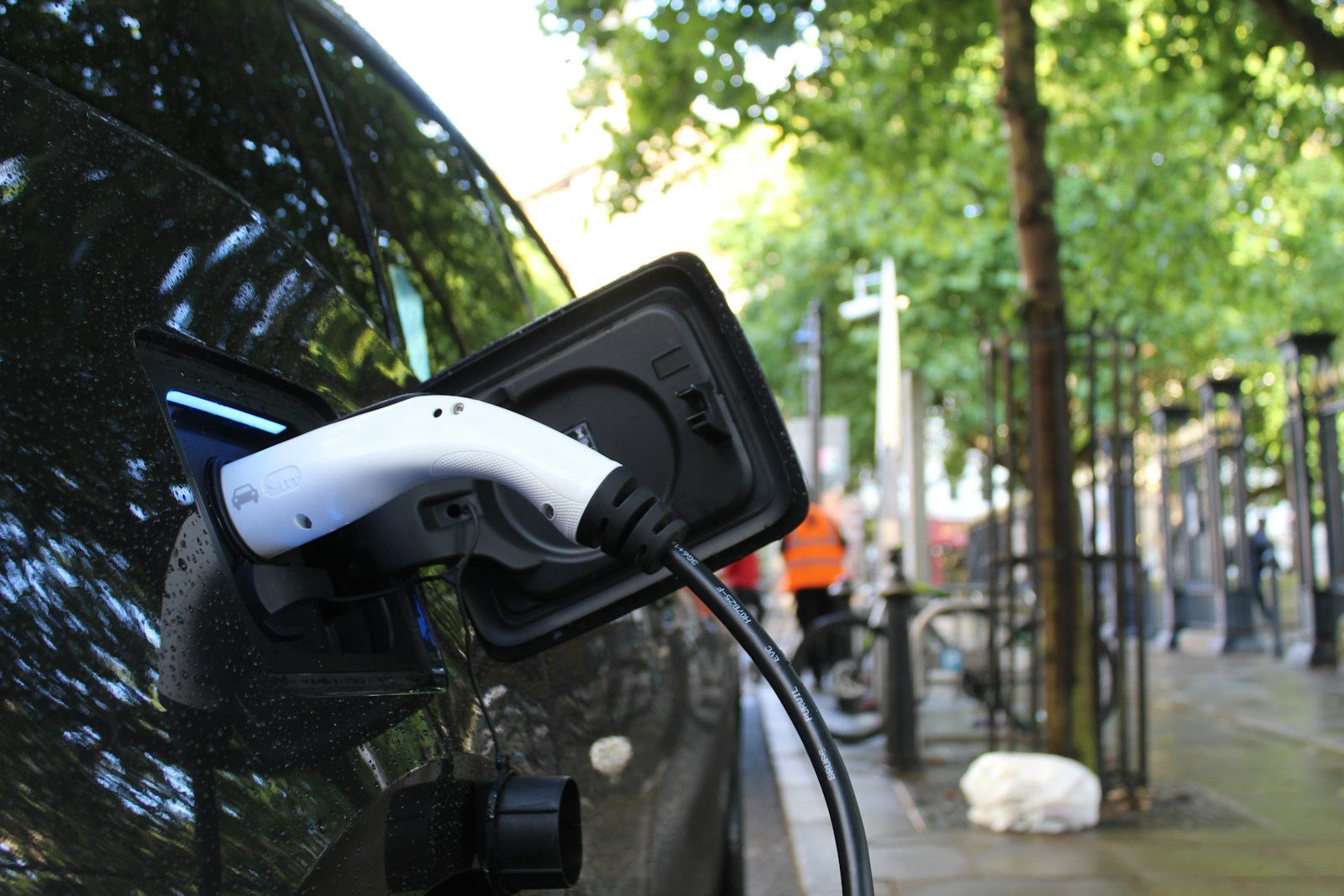
Driving towards a Greener Future: The Impact of Electric Cars on the Environment
As concerns about climate change and environmental sustainability continue to grow, the automotive industry is undergoing a significant shift towards electric vehicles (EVs) as a cleaner and more sustainable alternative to traditional gasoline-powered cars. Electric cars are becoming increasingly popular among consumers, and for good reason – they offer numerous environmental benefits that can help us reduce our carbon footprint and combat the effects of global warming.
The Rise of Electric Cars
Electric cars have been around for decades, but recent advancements in technology and a growing awareness of the need for more sustainable transportation options have fueled their popularity in recent years. In fact, sales of electric vehicles have been steadily increasing worldwide, with many countries and cities implementing policies to encourage their adoption. From Tesla’s sleek and high-performance electric cars to more affordable options from companies like Nissan and Chevrolet, there is now a wide range of electric vehicles available to suit different needs and budgets.
The Environmental Impact of Electric Cars
One of the main reasons why electric cars are considered a greener alternative to traditional gasoline-powered vehicles is their significantly lower carbon emissions. While gasoline cars emit harmful pollutants like carbon dioxide (CO2), nitrogen oxides (NOx), and particulate matter that contribute to air pollution and climate change, electric cars produce zero tailpipe emissions. This means that driving an electric car can help reduce greenhouse gas emissions and improve air quality, especially in urban areas where traffic congestion is a major problem.
In addition to their lower emissions, electric cars are also more energy-efficient than traditional gasoline-powered vehicles. Electric motors are much more efficient at converting energy into motion than internal combustion engines, which means that electric cars can travel further on a single charge and require less energy to operate. This not only helps reduce our dependence on fossil fuels but also saves money on fuel costs in the long run.
The Benefits of Electric Cars
Aside from their environmental benefits, electric cars offer a number of other advantages that make them an attractive option for consumers. For one, electric vehicles are typically quieter and smoother to drive than gasoline cars, thanks to their electric motors that produce less noise and vibration. This can lead to a more comfortable and enjoyable driving experience, especially on long trips or in congested city traffic.
Electric cars are also easier and cheaper to maintain than traditional gasoline-powered vehicles. With fewer moving parts and no need for oil changes or exhaust system repairs, electric cars require less maintenance and have lower operating costs over their lifetime. This can help offset the higher upfront cost of purchasing an electric vehicle and make them a more cost-effective choice in the long run.
Common Questions about Electric Cars
Despite their many benefits, some consumers still have questions and concerns about electric cars that may be holding them back from making the switch. Here are some common questions about electric cars and their answers:
1. How far can electric cars travel on a single charge?
The range of electric cars varies depending on the model and battery size, but most modern electric vehicles can travel between 100-300 miles on a single charge. This range is constantly improving as battery technology advances, with some electric cars now offering over 400 miles of range on a single charge.
2. How long does it take to charge an electric car?
Charging times for electric cars also vary depending on the charger type and battery size, but most electric vehicles can be fully charged overnight using a standard home charger. Fast chargers are also becoming more common, allowing drivers to top up their battery in as little as 30 minutes at public charging stations.
3. Are there enough charging stations for electric cars?
The availability of charging stations for electric cars is increasing rapidly, with many cities, businesses, and governments investing in charging infrastructure to support the growing number of electric vehicles on the road. There are now thousands of public charging stations across the country, and many electric car owners also choose to install home chargers for added convenience.
The Future of Electric Cars
As the automotive industry continues to evolve and adapt to the changing demands of consumers and the environment, the future of electric cars looks brighter than ever. With advancements in battery technology, charging infrastructure, and government incentives, electric vehicles are poised to become the dominant form of transportation in the coming years.
By driving towards a greener future with electric cars, we can help reduce our carbon footprint, improve air quality, and create a more sustainable world for future generations. Whether you’re a first-time electric car buyer or a seasoned EV enthusiast, now is the perfect time to make the switch to electric and join the growing movement towards a cleaner, greener future.
Conclusion
Electric cars have the potential to revolutionize the way we think about transportation and help us address some of the most pressing environmental challenges of our time. By choosing to drive an electric vehicle, you can reduce your carbon footprint, save money on fuel costs, and enjoy a more sustainable and enjoyable driving experience. With the right infrastructure and policies in place, electric cars have the power to transform our cities, our economies, and our planet for the better.