The Changing Climate: A Global Policy Revolution
In recent years, the issue of climate change has become a pressing concern for people all over the world. The effects of global warming are being felt in every corner of the globe, from extreme weather events to rising sea levels. As a result, there has been a global push for policy changes to address the issue and mitigate its impact. This article will explore the changing climate and the global policy revolution that is currently underway.
The Science Behind Climate Change
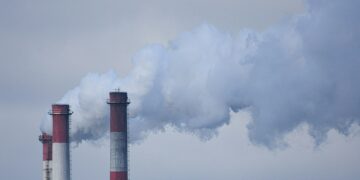
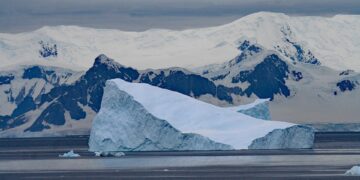
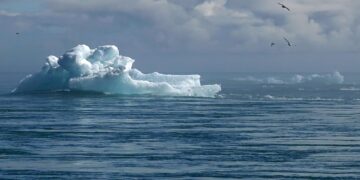
Climate change is primarily driven by human activities that release greenhouse gases into the atmosphere. These gases, such as carbon dioxide and methane, trap heat from the sun and cause the Earth’s temperature to rise. This phenomenon, known as global warming, has led to a range of environmental changes, including melting ice caps, more frequent and severe droughts, and an increase in extreme weather events.
The Global Impact of Climate Change
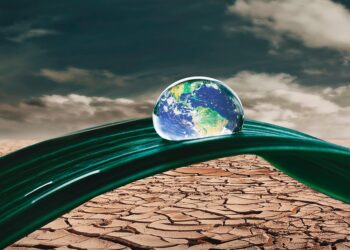
The effects of climate change are being felt around the world, with no country immune to its impact. In developing countries, the effects are particularly severe, with communities facing food shortages, water scarcity, and displacement due to rising sea levels. In developed countries, the effects are also significant, with increased flooding, heatwaves, and wildfires becoming more common.
The Need for Global Policy Action
Given the widespread impact of climate change, there is a growing recognition that global policy action is needed to address the issue. Countries around the world have come together to negotiate agreements and set targets for reducing greenhouse gas emissions and transitioning to renewable energy sources. These efforts are aimed at limiting global warming to below 2 degrees Celsius, the threshold beyond which the most catastrophic effects of climate change are likely to occur.
The Paris Agreement
One of the most significant global policy initiatives to address climate change is the Paris Agreement, which was adopted by 195 countries in 2015. The agreement sets out a framework for countries to work together to limit global warming and adapt to its effects. Each country is required to set its own emissions reduction targets and report on their progress towards meeting them. The ultimate goal of the agreement is to achieve a carbon-neutral world by the second half of this century.
The Role of Renewable Energy
One of the key strategies for reducing greenhouse gas emissions and combating climate change is the transition to renewable energy sources. Renewable energy, such as solar, wind, and hydroelectric power, generates electricity without producing greenhouse gases. As a result, it is seen as a crucial part of the global effort to reduce emissions and mitigate the impact of climate change.
The Importance of Adaptation
In addition to mitigation efforts, adaptation is also a crucial part of addressing the impacts of climate change. As the Earth’s temperature continues to rise, communities will need to adapt to changing weather patterns and sea levels. This may involve building sea walls to protect against flooding, developing drought-resistant crops, and implementing early warning systems for extreme weather events.
Challenges and Opportunities
While there is growing momentum for global policy action on climate change, there are also significant challenges that need to be overcome. These include political resistance, economic barriers, and the need for technological innovation. However, there are also opportunities for collaboration, innovation, and sustainable development that can help to address the issue and create a more resilient and sustainable future for all.
Conclusion
In conclusion, the changing climate is a global challenge that requires a global response. Through coordinated policy action, countries around the world can work together to reduce emissions, transition to renewable energy sources, and adapt to the impacts of climate change. By taking action now, we can help to create a more sustainable and resilient future for future generations.
Remember, the time to act is now. Let’s work together to make a difference and protect our planet for generations to come.