In today’s world, sustainability is no longer just a buzzword – it’s a necessity. With the increasing threat of climate change and environmental degradation, it’s more important than ever for individuals and businesses to embrace sustainable practices in their everyday lives. One of the key areas where we can make a significant impact is by reducing our use of plastic.
Plastic pollution is a major environmental issue that is wreaking havoc on our planet. From clogging up our oceans and waterways to harming wildlife and leaching harmful chemicals into the environment, the impact of plastic waste is far-reaching and devastating. But the good news is that there are plenty of plastic-free alternatives available that can help us reduce our reliance on this harmful material and move towards a greener future.
The Problem with Plastic
Plastic is everywhere – from the packaging on our food to the bags we use to carry our groceries. It’s convenient, cheap, and versatile, which is why it has become such a ubiquitous material in our modern world. However, the very qualities that make plastic so popular are also what make it so harmful to the environment.
Plastic is made from fossil fuels, which means that its production contributes to greenhouse gas emissions and climate change. And once it’s made, plastic takes hundreds of years to break down, meaning that every piece of plastic ever made is still out there somewhere in the environment, causing harm. In fact, it’s estimated that by 2050, there will be more plastic in the ocean than fish.
Plastic-Free Alternatives
But it’s not all doom and gloom. There are plenty of plastic-free alternatives available that can help us reduce our plastic consumption and make a positive impact on the environment. From reusable water bottles and shopping bags to biodegradable packaging and compostable cutlery, the options are endless.
One of the easiest ways to reduce your plastic footprint is to invest in a reusable water bottle. Single-use plastic water bottles are one of the biggest sources of plastic waste, with millions of them ending up in landfills and oceans every year. By switching to a reusable water bottle, you can help reduce the demand for plastic bottles and keep them out of the environment.
Another simple swap you can make is to switch from plastic bags to reusable shopping bags. Many cities and countries have already implemented bans on single-use plastic bags, but even if your area hasn’t, making the switch to reusable bags can have a big impact. Keep a few reusable bags in your car or purse so you always have them on hand when you need to do some shopping.
Sustainable Living Tips
In addition to using plastic-free alternatives, there are plenty of other ways you can embrace sustainability in your everyday life. Here are a few tips to help you live a greener lifestyle:
1. Reduce, Reuse, Recycle: The three Rs of sustainability are still as important as ever. Reduce your consumption of single-use items, reuse items whenever possible, and recycle as much as you can.
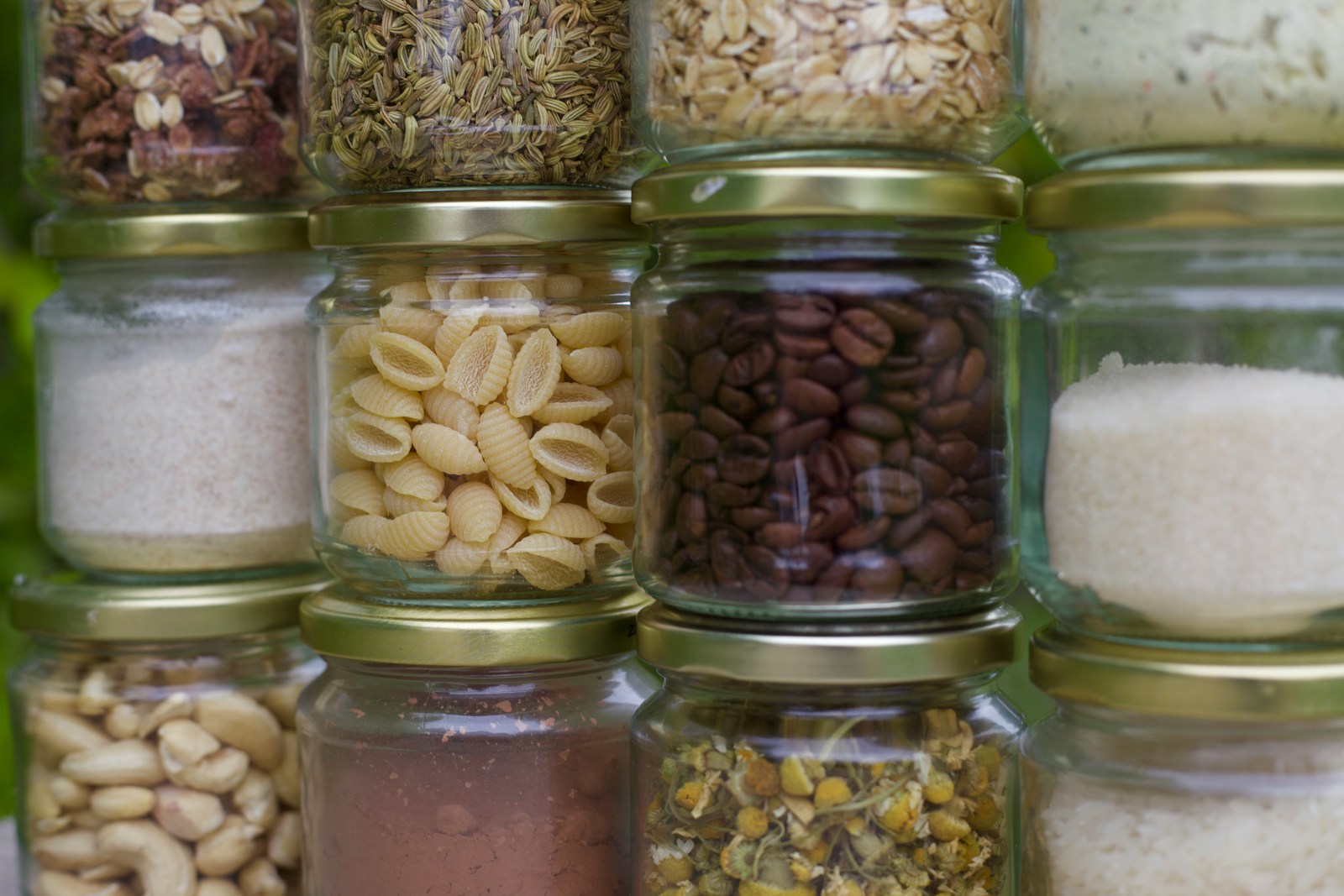
2. Buy in Bulk: Buying in bulk can help reduce the amount of packaging waste you generate. Look for stores that offer bulk options for items like grains, nuts, and cleaning supplies.
3. Compost: Composting is a great way to reduce food waste and create nutrient-rich soil for your garden. If you don’t have a backyard, look for composting programs in your area.
4. Support Sustainable Brands: When shopping, look for brands that prioritize sustainability and use environmentally-friendly materials. From clothing to household goods, there are plenty of sustainable options out there.
Common Questions
1. Are plastic-free alternatives more expensive?
While some plastic-free alternatives may have a higher upfront cost, in the long run, they can actually save you money. Reusable items like water bottles and shopping bags can be used over and over again, eliminating the need to constantly buy new plastic items.
2. Are plastic-free alternatives as durable as plastic?
Many plastic-free alternatives are just as durable as their plastic counterparts, if not more so. For example, stainless steel water bottles are much more durable than plastic ones and can last for years with proper care.
3. Can I still recycle plastic items?
While it’s important to reduce your use of plastic, recycling can still play a role in reducing plastic waste. Make sure to properly clean and sort your recyclables to ensure they can be processed and turned into new materials.
Conclusion
Embracing sustainability and reducing our use of plastic is essential for creating a greener future for generations to come. By choosing plastic-free alternatives, supporting sustainable brands, and making simple changes to our everyday habits, we can all make a positive impact on the environment. So let’s all do our part to reduce our plastic footprint and work towards a more sustainable world.