In recent years, the world has witnessed a growing awareness of the detrimental impact of plastic pollution on our planet. From clogging our oceans and waterways to harming wildlife and ecosystems, the consequences of our overreliance on plastic have become impossible to ignore. As a result, individuals, businesses, and governments are increasingly turning towards plastic-free alternatives to create a more sustainable future.
The Problem with Plastic
Plastic is a versatile and convenient material that has become an integral part of our daily lives. However, its durability and low cost have also led to widespread overuse and improper disposal, resulting in a global plastic pollution crisis. According to the United Nations Environment Program, an estimated 8 million tons of plastic waste enter the oceans each year, posing a significant threat to marine life and ecosystems.
Embracing a Greener Future
To combat the growing plastic pollution problem, it is essential for individuals and businesses to embrace greener alternatives that reduce the reliance on single-use plastics. By making conscious choices and adopting sustainable practices, we can create a more environmentally friendly future for generations to come.
Plastic-Free Alternatives
There are a variety of plastic-free alternatives available that can help individuals and businesses reduce their plastic footprint. From reusable shopping bags and water bottles to biodegradable packaging and compostable utensils, there are numerous options to choose from. By incorporating these alternatives into our daily routines, we can make a positive impact on the environment and contribute to a more sustainable tomorrow.
Reusable Shopping Bags
One of the simplest ways to reduce plastic waste is by using reusable shopping bags instead of single-use plastic bags. Many retailers now offer reusable bags made from eco-friendly materials such as cotton, jute, or recycled plastic. By bringing your own reusable bags when shopping, you can help reduce the demand for plastic bags and minimize waste.
Stainless Steel Water Bottles
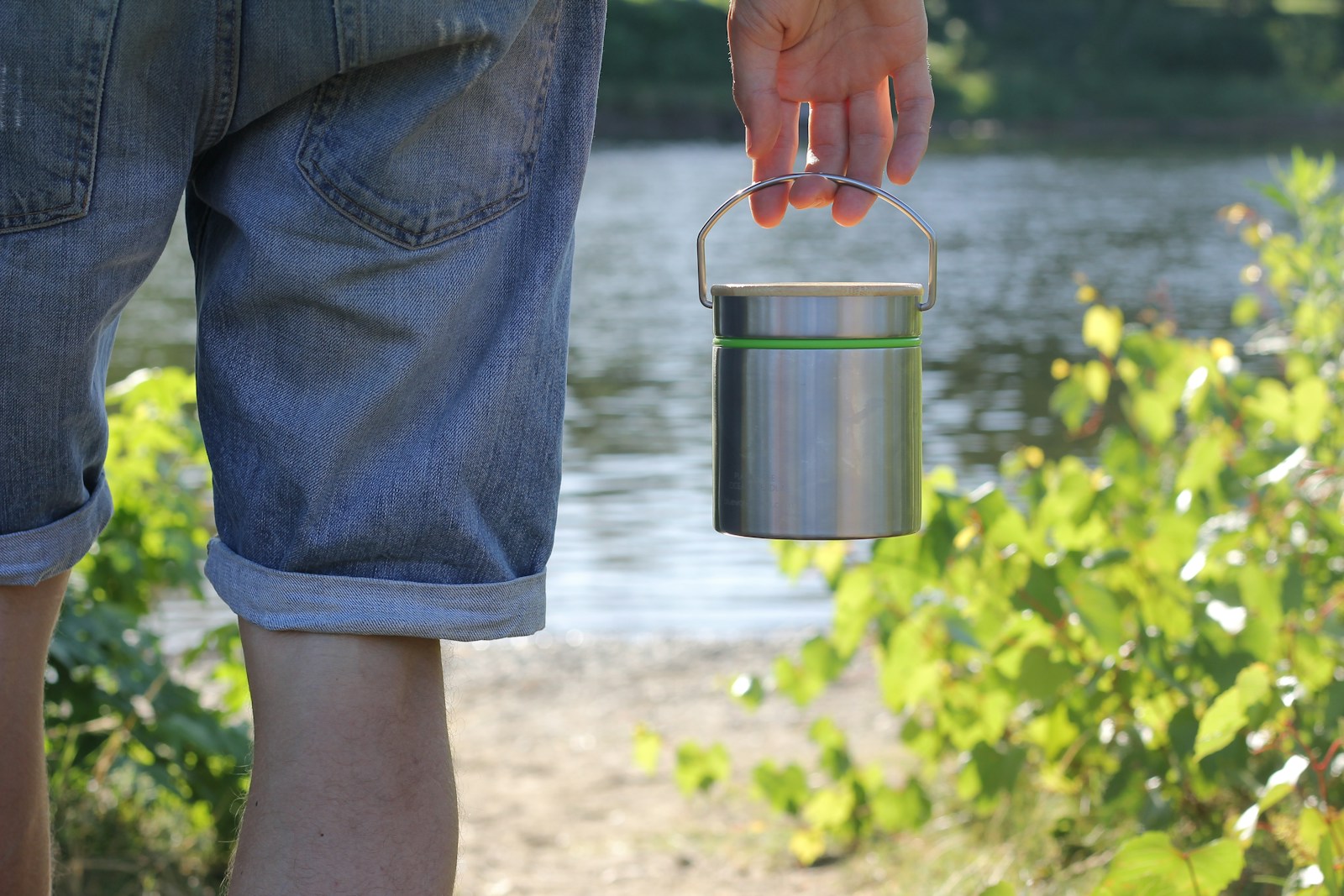
Another common source of plastic waste is disposable water bottles. By switching to a reusable stainless steel water bottle, you can eliminate the need for single-use plastic bottles and reduce your environmental impact. Stainless steel bottles are durable, easy to clean, and can keep your beverages cold or hot for extended periods, making them a practical and eco-friendly choice.
Biodegradable Packaging
For businesses looking to reduce their plastic use, biodegradable packaging offers a sustainable alternative to traditional plastic packaging. Biodegradable materials such as cornstarch-based plastics or paper products break down naturally over time, reducing the environmental impact of packaging waste. By adopting biodegradable packaging options, businesses can demonstrate their commitment to sustainability and appeal to eco-conscious consumers.
Compostable Utensils
Disposable plastic utensils are a common source of plastic pollution, especially in food service industries. Compostable utensils made from materials such as bamboo, sugarcane, or cornstarch offer a plastic-free alternative that can be easily composted after use. By switching to compostable utensils, businesses can reduce their plastic waste and promote a more sustainable dining experience for their customers.
Benefits of Going Plastic-Free
Embracing plastic-free alternatives offers a range of benefits for both individuals and businesses. By reducing plastic waste, we can protect marine life, conserve natural resources, and mitigate the impacts of climate change. Additionally, adopting sustainable practices can help businesses attract environmentally conscious consumers, reduce operating costs, and enhance their corporate social responsibility efforts.
Common Questions About Plastic-Free Alternatives
Are plastic-free alternatives more expensive than traditional plastic products?
While some plastic-free alternatives may have a higher upfront cost, the long-term savings and environmental benefits can outweigh the initial investment. By choosing reusable and sustainable products, individuals and businesses can reduce their overall expenses and minimize their environmental impact.
How can I encourage others to embrace plastic-free alternatives?
Leading by example and sharing information about the benefits of plastic-free alternatives can inspire others to make sustainable choices. By educating friends, family, and colleagues about the environmental consequences of plastic pollution and the availability of eco-friendly alternatives, you can help create a more sustainable future together.
What are some innovative plastic-free alternatives on the market?
Innovations in sustainable materials and design have led to a wide range of creative plastic-free alternatives. From plant-based bioplastics and edible packaging to upcycled products made from recycled materials, there are numerous innovative solutions available to help reduce plastic waste and promote a circular economy.
Conclusion
Embracing a greener future requires a collective effort to reduce plastic waste and embrace sustainable alternatives. By making conscious choices and adopting eco-friendly practices, we can create a more sustainable tomorrow for ourselves and future generations. From reusable shopping bags and stainless steel water bottles to biodegradable packaging and compostable utensils, there are countless ways to reduce our plastic footprint and contribute to a healthier planet. Together, we can work towards a plastic-free future that prioritizes environmental conservation, resource efficiency, and a more sustainable way of life.