The Green Revolution: Eco-Friendly Innovations Shaping 2025 and Beyond
In recent years, the world has seen a significant shift towards sustainable and eco-friendly practices to combat the growing threats of climate change and environmental degradation. This movement, often referred to as the Green Revolution, is paving the way for a more sustainable future by promoting innovative solutions that prioritize the health of our planet. As we look towards the future, it is essential to explore the eco-friendly innovations that are shaping 2025 and beyond.
Renewable Energy Sources
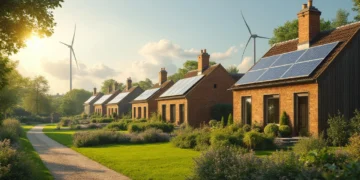
One of the key pillars of the Green Revolution is the transition towards renewable energy sources. Solar, wind, hydroelectric, and geothermal energy are becoming increasingly popular as alternatives to fossil fuels. These sources of energy are not only more sustainable but also significantly reduce greenhouse gas emissions, helping to combat climate change. In 2025 and beyond, we can expect to see a continued expansion of renewable energy infrastructure as countries around the world strive to meet their climate goals.
Solar Power
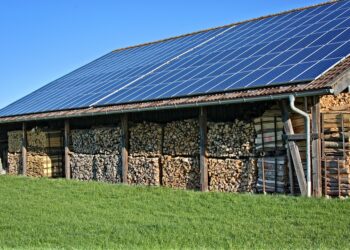
Solar power is one of the fastest-growing renewable energy sources globally. With advancements in solar panel technology and decreasing costs, solar energy is becoming more accessible to both residential and commercial users. In 2025, we can expect to see a widespread adoption of solar power as governments and businesses invest in solar infrastructure to reduce their carbon footprint.
Wind Energy
Wind energy is another key player in the renewable energy sector. Wind turbines harness the power of the wind to generate electricity, providing a clean and sustainable energy source. In 2025 and beyond, we can expect to see a significant increase in wind energy projects as countries work towards phasing out fossil fuels and transitioning to renewable energy sources.
Sustainable Agriculture
Agriculture is a significant contributor to greenhouse gas emissions and environmental degradation. Sustainable agriculture practices aim to minimize the environmental impact of farming while ensuring food security for future generations. In 2025 and beyond, we can expect to see a shift towards more sustainable farming practices, such as organic farming, regenerative agriculture, and precision farming.
Organic Farming
Organic farming eliminates the use of synthetic pesticides and fertilizers, promoting natural soil health and biodiversity. In 2025, we can expect to see a rise in organic farming practices as consumers become more conscious of the environmental and health benefits of organic produce.
Regenerative Agriculture
Regenerative agriculture goes beyond sustainable farming practices by focusing on restoring and improving the health of the soil. By implementing techniques such as cover cropping, crop rotation, and minimal tillage, regenerative agriculture aims to sequester carbon in the soil and mitigate climate change. In 2025 and beyond, we can expect to see a widespread adoption of regenerative agriculture practices as farmers recognize the long-term benefits of soil health.
Waste Reduction and Recycling
The production and disposal of waste have significant environmental impacts, contributing to pollution, habitat destruction, and climate change. Waste reduction and recycling initiatives play a crucial role in the Green Revolution by minimizing the amount of waste sent to landfills and promoting a circular economy. In 2025 and beyond, we can expect to see a greater emphasis on waste reduction and recycling as governments and businesses work towards a more sustainable future.
Single-Use Plastics Ban
Single-use plastics, such as plastic bags, straws, and utensils, are a major contributor to plastic pollution in our oceans and ecosystems. In response, many countries are implementing bans on single-use plastics to reduce plastic waste and promote reusable alternatives. In 2025, we can expect to see a global shift towards sustainable packaging solutions as businesses and consumers transition away from single-use plastics.
Circular Economy
The circular economy model aims to minimize waste and maximize resource efficiency by keeping products and materials in use for as long as possible. By promoting practices such as repair, reuse, and recycling, the circular economy reduces the environmental impact of production and consumption. In 2025 and beyond, we can expect to see a greater adoption of circular economy principles as businesses embrace sustainable business models.
Conclusion
As we look towards the future, it is clear that the Green Revolution is shaping 2025 and beyond with eco-friendly innovations that prioritize the health of our planet. From renewable energy sources to sustainable agriculture practices and waste reduction initiatives, the Green Revolution is paving the way for a more sustainable future. By embracing these innovations and working towards a greener world, we can create a healthier and more sustainable planet for future generations. Let us all do our part to support the Green Revolution and ensure a brighter future for all.