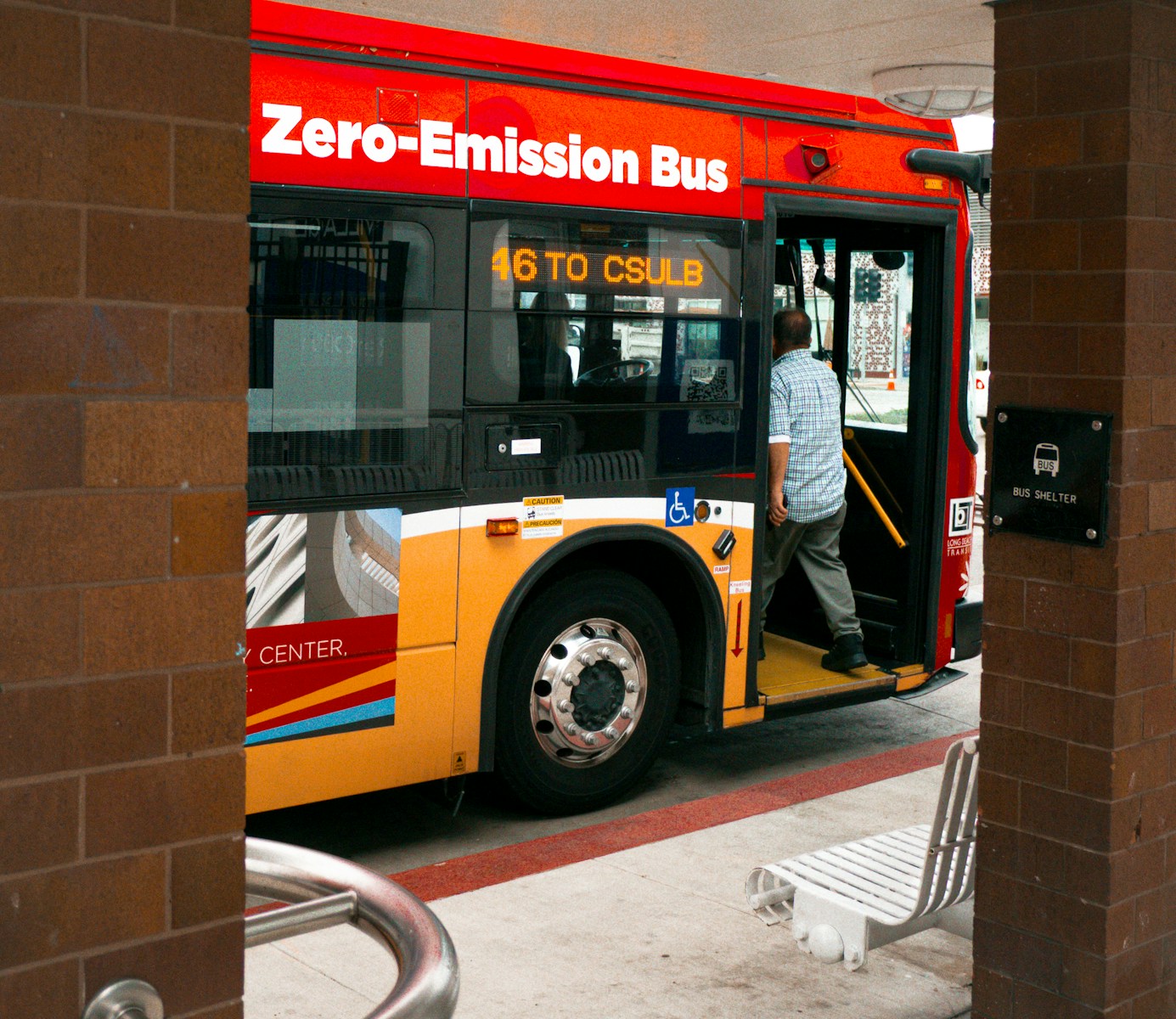
The Road to Zero Emissions: Transforming Transportation for a Greener Future
In recent years, the push for sustainability and environmental conservation has gained significant momentum. One of the key areas of focus has been transportation, which plays a major role in carbon emissions and air pollution. In response to this pressing issue, many countries and companies are working towards achieving zero emissions in the transportation sector. This article explores the challenges and opportunities in transforming transportation for a greener future.
The Impact of Transportation on the Environment
Transportation is a major contributor to greenhouse gas emissions, with the burning of fossil fuels in vehicles releasing carbon dioxide and other pollutants into the atmosphere. This has serious implications for climate change, air quality, and public health. In addition, the reliance on oil and gas for transportation makes countries vulnerable to price fluctuations and geopolitical instability.
The Path to Zero Emissions
Achieving zero emissions in transportation requires a multi-faceted approach that addresses the entire lifecycle of vehicles, from manufacturing to disposal. This includes transitioning to electric vehicles, improving public transportation systems, promoting active transportation modes such as walking and cycling, and investing in sustainable infrastructure.
Electric Vehicles
Electric vehicles (EVs) are a key component of the transition to zero emissions transportation. They produce no tailpipe emissions and are more energy-efficient than traditional internal combustion engine vehicles. The adoption of EVs has been steadily increasing in recent years, driven by advancements in battery technology, government incentives, and growing consumer awareness.
Public Transportation
Public transportation plays a crucial role in reducing emissions and congestion in urban areas. By providing a convenient and affordable alternative to driving, public transit can help decrease the number of cars on the road and promote sustainable mobility. Investments in public transportation infrastructure, such as bus rapid transit systems and light rail networks, are essential for expanding access to clean and efficient transportation options.
Active Transportation
Walking and cycling are zero emissions modes of transportation that offer numerous benefits for both individuals and the environment. By promoting active transportation, cities can reduce traffic congestion, improve air quality, and enhance public health. Infrastructure improvements, such as bike lanes, pedestrian pathways, and safe crossing points, are essential for creating a more walkable and bike-friendly urban environment.
Challenges and Opportunities
Despite the progress in transitioning to zero emissions transportation, there are still significant challenges that need to be addressed. These include the high cost of electric vehicles, limited charging infrastructure, and the need for policy support and incentives to accelerate the adoption of clean transportation solutions. However, there are also opportunities for innovation and collaboration in developing sustainable transportation systems that benefit both people and the planet.
Cost
The cost of electric vehicles remains a barrier for many consumers, with upfront prices often higher than traditional gasoline-powered cars. However, as battery technology continues to improve and economies of scale drive down production costs, the price gap between EVs and internal combustion engine vehicles is expected to narrow. In addition, government incentives, such as tax credits and rebates, can help make EVs more affordable and accessible to a wider range of consumers.
Charging Infrastructure
One of the key challenges in transitioning to electric vehicles is the lack of charging infrastructure. Range anxiety, or the fear of running out of battery power, is a common concern among EV owners and potential buyers. To address this issue, governments, utilities, and private companies are working together to expand the network of charging stations and improve the accessibility and convenience of charging services. Fast-charging technology, which allows EVs to recharge quickly at designated stations, is also being developed to support long-distance travel and reduce charging times.
Policy Support
Policy support is essential for driving the transition to zero emissions transportation. Governments can play a key role in setting ambitious emissions reduction targets, implementing regulations and standards for clean vehicles, and providing financial incentives for sustainable transportation solutions. By creating a supportive policy environment, countries can encourage investment in clean technology and accelerate the transition to a greener and more sustainable transportation system.
The Future of Transportation
The road to zero emissions transportation is paved with challenges and opportunities, but the benefits of a greener and more sustainable future are clear. By embracing electric vehicles, improving public transportation systems, and promoting active transportation modes, we can reduce emissions, improve air quality, and enhance the quality of life for all. With continued innovation, collaboration, and policy support, we can transform transportation for a greener future and create a more sustainable world for generations to come.