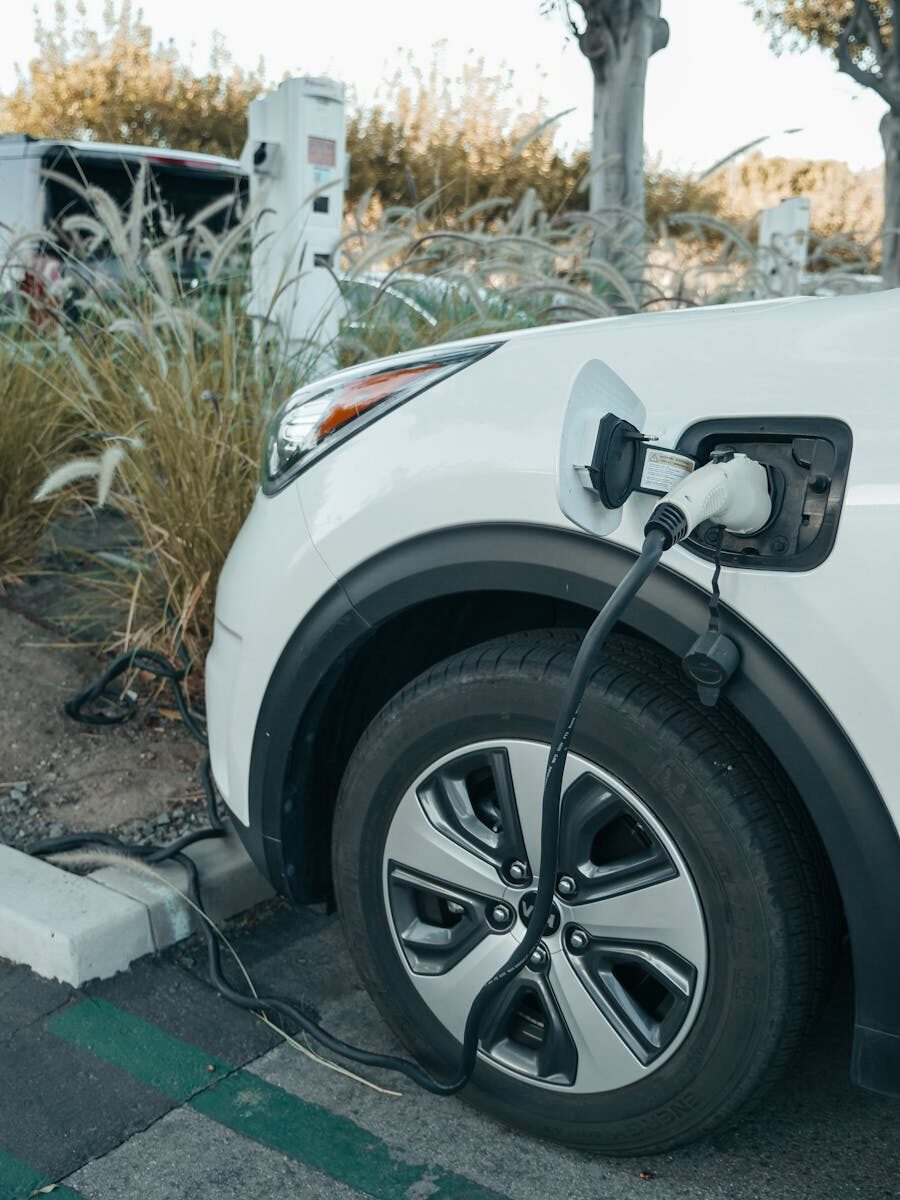
Driving Towards a Greener Future: How Electric Cars are Saving the Environment
In recent years, there has been a growing concern about the impact of traditional gasoline-powered vehicles on the environment. With rising levels of pollution and global warming, the need for sustainable transportation solutions has become more urgent than ever. One of the most promising technologies in this regard is the electric car.
The Benefits of Electric Cars
Electric cars are vehicles that are powered by electricity instead of gasoline or diesel. They are much more environmentally friendly than traditional vehicles for several reasons. First and foremost, electric cars produce zero tailpipe emissions, which means they do not release harmful pollutants such as carbon monoxide, nitrogen oxides, and particulate matter into the atmosphere. This helps to improve air quality and reduce the negative health effects associated with vehicle emissions.
Additionally, electric cars are more energy-efficient than traditional vehicles, as they convert a higher percentage of the energy stored in their batteries into motion. This means that they require less energy to operate, which can help to reduce overall energy consumption and dependence on fossil fuels.
Furthermore, electric cars are quieter and produce less noise pollution than traditional vehicles, which can help to create a more peaceful and pleasant urban environment.
The Environmental Impact of Electric Cars
One of the main reasons why electric cars are considered a more environmentally friendly option than traditional vehicles is their lower carbon footprint. While electric cars do produce some emissions during the manufacturing process and from the generation of electricity used to charge their batteries, they produce significantly less greenhouse gas emissions over their lifetime compared to gasoline-powered vehicles.
According to a study by the Union of Concerned Scientists, electric cars produce about half as much carbon dioxide emissions as gasoline-powered vehicles, even when accounting for the emissions generated from electricity production. This is because electric cars are more energy-efficient and do not rely on fossil fuels for their operation.
Furthermore, as the grid continues to decarbonize and shift towards renewable energy sources such as wind and solar power, the environmental benefits of electric cars will only continue to improve.
The Role of Electric Cars in Combating Climate Change
Climate change is one of the most pressing environmental issues facing the world today, and transportation is a major contributor to greenhouse gas emissions. According to the Environmental Protection Agency, transportation accounts for about 28% of total greenhouse gas emissions in the United States, with the majority coming from cars and trucks.
By transitioning to electric cars, we can significantly reduce the carbon footprint of the transportation sector and help to mitigate the impacts of climate change. Electric cars can play a crucial role in reducing emissions from the transportation sector and transitioning to a more sustainable and low-carbon future.
Common Questions About Electric Cars
Are electric cars more expensive than traditional vehicles?
While electric cars can have a higher upfront cost than traditional vehicles, they are often more cost-effective in the long run due to lower maintenance and fuel costs. Additionally, there are government incentives and tax credits available to help offset the initial cost of purchasing an electric car.
How long does it take to charge an electric car?
The time it takes to charge an electric car depends on the type of charger used and the size of the car’s battery. A level 1 charger, which is typically used for home charging, can take several hours to fully charge an electric car. However, a level 3 charger, also known as a DC fast charger, can charge an electric car to 80% capacity in as little as 30 minutes.
What is the range of an electric car?
The range of an electric car refers to the distance it can travel on a single charge. The range of electric cars varies depending on the make and model, but most modern electric cars have a range of at least 200 miles on a single charge. Some electric cars, such as the Tesla Model S, have a range of over 300 miles on a single charge.
Conclusion
Electric cars are a promising technology that can help to reduce emissions, improve air quality, and combat climate change. By transitioning to electric cars, we can create a more sustainable and environmentally friendly transportation system that benefits both people and the planet. With continued advancements in battery technology and the expansion of charging infrastructure, electric cars are poised to play an increasingly important role in driving towards a greener future.
For more information on electric cars and sustainable transportation solutions, please visit our website.