In today’s world, the push for renewable energy sources has never been more important. With climate change looming and the need to reduce our carbon footprint becoming increasingly urgent, finding sustainable ways to power our future is crucial. Thankfully, there are a variety of renewable energy sources that are not only better for the environment but also becoming more cost-effective and efficient. In this article, we will explore the top sources of renewable energy and how they can help power the future.
Solar Energy
Solar energy is perhaps one of the most well-known and widely used renewable energy sources. By harnessing the power of the sun, solar panels are able to convert sunlight into electricity. Solar energy is clean, abundant, and renewable, making it an attractive option for powering homes, businesses, and even entire cities. In recent years, advancements in solar technology have made it more affordable and efficient, leading to a surge in solar installations around the world.
One of the main advantages of solar energy is its scalability. From small rooftop solar panels on individual homes to large solar farms that can power entire communities, solar energy can be tailored to meet the needs of any size project. Additionally, solar energy systems have a relatively low maintenance cost once installed, making them a cost-effective long-term investment.
Wind Energy
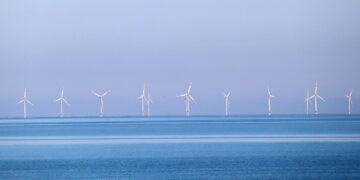
Wind energy is another popular renewable energy source that has gained traction in recent years. Wind turbines harness the power of the wind to generate electricity, with larger turbines capable of producing significant amounts of energy. Wind energy is clean, abundant, and renewable, making it an attractive option for countries looking to reduce their reliance on fossil fuels.
One of the main advantages of wind energy is its ability to generate electricity 24/7, as long as there is sufficient wind to turn the turbines. Wind energy is also highly scalable, with wind farms ranging from small installations in rural areas to large offshore wind farms that can power entire cities. Additionally, wind energy has a relatively low environmental impact compared to fossil fuels, making it a more sustainable option for powering the future.
Hydropower
Hydropower, or energy derived from flowing water, is another major source of renewable energy. Hydropower plants use the energy of moving water to generate electricity, with dams and reservoirs often used to control the flow of water and increase power output. Hydropower is a reliable and established source of renewable energy, with some countries relying heavily on hydropower for their electricity needs.
One of the main advantages of hydropower is its ability to produce large amounts of electricity consistently. Unlike solar and wind energy, which are dependent on weather conditions, hydropower can generate electricity around the clock, making it a reliable source of baseload power. Additionally, hydropower plants can be used for purposes other than electricity generation, such as flood control and irrigation, making them a versatile option for powering the future.
Geothermal Energy
Geothermal energy is a lesser-known but highly promising source of renewable energy. By tapping into the heat of the Earth’s core, geothermal power plants can generate electricity through the use of steam or hot water. Geothermal energy is clean, reliable, and renewable, making it an attractive option for countries looking to reduce their carbon emissions.
One of the main advantages of geothermal energy is its reliability. Unlike solar and wind energy, which are dependent on weather conditions, geothermal energy can generate electricity 24/7, making it a reliable source of baseload power. Additionally, geothermal power plants have a small footprint and can be built in a variety of locations, making them a versatile option for powering the future.
Biomass Energy
Biomass energy is a renewable energy source that is derived from organic materials, such as wood, crop residues, and animal waste. Biomass can be burned directly to produce heat or converted into biofuels, such as ethanol and biodiesel, to generate electricity. Biomass energy is abundant, carbon-neutral, and renewable, making it a sustainable option for powering the future.
One of the main advantages of biomass energy is its versatility. Biomass can be sourced from a variety of organic materials, making it a flexible option for generating electricity. Additionally, biomass energy can be used in existing coal-fired power plants with minimal modifications, making it a cost-effective option for countries looking to transition to renewable energy sources.
Conclusion
In conclusion, the future of energy is renewable. With advancements in technology and a growing awareness of the need to reduce our carbon footprint, renewable energy sources are becoming increasingly important. Solar, wind, hydropower, geothermal, and biomass energy are just a few of the top sources of renewable energy that can help power the future. By harnessing the power of these sustainable resources, we can create a cleaner, greener, and more sustainable world for future generations.