In today’s world, the need for sustainable energy sources has never been greater. With climate change threatening our planet and traditional fossil fuels running out, it’s time to turn to renewable energy as a solution. One of the most accessible and effective ways to power your home sustainably is through renewable energy sources such as solar, wind, and hydro power. By harnessing the power of nature, you can reduce your carbon footprint, lower your energy bills, and contribute to a brighter future for generations to come.
### The Benefits of Renewable Energy
Renewable energy offers a range of benefits for homeowners looking to make the switch to a more sustainable energy source. One of the most significant advantages is the reduction in greenhouse gas emissions. Unlike traditional fossil fuels, renewable energy sources produce little to no carbon emissions, helping to combat climate change and improve air quality. By powering your home with renewable energy, you can do your part to protect the environment and reduce your carbon footprint.
Another key benefit of renewable energy is its cost-effectiveness. While the initial investment in renewable energy systems may be higher than traditional energy sources, the long-term savings can be substantial. Solar panels, for example, can significantly reduce your electricity bills over time, allowing you to save money while also helping the planet. In addition, many governments offer incentives and rebates for homeowners who install renewable energy systems, further reducing the cost of going green.
### Types of Renewable Energy Sources
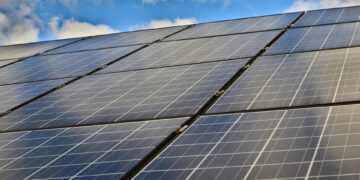
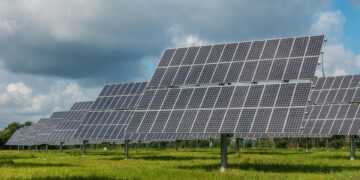
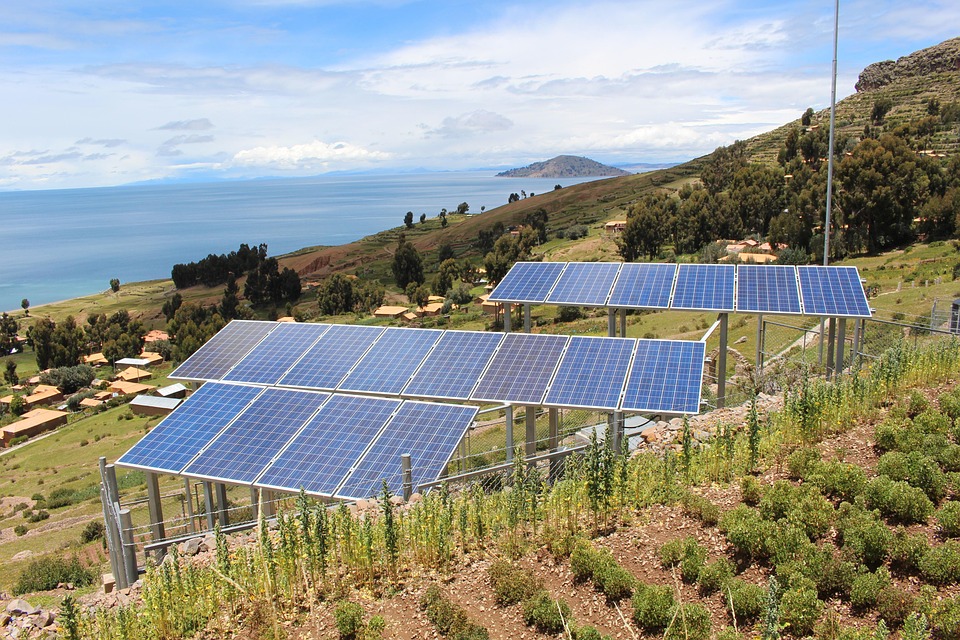
There are several renewable energy sources that homeowners can utilize to power their homes sustainably. One of the most popular options is solar power, which involves installing solar panels on your roof to capture sunlight and convert it into electricity. Solar power is a clean and renewable energy source that can significantly reduce your reliance on the grid and lower your energy bills.
Wind power is another renewable energy source that homeowners can use to power their homes. Wind turbines can be installed on your property to harness the power of the wind and generate electricity. While wind power may not be as feasible for all homeowners, it can be a valuable addition to a renewable energy portfolio, especially in areas with consistent wind patterns.
Hydro power is another renewable energy source that homeowners can consider. By utilizing the power of flowing water, hydro power systems can generate electricity efficiently and sustainably. While hydro power may not be as accessible for all homeowners, it can be a viable option for those living near rivers or streams.
### The Process of Powering Your Home with Renewable Energy
The process of powering your home with renewable energy begins with an assessment of your energy needs and goals. Consider how much energy your home consumes on a daily basis and what renewable energy sources are available in your area. Once you have determined your energy needs and goals, you can begin researching the best renewable energy systems for your home.
Next, you will need to select a reputable renewable energy provider to install and maintain your chosen system. Look for providers with experience in installing renewable energy systems and a track record of customer satisfaction. Once you have selected a provider, they will work with you to design and install a renewable energy system that meets your specific needs and goals.
After your renewable energy system is installed, you can begin enjoying the benefits of clean, sustainable energy. Monitor your energy production and consumption to ensure that your system is operating efficiently and effectively. Over time, you will begin to see the savings on your energy bills and the positive impact of your renewable energy system on the environment.
### Common Questions About Renewable Energy
As more homeowners consider powering their homes with renewable energy, there are several common questions that often arise. Here are some answers to frequently asked questions about renewable energy:
#### 1. Is renewable energy reliable?
Renewable energy sources such as solar and wind power can be just as reliable as traditional energy sources. With proper planning and maintenance, renewable energy systems can provide a consistent and reliable source of electricity for your home.
#### 2. Will I still need to be connected to the grid?
While renewable energy systems can reduce your reliance on the grid, most homeowners will still need to be connected to the grid for times when their renewable energy system is not producing enough electricity. However, with the right system in place, you can significantly reduce your dependence on the grid and lower your energy bills.
#### 3. How much does it cost to install a renewable energy system?
The cost of installing a renewable energy system can vary depending on the size and type of system you choose. While the upfront costs may be higher than traditional energy sources, the long-term savings and benefits of renewable energy can outweigh the initial investment.
#### 4. Are there incentives available for installing renewable energy systems?
Many governments offer incentives and rebates for homeowners who install renewable energy systems. These incentives can help offset the cost of going green and make renewable energy more accessible for homeowners.
### Conclusion
Powering your home with renewable energy is a sustainable solution for a brighter future. By harnessing the power of nature, you can reduce your carbon footprint, lower your energy bills, and contribute to a cleaner and healthier planet. With the right renewable energy system in place, you can enjoy the benefits of clean, sustainable energy while also saving money and protecting the environment. Make the switch to renewable energy today and take a step towards a brighter future for generations to come.