Plastic Pollution: The Silent Threat to Our Planet’s Future
In recent years, plastic pollution has become a major environmental issue that poses a significant threat to the future of our planet. The proliferation of plastic waste in our oceans, rivers, and landfills has reached alarming levels, impacting not only the environment but also human health and wildlife. In this article, we will explore the causes and consequences of plastic pollution, as well as discuss potential solutions to this pressing problem.
Understanding Plastic Pollution
Plastic pollution refers to the accumulation of plastic waste in the environment, particularly in bodies of water such as oceans, rivers, and lakes. The main culprits behind this environmental crisis are single-use plastics, such as plastic bags, bottles, and packaging, which are used once and then discarded. These items are non-biodegradable, meaning they do not break down naturally and can persist in the environment for hundreds of years.
The Impact of Plastic Pollution
The widespread presence of plastic pollution has devastating consequences for our planet. Marine animals often mistake plastic debris for food, leading to ingestion and entanglement. This can result in serious injuries and even death for these creatures. Additionally, plastic waste poses a threat to human health, as toxic chemicals from plastics can leach into the environment and contaminate our food and water sources.
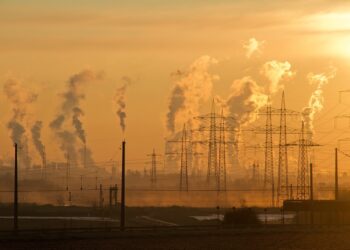
Furthermore, plastic pollution contributes to climate change by releasing greenhouse gases during production and disposal. The manufacturing of plastics requires the extraction of fossil fuels, such as oil and gas, which contributes to carbon emissions and depletes natural resources. Additionally, the incineration of plastic waste releases toxic fumes into the atmosphere, further exacerbating air pollution.
Causes of Plastic Pollution
There are several factors contributing to the growing problem of plastic pollution. One of the main reasons is the widespread use of single-use plastics in our daily lives. These items are cheap, convenient, and lightweight, making them a popular choice for packaging and consumer goods. However, their disposable nature means that they are often discarded after a single use, leading to a build-up of plastic waste in the environment.
Another contributing factor is poor waste management practices, particularly in developing countries where recycling infrastructure is lacking. In many parts of the world, plastic waste is not properly collected or disposed of, leading to littering and illegal dumping. This results in plastic debris entering rivers and oceans, where it can harm marine life and ecosystems.
Solutions to Plastic Pollution
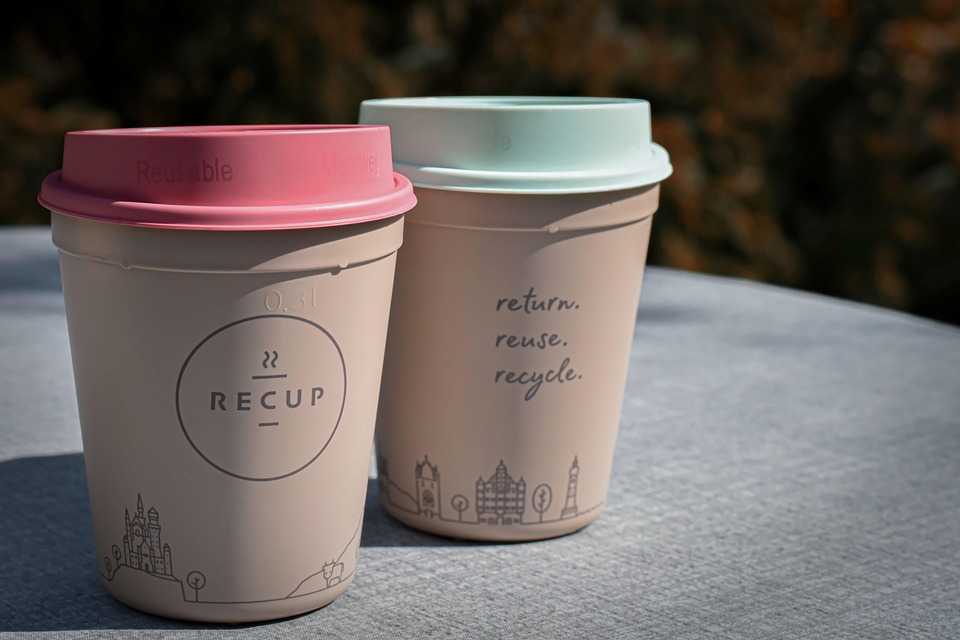
Addressing the issue of plastic pollution requires a multi-faceted approach that involves individuals, businesses, and governments working together to reduce plastic waste and promote sustainable alternatives. One of the most effective ways to combat plastic pollution is to reduce our reliance on single-use plastics. This can be achieved by using reusable bags, bottles, and containers, as well as choosing products with minimal packaging.
Recycling is another important strategy for reducing plastic pollution. By recycling plastic waste, we can prevent it from ending up in landfills or the ocean. However, it is important to note that not all plastics are recyclable, and contamination can render recyclable materials unusable. Therefore, it is crucial to educate the public about proper recycling practices and support initiatives that promote recycling and waste reduction.
In addition to reducing and recycling plastic waste, we must also focus on innovation and research to develop sustainable alternatives to traditional plastics. Biodegradable plastics, made from renewable resources such as plant-based materials, offer a promising solution to the problem of plastic pollution. These materials break down more easily in the environment, reducing the impact of plastic waste on ecosystems and wildlife.
Conclusion
Plastic pollution is a silent threat to our planet’s future that requires urgent action to address. By understanding the causes and consequences of plastic pollution, as well as implementing sustainable solutions, we can work together to protect our environment and create a more sustainable future for generations to come. It is up to each and every one of us to make a difference and reduce our impact on the planet. Together, we can combat plastic pollution and preserve the beauty and biodiversity of our planet for future generations.