Climate Crisis: The Essential Guide to Understanding Global Warming for Students
Climate change is a pressing issue that is affecting the entire planet. It is important for students to understand the causes and consequences of global warming so that they can take action to mitigate its effects. In this guide, we will explore the basics of climate change, how it is impacting the world, and what students can do to make a difference.
What is Global Warming?
Global warming refers to the long-term increase in Earth’s average surface temperature due to human activities, such as burning fossil fuels and deforestation. These activities release greenhouse gases, such as carbon dioxide and methane, into the atmosphere, which trap heat and cause the planet to warm up.
How is Global Warming Impacting the World?
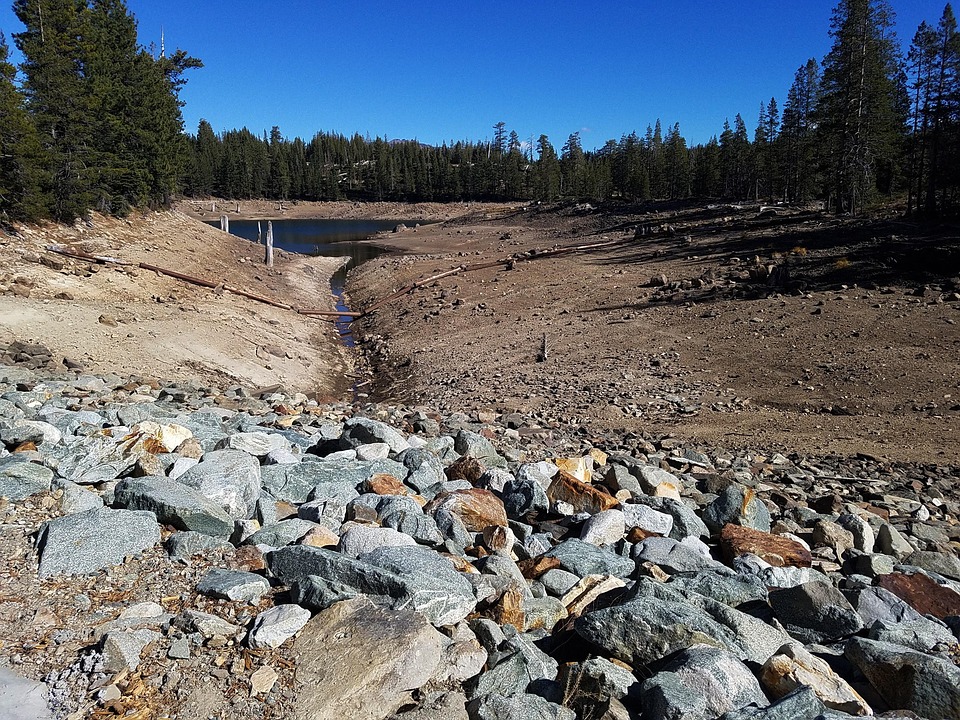
The effects of global warming are already being felt around the world. Rising temperatures are leading to more frequent and severe heatwaves, droughts, and wildfires. Glaciers are melting, sea levels are rising, and extreme weather events, such as hurricanes and typhoons, are becoming more intense.
Effects of Global Warming on Wildlife
Climate change is also impacting wildlife and their habitats. Many species are struggling to adapt to changing conditions and are at risk of extinction. Coral reefs are bleaching due to warmer ocean temperatures, and polar bears are losing their sea ice habitats.
Effects of Global Warming on Humans
Global warming is also affecting human health and well-being. Air pollution from burning fossil fuels is linked to respiratory diseases, such as asthma. Rising temperatures are leading to more cases of heatstroke and heat-related illnesses. In addition, food and water supplies are becoming more scarce due to changes in precipitation patterns.
What Can Students Do to Help?
While global warming is a complex issue, there are simple actions that students can take to reduce their carbon footprint and help combat climate change. Here are some tips:
Reduce, Reuse, Recycle
One of the easiest ways to reduce your carbon footprint is to recycle paper, plastic, and glass. By reusing items and reducing waste, you can help conserve natural resources and reduce greenhouse gas emissions.
Use Energy Wisely
Turn off lights and electronics when not in use, and unplug chargers and appliances when they are not being used. Switch to energy-efficient light bulbs and appliances to reduce your energy consumption.
Support Renewable Energy
Support the use of renewable energy sources, such as solar and wind power. Consider investing in solar panels for your home or encouraging your school to use renewable energy sources.
Plant Trees
Trees absorb carbon dioxide from the atmosphere and help reduce greenhouse gas emissions. Planting trees in your community or participating in tree-planting events can help combat global warming.
Conclusion
Global warming is a serious threat that requires immediate action. By understanding the causes and consequences of climate change, students can take steps to reduce their carbon footprint and help protect the planet for future generations. By following the tips outlined in this guide, students can make a difference in the fight against global warming and create a more sustainable world for all.
Remember, every action, no matter how small, counts in the fight against climate change. Together, we can make a difference and create a more sustainable future for all.