Powering the Future: The Rise of Renewable Energy Sources
As the world grapples with the challenges of climate change and dwindling fossil fuel reserves, renewable energy sources have emerged as a promising solution to meet our growing energy needs sustainably. The transition towards renewable energy is not only environmentally beneficial but also economically viable in the long run. In this article, we will explore the rise of renewable energy sources, their benefits, and the role they play in shaping the future of energy production.
The Need for Renewable Energy
With the increasing global demand for energy, the reliance on fossil fuels such as coal, oil, and natural gas has led to environmental degradation and climate change. The burning of fossil fuels releases greenhouse gases into the atmosphere, contributing to the warming of the planet and the disruption of ecosystems. In addition, fossil fuels are finite resources that will eventually run out, leading to energy scarcity and rising prices.
Renewable energy sources, on the other hand, are abundant and inexhaustible. They harness the power of natural elements such as sunlight, wind, water, and geothermal heat to generate electricity without emitting harmful pollutants. By transitioning to renewable energy, we can reduce our carbon footprint, mitigate the impacts of climate change, and ensure a sustainable future for generations to come.
The Benefits of Renewable Energy
There are numerous benefits associated with the use of renewable energy sources. One of the key advantages is their environmental friendliness. Unlike fossil fuels, renewable energy sources do not produce greenhouse gas emissions or toxic pollutants that contribute to air and water pollution. By generating electricity from renewable sources, we can protect our environment and preserve natural resources for future generations.
Renewable energy sources also offer economic benefits. As technology advances and production scales up, the cost of renewable energy has been steadily decreasing, making it more competitive with traditional energy sources. In addition, renewable energy projects create jobs, stimulate economic growth, and reduce dependence on imported fuels, thus enhancing energy security and stability.
Furthermore, renewable energy sources are decentralized and modular, allowing for greater energy independence and resilience. Distributed generation systems such as rooftop solar panels and small wind turbines enable households and businesses to generate their own electricity and reduce their reliance on the grid. This can help to stabilize energy prices, improve grid reliability, and enhance energy access in remote or underserved areas.
The Rise of Renewable Energy Sources
In recent years, there has been a significant increase in the deployment of renewable energy sources worldwide. Solar power, wind power, hydropower, and geothermal power are among the most popular renewable energy technologies being developed and utilized to meet our energy needs. Governments, businesses, and individuals are investing in renewable energy projects to reduce carbon emissions, diversify energy sources, and promote sustainable development.
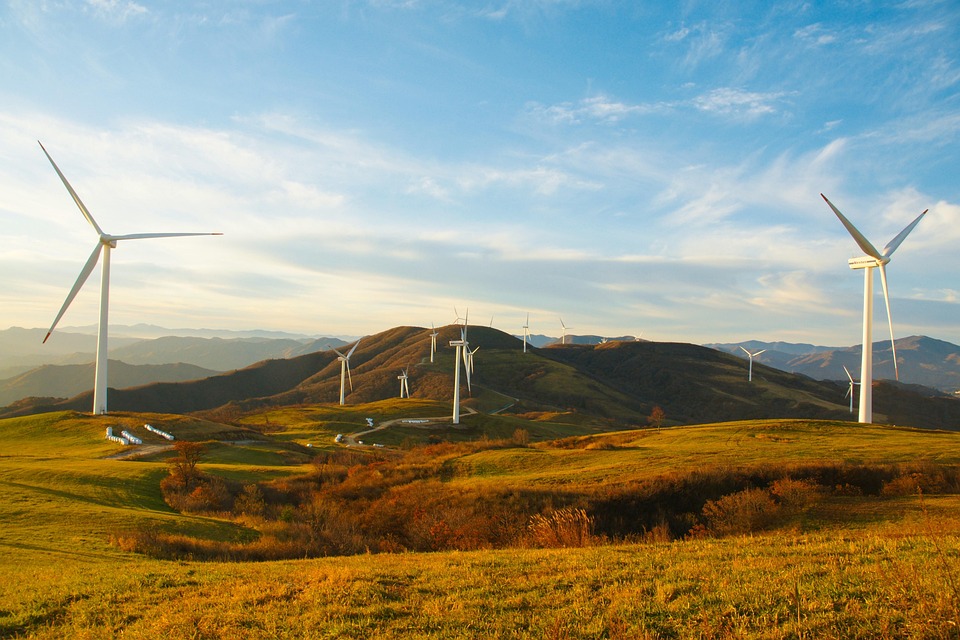
Solar power is one of the fastest-growing renewable energy sources, thanks to advancements in photovoltaic technology and decreasing costs. Solar panels can be installed on rooftops, in solar farms, and even in space to capture sunlight and convert it into electricity. Wind power is another rapidly expanding renewable energy source, with wind turbines harnessing the kinetic energy of the wind to generate electricity. Hydropower, generated from flowing water in rivers and dams, remains a reliable and widely used renewable energy source.
Geothermal power, derived from the heat of the earth’s interior, is a clean and consistent source of energy that can be harnessed through geothermal power plants. Biomass energy, produced from organic materials such as wood, crop residues, and animal waste, is another renewable energy source that can be used for heating, electricity generation, and transportation fuels.
The Role of Renewable Energy in Shaping the Future
Renewable energy sources are poised to play a crucial role in shaping the future of energy production and consumption. As countries commit to reducing their carbon emissions and transitioning to a low-carbon economy, renewable energy will become increasingly important in meeting climate goals and achieving sustainability targets. By investing in renewable energy infrastructure, innovation, and policy support, we can accelerate the transition towards a cleaner, greener, and more resilient energy system.
Renewable energy technologies are constantly evolving and improving, making them more efficient, reliable, and cost-effective. Advances in energy storage, smart grid technologies, and digital solutions are enabling greater integration of renewable energy into the grid and enhancing grid flexibility and stability. As renewable energy becomes more mainstream, it will create new opportunities for innovation, job creation, and economic growth in the energy sector.
Moreover, the decentralization of energy production and the democratization of energy ownership are empowering individuals and communities to take control of their energy future. Community-owned renewable energy projects, energy cooperatives, and shared solar installations are providing alternative models for energy generation and consumption that prioritize sustainability, equity, and social responsibility.
Conclusion
The rise of renewable energy sources represents a transformative shift in the way we produce and consume energy. By harnessing the power of natural elements such as sunlight, wind, water, and geothermal heat, we can reduce our reliance on fossil fuels, mitigate the impacts of climate change, and build a more sustainable and resilient energy system for the future. As we continue to invest in renewable energy technologies and policies, we can create a cleaner, greener, and more prosperous world for all.
Join us in powering the future with renewable energy sources and together, we can shape a brighter tomorrow for generations to come.