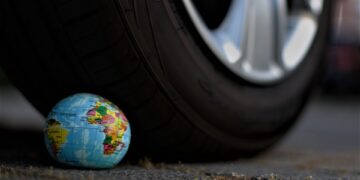
Climate Crisis: Unmistakable Signs of Global Warming Impacting Our World
Climate change is one of the most pressing issues facing our planet today. The impacts of global warming are becoming increasingly evident, with rising temperatures, melting ice caps, and extreme weather events becoming more frequent and severe. In this article, we will explore the unmistakable signs of global warming and how it is impacting our world.
Rising Temperatures
One of the most obvious signs of global warming is the steady increase in temperatures around the world. According to NASA, the Earth’s average temperature has risen by about 1.2 degrees Fahrenheit since the late 19th century. This may not seem like much, but even small increases in temperature can have significant impacts on the planet.
Warmer temperatures can lead to more frequent and severe heatwaves, which can be deadly for vulnerable populations such as the elderly and children. They can also lead to droughts, which can devastate crops and lead to food shortages. In addition, warmer temperatures can lead to the melting of ice caps and glaciers, which can contribute to rising sea levels.
Melting Ice Caps
One of the most striking visual signs of global warming is the melting of ice caps and glaciers. The Arctic ice cap, for example, has been shrinking at an alarming rate in recent years. This not only contributes to rising sea levels, but it also has a ripple effect on the global climate.
As the ice caps melt, they release large amounts of freshwater into the ocean, which can disrupt ocean currents and alter weather patterns. This can lead to more extreme weather events such as hurricanes, droughts, and floods. In addition, the melting of ice caps can also threaten the habitats of polar bears, seals, and other Arctic animals.
Extreme Weather Events
Another unmistakable sign of global warming is the increase in extreme weather events around the world. Hurricanes, typhoons, and wildfires are becoming more frequent and severe, causing widespread destruction and loss of life. In addition, droughts and floods are becoming more common, leading to food shortages and displacement of populations.
Scientists have linked the increase in extreme weather events to global warming, as warmer temperatures can lead to more energy in the atmosphere, which can fuel these events. In addition, the melting of ice caps and glaciers can alter weather patterns, leading to more unpredictable and extreme weather.
Impact on Ecosystems
The impacts of global warming are not limited to humans – they are also affecting ecosystems around the world. Coral reefs, for example, are highly sensitive to changes in temperature and are already experiencing bleaching events due to warmer waters. This can have devastating effects on marine life that rely on coral reefs for food and shelter.
In addition, forests are also being impacted by global warming, with increased temperatures and droughts leading to more frequent wildfires. This can not only destroy forests and the wildlife that inhabit them, but it can also release large amounts of carbon dioxide into the atmosphere, further exacerbating global warming.
What Can We Do?
While the signs of global warming are unmistakable, there are steps that we can take to mitigate its impacts and work towards a more sustainable future. One of the most important things that individuals can do is reduce their carbon footprint by using energy more efficiently, driving less, and supporting renewable energy sources.
In addition, governments and businesses can also play a crucial role in combating global warming by implementing policies that reduce greenhouse gas emissions and investing in clean energy technologies. By working together, we can make a difference and help protect our planet for future generations.
Conclusion
The signs of global warming are becoming increasingly evident, with rising temperatures, melting ice caps, and extreme weather events impacting our world. It is crucial that we take action now to mitigate the impacts of global warming and work towards a more sustainable future. By reducing our carbon footprint and supporting clean energy technologies, we can help protect our planet and ensure a healthy environment for future generations.