Eco-Friendly Architecture: Paving the Way for a Sustainable Future
As the world becomes more conscious of the environmental impact of construction and architecture, the demand for eco-friendly buildings is on the rise. Eco-friendly architecture focuses on creating structures that are not only aesthetically pleasing but also sustainable and environmentally friendly. By incorporating green building practices, these structures have a lower carbon footprint and contribute to a healthier planet for future generations.
What is Eco-Friendly Architecture?
Eco-friendly architecture, also known as sustainable architecture, is a design approach that focuses on minimizing the environmental impact of buildings and construction projects. This can include using renewable materials, energy-efficient systems, and sustainable building practices. The goal of eco-friendly architecture is to create buildings that are energy-efficient, environmentally friendly, and promote a healthy living environment.
Benefits of Eco-Friendly Architecture
There are numerous benefits to incorporating eco-friendly principles into architecture and construction projects. Some of the key benefits include:
Reduced Carbon Footprint
One of the main benefits of eco-friendly architecture is the reduced carbon footprint of buildings. By using renewable materials and energy-efficient systems, eco-friendly buildings consume less energy and produce fewer greenhouse gas emissions compared to traditional buildings.
Energy Efficiency
Eco-friendly buildings are designed to be energy-efficient, which can result in lower energy bills for occupants. By incorporating features such as solar panels, energy-efficient appliances, and natural lighting, eco-friendly buildings can significantly reduce energy consumption.
Improved Indoor Air Quality
Another benefit of eco-friendly architecture is improved indoor air quality. By using non-toxic materials and incorporating ventilation systems, eco-friendly buildings promote a healthier living environment for occupants.
Water Conservation
Eco-friendly buildings are designed to conserve water through features such as low-flow fixtures, rainwater harvesting systems, and drought-tolerant landscaping. By reducing water consumption, eco-friendly buildings help conserve this valuable resource.
Key Features of Eco-Friendly Architecture
There are several key features that define eco-friendly architecture and set it apart from traditional building practices. Some of these features include:
Use of Renewable Materials
Eco-friendly buildings are constructed using renewable materials such as bamboo, cork, and recycled wood. These materials are sustainable and have a lower environmental impact compared to traditional building materials.
Energy-Efficient Systems
Eco-friendly buildings incorporate energy-efficient systems such as solar panels, geothermal heating, and energy-efficient appliances. These systems help reduce energy consumption and lower utility bills for occupants.
Natural Lighting and Ventilation
Eco-friendly buildings are designed to maximize natural lighting and ventilation, reducing the need for artificial lighting and heating. This not only saves energy but also creates a more comfortable and inviting living environment.
Green Roofing
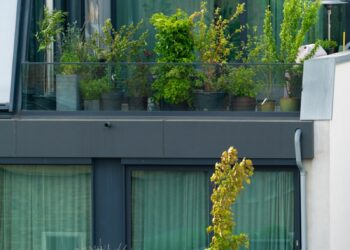
Green roofing is another key feature of eco-friendly architecture. Green roofs are covered with vegetation, which helps insulate the building, reduce stormwater runoff, and improve air quality.
Challenges of Eco-Friendly Architecture
While eco-friendly architecture offers numerous benefits, there are also challenges associated with implementing sustainable building practices. Some of the key challenges include:
Cost
One of the main challenges of eco-friendly architecture is the cost of implementing sustainable building practices. Renewable materials and energy-efficient systems can be more expensive upfront, although they often result in long-term cost savings through reduced energy bills.
Regulatory Hurdles
Another challenge of eco-friendly architecture is navigating regulatory hurdles and building codes. In some areas, building codes may not be conducive to sustainable building practices, making it difficult to implement eco-friendly features.
Educating Stakeholders
Educating stakeholders, including clients, architects, and builders, about the benefits of eco-friendly architecture can also be a challenge. Many people may be unfamiliar with sustainable building practices and may need to be convinced of the value of eco-friendly features.
The Future of Eco-Friendly Architecture
Despite the challenges, the future of eco-friendly architecture looks promising. As awareness of the environmental impact of buildings grows, there is increasing demand for sustainable and eco-friendly structures. Architects, builders, and developers are increasingly incorporating green building practices into their projects, paving the way for a more sustainable future.
By designing buildings that are energy-efficient, environmentally friendly, and promote a healthy living environment, eco-friendly architecture is playing a crucial role in addressing climate change and creating a more sustainable future for all.
Conclusion
Eco-friendly architecture is not just a trend but a necessity in today’s world. By incorporating green building practices, using renewable materials, and implementing energy-efficient systems, eco-friendly buildings are paving the way for a sustainable future. While there are challenges associated with implementing sustainable building practices, the benefits far outweigh the costs. As awareness of the environmental impact of construction grows, the demand for eco-friendly architecture will only continue to increase, leading to a healthier planet for future generations.