Embracing Sustainable Living: Your Guide to Plastic-Free Alternatives
In recent years, the impact of plastic pollution on our environment has become increasingly apparent. From plastic bags littering our oceans to microplastics infiltrating our food chain, the need for a shift towards more sustainable living practices has never been more urgent. One of the most effective ways to reduce our plastic footprint is by embracing plastic-free alternatives in our daily lives. In this article, we will explore the importance of sustainable living, provide a comprehensive guide to plastic-free alternatives, and offer tips on how to incorporate these changes into your lifestyle.
Why Embrace Sustainable Living?
Sustainable living is all about making conscious choices that reduce our impact on the environment and promote a healthier, more sustainable future for generations to come. By embracing sustainable living practices, we can help reduce pollution, conserve natural resources, and protect wildlife habitats. Additionally, sustainable living can also lead to cost savings, improved health, and a greater sense of connection to the natural world.
The Problem with Plastic
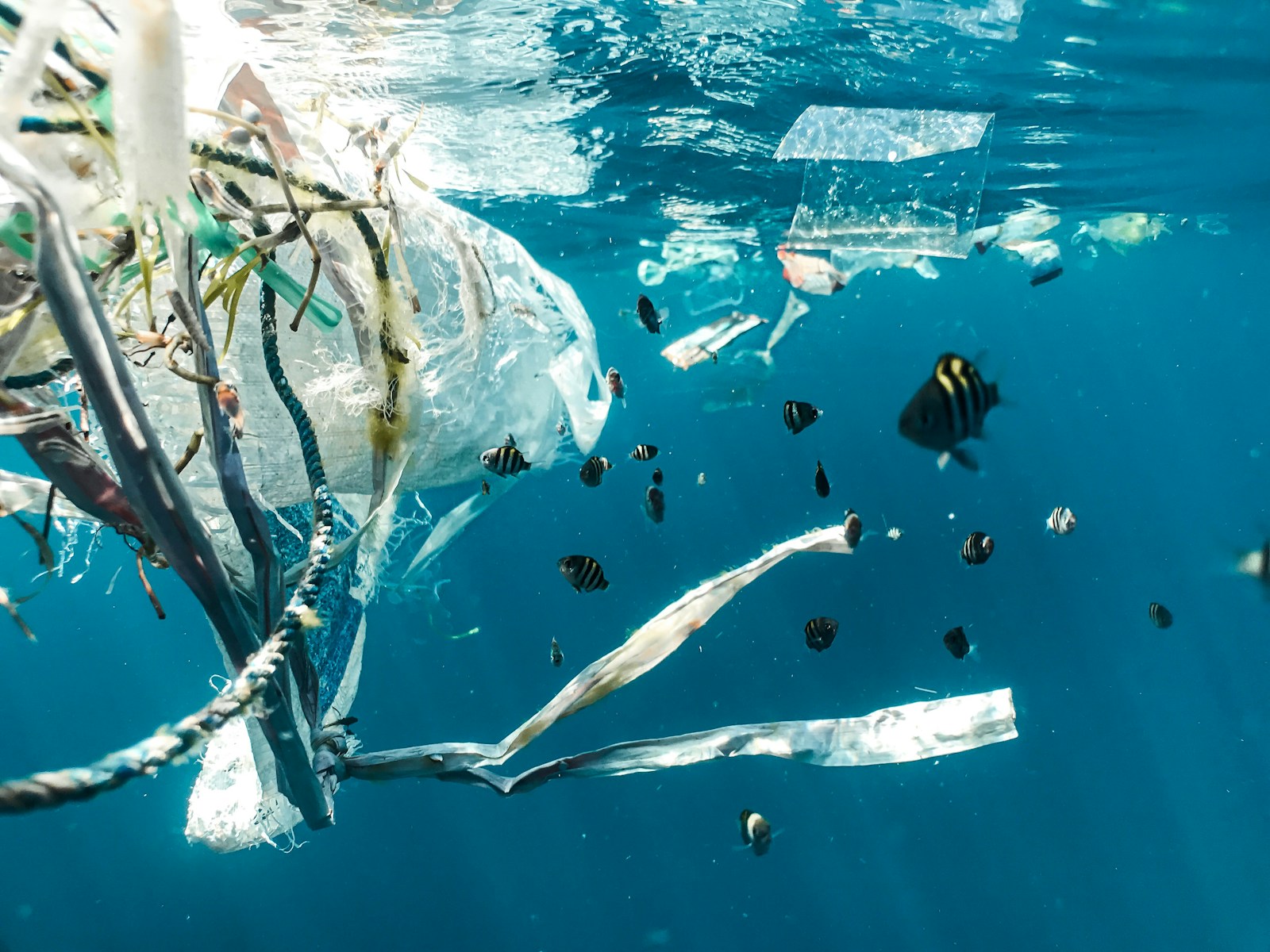
Plastic pollution is one of the biggest environmental challenges facing our planet today. Every year, millions of tons of plastic waste end up in our oceans, rivers, and landfills, where they can take hundreds of years to decompose. In addition to the visible plastic litter that we see in our environment, there are also microplastics – tiny plastic particles that are often invisible to the naked eye – that are causing harm to marine life and entering our food chain.
Plastic-Free Alternatives
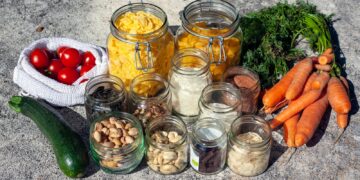
Fortunately, there are a wide variety of plastic-free alternatives available that can help us reduce our reliance on single-use plastics and minimize our environmental impact. Here are some popular plastic-free alternatives to consider:
1. Reusable Water Bottles: Instead of buying single-use plastic water bottles, opt for a reusable water bottle made from stainless steel, glass, or BPA-free plastic. Not only will this help reduce plastic waste, but it can also save you money in the long run.
2. Reusable Shopping Bags: Say goodbye to plastic bags by bringing your own reusable shopping bags to the grocery store or farmer’s market. Look for bags made from natural materials like cotton or jute, or invest in a durable reusable bag made from recycled materials.
3. Stainless Steel Straws: Plastic straws are one of the most common items found in beach cleanups and are harmful to marine life. Switch to stainless steel or bamboo straws, which are reusable, durable, and eco-friendly.
4. Beeswax Wraps: Instead of using plastic cling wrap or aluminum foil to store food, consider using beeswax wraps. These reusable wraps are made from organic cotton infused with beeswax, tree resin, and jojoba oil, and can be used to cover bowls, wrap sandwiches, or store produce.
5. Bamboo Toothbrushes: Every year, billions of plastic toothbrushes end up in landfills, where they can take centuries to decompose. Switch to a bamboo toothbrush, which is biodegradable and compostable, making it a more sustainable choice for oral hygiene.
Incorporating Plastic-Free Alternatives into Your Lifestyle
Making the switch to plastic-free alternatives may seem daunting at first, but with some planning and preparation, it can be easier than you think. Here are some tips on how to incorporate plastic-free alternatives into your lifestyle:
1. Start Small: Begin by identifying one or two plastic items in your daily routine that you can easily replace with a sustainable alternative. For example, swap out your disposable coffee cup for a reusable travel mug, or switch to a bamboo toothbrush instead of a plastic one.
2. Do Your Research: Take the time to research different plastic-free alternatives and find products that align with your values and lifestyle. Look for products that are made from sustainable materials, are ethically sourced, and are durable enough to withstand daily use.
3. Plan Ahead: Before heading out for the day, make sure to pack your reusable water bottle, shopping bags, straws, and other plastic-free essentials in your bag. By being prepared, you can avoid the temptation to use single-use plastics when you’re on the go.
4. Spread the Word: Share your journey towards sustainable living with friends, family, and colleagues to inspire others to make positive changes in their own lives. Consider hosting a plastic-free challenge or organizing a beach cleanup to raise awareness about the importance of reducing plastic waste.
5. Stay Committed: Embracing sustainable living is a journey, not a destination, so it’s important to stay committed to making conscious choices that support a more sustainable future. Remember that every small change you make can have a big impact on the planet.
Conclusion
Embracing sustainable living and reducing our reliance on single-use plastics is essential for protecting our environment and preserving natural resources for future generations. By making simple switches to plastic-free alternatives in our daily lives, we can help reduce plastic pollution, conserve energy, and promote a healthier, more sustainable world. Whether you start by using a reusable water bottle or incorporating beeswax wraps into your kitchen routine, every small change you make can make a difference. Together, we can create a more sustainable future for all.