Empower Your Home: The Ultimate Guide to Switching to Solar Power
Are you looking to reduce your carbon footprint, save money on your energy bills, and take control of your home’s energy source? Switching to solar power may be the perfect solution for you. In this comprehensive guide, we will walk you through everything you need to know about making the switch to solar power, from the benefits of solar energy to the installation process and beyond.
The Benefits of Solar Power
There are numerous benefits to switching to solar power for your home. Here are just a few of the most compelling reasons to make the switch:
1. Lower Energy Bills
One of the most significant benefits of solar power is the potential for lower energy bills. By generating your own electricity from the sun, you can reduce or even eliminate your reliance on the grid, saving you money in the long run.
2. Environmental Impact
Solar power is a clean, renewable energy source that produces no greenhouse gas emissions. By switching to solar power, you can significantly reduce your carbon footprint and help combat climate change.
3. Energy Independence
By generating your own electricity with solar panels, you can take control of your energy source and reduce your dependence on traditional energy providers. This can provide added security and stability for your home.
Is Solar Power Right for Your Home?
Before making the switch to solar power, it’s essential to consider whether solar energy is the right choice for your home. Here are a few factors to consider:
1. Location
The amount of sunlight your home receives is a crucial factor in determining the viability of solar power. Homes in sunny, unobstructed locations are generally better suited for solar panels.
2. Roof Condition
Your roof’s condition and orientation will also impact the effectiveness of solar panels. A south-facing roof with minimal shading is ideal for solar installation.
3. Energy Usage
Consider your home’s energy usage and whether solar power can meet your needs. A solar installer can help you assess your energy requirements and design a system that fits your needs.
The Solar Power Installation Process
Once you’ve determined that solar power is right for your home, it’s time to begin the installation process. Here’s what you can expect:
1. Consultation
The first step in the installation process is a consultation with a solar provider. They will assess your home’s energy needs, roof condition, and sunlight exposure to design a customized solar system for your home.
2. Permitting
Before installing solar panels, you will need to obtain the necessary permits from your local government. Your solar provider will handle this process for you.
3. Installation
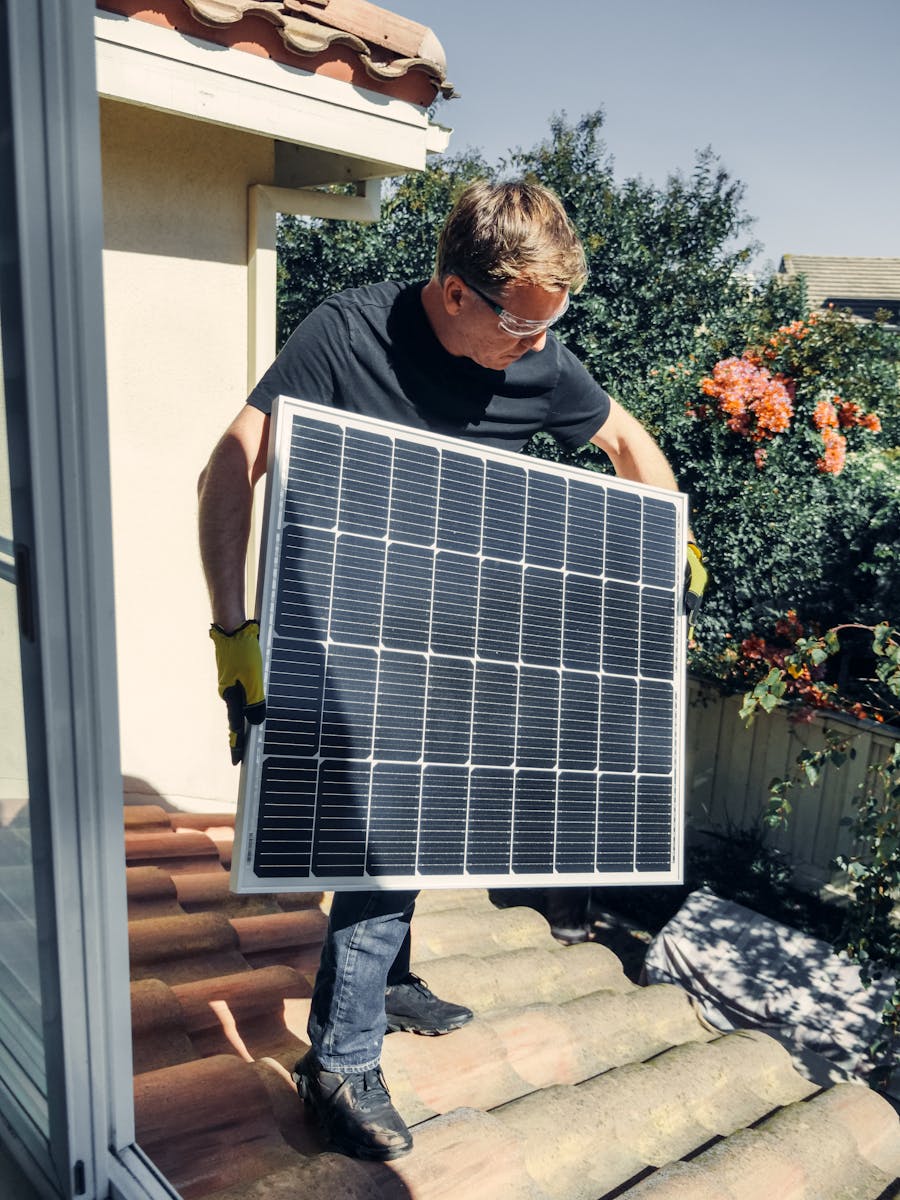
Once permits are secured, the solar panels will be installed on your roof. This process typically takes a few days, depending on the size of your system.
4. Connection
After installation, your solar system will need to be connected to your home’s electrical grid. This step will be completed by a qualified electrician to ensure that your system is safely and properly connected.
Maintaining Your Solar System
Once your solar system is installed and operational, it’s essential to maintain and monitor it regularly to ensure optimal performance. Here are a few tips for maintaining your solar system:
1. Regular Cleaning
Keep your solar panels clean and free of debris to maximize sunlight absorption. Regularly washing your panels with water and a mild detergent can help maintain their efficiency.
2. Monitoring Performance
Monitor your system’s performance regularly to ensure that it is generating the expected amount of electricity. If you notice any issues, contact your solar provider for assistance.
3. Professional Inspections
Schedule regular inspections with a qualified solar professional to ensure that your system is in good working order. They can identify and address any potential issues before they become major problems.
Additional Considerations
Before making the switch to solar power, there are a few additional considerations to keep in mind:
1. Financing
There are several financing options available for solar installation, including loans, leases, and power purchase agreements. Explore your options to find the best solution for your budget.
2. Incentives
Many governments and utility companies offer incentives for switching to solar power, such as tax credits, rebates, and net metering. Take advantage of these incentives to maximize your savings.
3. Battery Storage
Consider adding battery storage to your solar system to store excess energy for use during peak demand times or in the event of a power outage. Battery storage can provide added security and flexibility for your home.
Final Thoughts
Switching to solar power is a great way to empower your home with clean, renewable energy. By following the steps outlined in this guide, you can make the switch to solar power with confidence and enjoy the numerous benefits that solar energy has to offer. Whether you’re looking to save money on your energy bills, reduce your carbon footprint, or take control of your energy source, solar power is an excellent choice for homeowners. Take the first step towards a more sustainable future by switching to solar power today.
With the information provided in this guide, you can empower your home with solar power and make a positive impact on the environment. By taking control of your energy source and reducing your reliance on traditional energy providers, you can save money, lower your carbon footprint, and enjoy the numerous benefits of clean, renewable energy. Make the switch to solar power today and start enjoying a more sustainable and cost-effective energy solution for your home.