Facing the Heat: How Global Warming is Impacting Humanity
Global warming is one of the most pressing issues facing humanity today. With rising temperatures, melting ice caps, and extreme weather events becoming more frequent, the impact of climate change is being felt all around the world. In this article, we will explore how global warming is affecting humanity and what we can do to mitigate its effects.
What is Global Warming?
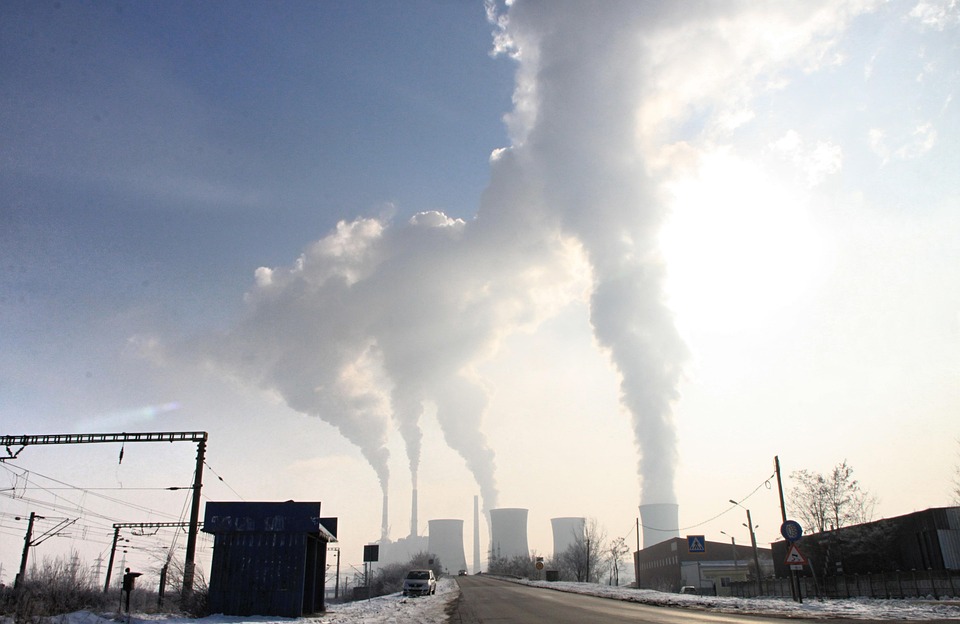
Global warming refers to the gradual increase in the Earth’s temperature due to the release of greenhouse gases into the atmosphere. These gases, such as carbon dioxide and methane, trap heat from the sun and cause the planet to warm up. This phenomenon is primarily driven by human activities, such as burning fossil fuels, deforestation, and industrial processes.
Impact on Health
One of the most significant ways that global warming is impacting humanity is through its effects on health. Rising temperatures can lead to heat-related illnesses, such as heat stroke and dehydration. In addition, extreme weather events, such as hurricanes and wildfires, can cause physical injuries and mental health issues.
Furthermore, global warming is also contributing to the spread of infectious diseases, as warmer temperatures create more favorable conditions for disease-carrying insects, such as mosquitoes. Diseases such as malaria, dengue fever, and Zika virus are becoming more prevalent in regions that were previously unaffected.
Impact on Food Security
Global warming is also having a significant impact on food security around the world. Changes in temperature and precipitation patterns are affecting crop yields, leading to food shortages and price spikes. In addition, extreme weather events, such as droughts and floods, can destroy crops and livestock, further exacerbating food insecurity.
Furthermore, global warming is also affecting the availability of freshwater resources, which are essential for agriculture. As glaciers melt and precipitation patterns change, many regions are facing water scarcity, making it difficult to grow crops and raise livestock.
Impact on Natural Disasters
One of the most visible impacts of global warming is the increase in frequency and intensity of natural disasters. Hurricanes, floods, wildfires, and droughts are becoming more common, causing widespread destruction and displacement of populations.
These natural disasters not only result in physical damage to infrastructure and property but also have long-lasting effects on communities. Many people are forced to leave their homes and livelihoods behind, leading to social and economic upheaval.
Mitigating Global Warming
While the effects of global warming are already being felt, there are steps that can be taken to mitigate its impact and prevent further damage. One of the most important actions that can be taken is to reduce greenhouse gas emissions by transitioning to renewable energy sources, such as solar and wind power.
In addition, efforts can be made to increase energy efficiency, reduce deforestation, and promote sustainable agriculture practices. By taking these actions, we can help slow down the rate of global warming and protect the planet for future generations.
Conclusion
Global warming is a complex issue that requires a coordinated and global response. By understanding how it is impacting humanity and taking action to mitigate its effects, we can work towards creating a more sustainable and resilient world. It is up to all of us to take responsibility for our actions and make the necessary changes to protect our planet and future generations.
Together, we can make a difference and ensure a brighter future for all.