Global warming is a pressing issue that is impacting wildlife survival around the world. As temperatures continue to rise due to human activities such as burning fossil fuels and deforestation, animals are facing increasing challenges in their natural habitats. From polar bears in the Arctic to sea turtles in the oceans, many species are struggling to adapt to the changing climate. In this article, we will explore how global warming is threatening wildlife survival and what can be done to mitigate its effects.
### The Impact of Global Warming on Wildlife
Global warming is causing a range of negative impacts on wildlife populations. One of the most obvious effects is the loss of habitat due to rising temperatures and changing weather patterns. Many species rely on specific habitats for food, shelter, and reproduction, and when these habitats are altered or destroyed, animals struggle to survive.
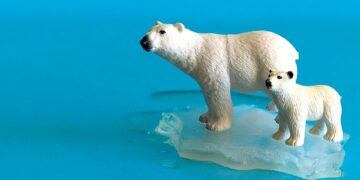
For example, polar bears in the Arctic are facing a shrinking ice cap, which is their main hunting ground. As the ice melts earlier in the year and freezes later, polar bears have less time to hunt for seals, their primary food source. This has led to a decline in polar bear populations, as they are unable to find enough food to sustain themselves.
### Rising Sea Levels and Coastal Species
Another major impact of global warming is rising sea levels, which threaten coastal species such as sea turtles and seabirds. As the oceans warm and expand, coastal habitats are at risk of being flooded, forcing animals to move inland or perish. Sea turtles, for example, rely on beaches for nesting, but rising sea levels are causing erosion and loss of nesting sites.
Seabirds that breed on coastal cliffs are also at risk, as their nesting sites may be washed away by higher tides and storm surges. These species are facing increasing challenges in finding suitable breeding grounds and raising their young, which could lead to population declines and even extinctions.
### Extreme Weather Events and Wildlife
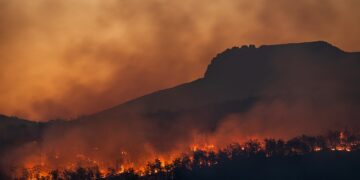
Global warming is also leading to more frequent and severe extreme weather events, such as hurricanes, droughts, and wildfires. These events can have devastating effects on wildlife populations, causing mass die-offs and habitat destruction.
For example, wildfires in Australia have destroyed vast areas of forest and grassland, displacing and killing countless animals. Koalas, kangaroos, and other native species have been particularly hard hit, as their habitats have been reduced to ashes. Similarly, hurricanes in the Caribbean have caused widespread destruction of coral reefs, which are vital habitats for marine life.
### Adaptation and Resilience
While the impacts of global warming on wildlife are severe, some species are showing remarkable resilience and adaptation to changing conditions. For example, some bird species are shifting their breeding ranges northward in response to warming temperatures, while others are changing their migration patterns to follow food sources.
Polar bears are also adapting to the loss of sea ice by spending more time on land and hunting for alternative food sources, such as berries and bird eggs. While these adaptations may help some species survive in the short term, they may not be enough to offset the long-term impacts of global warming.
### Conservation Efforts and Solutions
To address the threats of global warming to wildlife survival, conservation efforts are essential. Protecting and restoring habitats, reducing greenhouse gas emissions, and implementing sustainable practices are all crucial steps in mitigating the effects of climate change on wildlife.
For example, governments and organizations can establish protected areas and wildlife corridors to preserve critical habitats and promote species diversity. By creating safe havens for wildlife, we can help species adapt to changing conditions and ensure their survival in the face of global warming.
### Conclusion
Global warming is a major threat to wildlife survival, with impacts ranging from habitat loss to extreme weather events. By understanding the challenges that animals face and taking action to protect their habitats, we can help ensure the survival of vulnerable species in a changing climate. By working together to mitigate the effects of global warming, we can create a more sustainable future for wildlife and the planet as a whole.