Forests in Peril: Uncovering the Devastating Link Between Deforestation and Climate Change
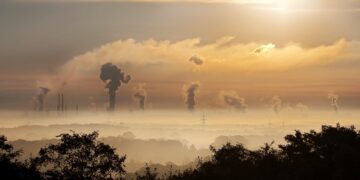
Forests around the world are in peril, facing unprecedented levels of deforestation that are directly contributing to the devastating impacts of climate change. The destruction of forests not only leads to the loss of biodiversity and habitats for countless species, but it also significantly contributes to the release of greenhouse gases into the atmosphere, exacerbating global warming and its associated effects.
The Impact of Deforestation on Climate Change
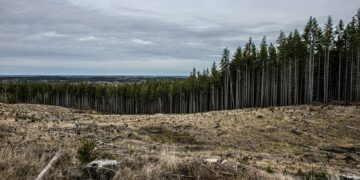
Deforestation is a major driver of climate change, as trees play a crucial role in absorbing carbon dioxide from the atmosphere. When forests are cleared or burned, this stored carbon is released back into the atmosphere, contributing to the greenhouse effect and trapping heat. The loss of forests also reduces the planet’s ability to absorb carbon dioxide, further exacerbating the problem.
Additionally, deforestation leads to the loss of valuable ecosystems that help regulate the climate, such as the Amazon rainforest, which is often referred to as the “lungs of the Earth” due to its ability to produce oxygen and absorb carbon dioxide. The destruction of these vital ecosystems not only disrupts the balance of the climate but also leads to a loss of biodiversity and the extinction of countless plant and animal species.
The Causes of Deforestation
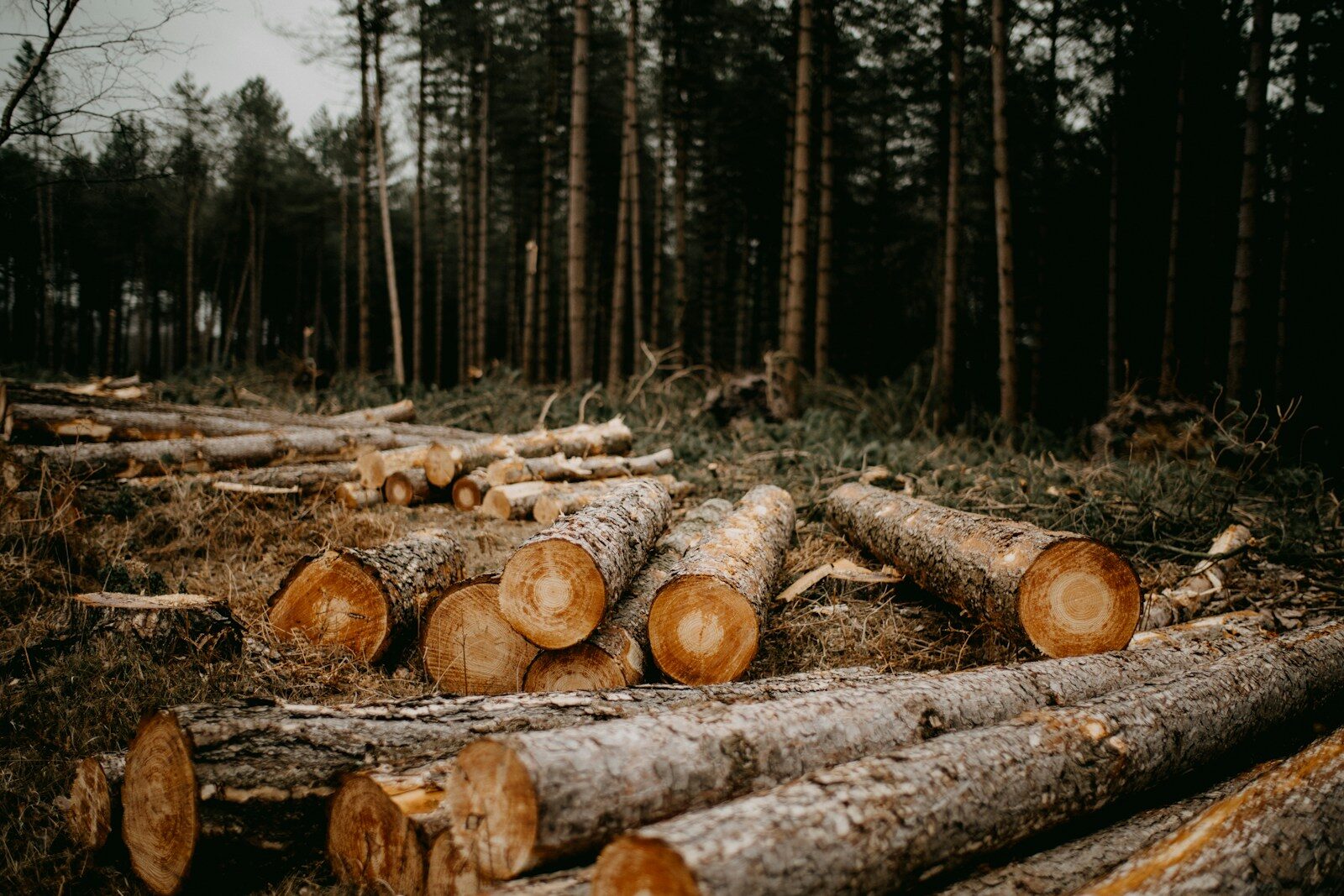
There are several key drivers of deforestation, including the expansion of agriculture, logging, mining, and infrastructure development. The demand for commodities such as palm oil, soybeans, and beef has led to the clearing of vast areas of forest to make way for plantations and grazing land. Illegal logging and land grabbing also play a significant role in the destruction of forests, particularly in developing countries where weak governance and enforcement mechanisms allow for rampant deforestation.
Climate change is also a contributing factor to deforestation, as rising temperatures and changing weather patterns make forests more vulnerable to wildfires, pests, and diseases. These impacts can lead to widespread forest die-offs and further degradation of ecosystems, exacerbating the cycle of deforestation and climate change.
The Consequences of Deforestation
The consequences of deforestation are far-reaching and have profound impacts on both the environment and human societies. The loss of forests leads to soil erosion, reduced water quality, and increased vulnerability to natural disasters such as floods and landslides. Deforestation also disrupts local and global weather patterns, leading to more extreme weather events and unpredictable climate conditions.
From a social perspective, deforestation threatens the livelihoods of millions of people who depend on forests for food, water, and shelter. Indigenous communities, in particular, are disproportionately affected by deforestation, as their traditional lands and ways of life are threatened by the destruction of forests and the loss of biodiversity.
What Can Be Done to Address Deforestation and Climate Change?
Addressing deforestation and its link to climate change requires a multi-faceted approach that involves government action, corporate responsibility, and individual behavior change. Governments play a crucial role in enacting and enforcing laws and policies that protect forests and promote sustainable land use practices. International agreements such as the Paris Agreement also provide a framework for global cooperation in addressing climate change and deforestation.
Corporate responsibility is also essential in combating deforestation, as many companies in the agriculture, logging, and mining sectors have a significant impact on forest ecosystems. By implementing sustainable sourcing practices and supporting certified products, businesses can help reduce the demand for deforestation-linked commodities and promote responsible land management.
Individuals can also make a difference by supporting sustainable products, reducing their consumption of meat and dairy products, and advocating for stronger environmental protections. Planting trees, supporting reforestation projects, and participating in local conservation efforts are also effective ways to combat deforestation and its impacts on climate change.
Conclusion
Forests are invaluable resources that play a crucial role in regulating the Earth’s climate and supporting biodiversity. However, deforestation poses a significant threat to forests and their ability to mitigate climate change, leading to devastating consequences for the environment and human societies. By understanding the link between deforestation and climate change and taking action to address these issues, we can work towards a more sustainable future for our planet and future generations.
It is crucial that we prioritize the protection of forests and promote sustainable land use practices to mitigate the impacts of deforestation and combat climate change. By working together at the local, national, and global levels, we can make a positive impact on the health of our planet and ensure a more sustainable future for all.