Green Energy 101: A Beginner’s Guide to Sustainable Solutions
As concerns about climate change and environmental sustainability continue to grow, more and more people are turning to green energy as a way to reduce their carbon footprint and contribute to a cleaner, healthier planet. If you’re new to the world of green energy, you may be feeling overwhelmed by all the options and information out there. That’s why we’ve put together this beginner’s guide to help you understand the basics of sustainable energy solutions and how you can incorporate them into your daily life.
What is Green Energy?
Green energy, also known as renewable energy, is energy that is generated from natural resources that are constantly replenished, such as sunlight, wind, and water. Unlike fossil fuels like coal and oil, which are finite resources that are harmful to the environment, green energy sources are clean, sustainable, and have minimal impact on the planet.
Types of Green Energy
There are several different types of green energy sources that you can harness to power your home or business. Some of the most common ones include:
Solar Energy
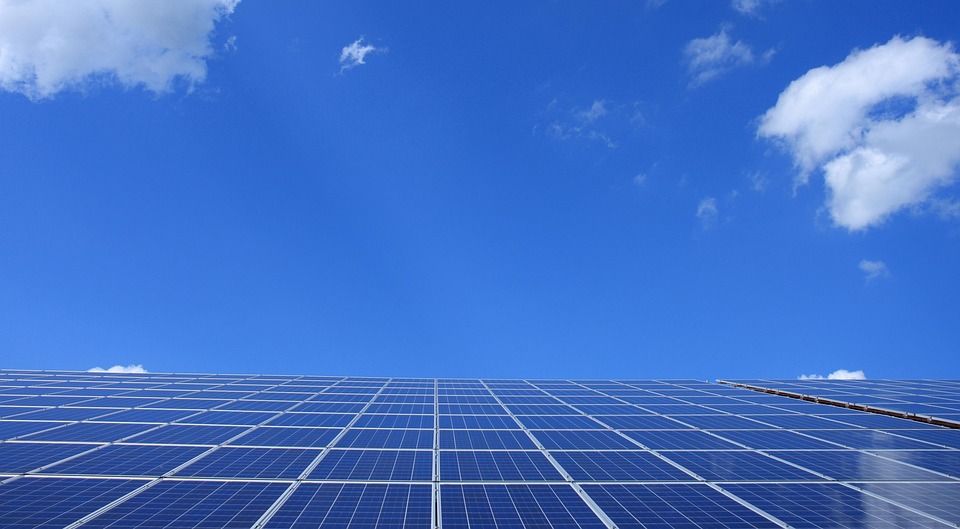
Solar energy is generated by capturing sunlight with solar panels and converting it into electricity. This energy source is abundant, clean, and can be used to power everything from small electronic devices to entire buildings.
Wind Energy
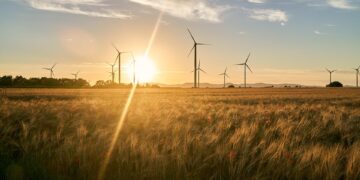
Wind energy is generated by harnessing the power of the wind with wind turbines. This energy source is also abundant, clean, and can be used to generate electricity for homes, businesses, and even entire communities.
Hydropower
Hydropower is generated by capturing the energy of moving water, such as rivers and streams, and converting it into electricity. This energy source is reliable, renewable, and can be used to power everything from small hydroelectric plants to large dams.
Biomass Energy
Biomass energy is generated by burning organic materials, such as wood, crop residues, and animal waste, to produce heat and electricity. This energy source is renewable, carbon-neutral, and can be used to replace fossil fuels in heating and power generation.
Benefits of Green Energy
There are many benefits to using green energy sources instead of fossil fuels. Some of the most important ones include:
Reduced Carbon Footprint
Green energy sources produce minimal greenhouse gas emissions, which helps reduce the impact of climate change and air pollution on the planet.
Energy Independence
By harnessing renewable energy sources like solar and wind power, individuals and communities can reduce their dependence on fossil fuels and foreign oil.
Cost Savings
While the upfront costs of installing green energy systems can be high, the long-term savings on energy bills can be significant, making green energy a cost-effective option in the long run.
How to Get Started with Green Energy
If you’re ready to start incorporating green energy solutions into your daily life, here are some steps you can take:
Conduct an Energy Audit
Before you invest in any green energy systems, it’s important to understand how much energy you currently use and where you can make improvements. Conducting an energy audit of your home or business can help you identify areas where you can reduce energy consumption and increase efficiency.
Switch to LED Lighting
One of the easiest ways to save energy and reduce your carbon footprint is by switching to energy-efficient LED light bulbs. These bulbs use up to 75% less energy than traditional incandescent bulbs and last up to 25 times longer.
Invest in Solar Panels
If you’re looking to generate your own clean energy, consider investing in solar panels for your home or business. Solar panels can help you reduce your electricity bills, increase your energy independence, and contribute to a healthier planet.
Explore Renewable Energy Options
There are many other renewable energy options available, such as wind turbines, geothermal systems, and biomass boilers. Explore these options to find the best fit for your needs and budget.
Common Questions About Green Energy
As you explore the world of green energy, you may have some questions about how it works and how you can incorporate it into your daily life. Here are some common questions and answers to help you better understand sustainable energy solutions:
Is green energy more expensive than traditional energy sources?
While the upfront costs of green energy systems can be higher than traditional energy sources, the long-term savings on energy bills can make them a cost-effective option in the long run. Additionally, many governments offer incentives and rebates for installing green energy systems, which can help offset the cost.
How reliable are green energy sources?
Green energy sources like solar and wind power can be reliable when properly designed and maintained. While these sources may be intermittent (depending on weather conditions), they can be supplemented with energy storage systems to provide a consistent power supply.
Can I use green energy if I live in an apartment or rental property?
Yes, you can still use green energy even if you live in an apartment or rental property. Many utility companies offer green energy options for their customers, and you can also invest in portable solar panels or other renewable energy systems that don’t require permanent installation.
Conclusion
Green energy is a sustainable, clean, and cost-effective alternative to traditional energy sources like fossil fuels. By harnessing renewable energy sources like solar, wind, and hydropower, individuals and communities can reduce their carbon footprint, increase their energy independence, and contribute to a healthier planet. If you’re new to the world of green energy, don’t be overwhelmed by all the options and information out there. Take the time to educate yourself, conduct an energy audit, and explore renewable energy options that fit your needs and budget. With a little effort and investment, you can make a big difference for the planet and future generations to come.
Remember, every small step towards green energy counts in the fight against climate change and environmental degradation. Start your journey towards a sustainable future today!