Harvesting a Sustainable Future: Navigating Climate Change’s Impact on Agriculture
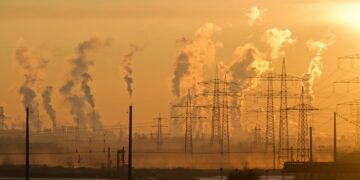
Climate change is one of the most pressing issues facing our planet today, and its impact on agriculture is significant. As temperatures rise and extreme weather events become more common, farmers around the world are facing new challenges in growing crops and raising livestock. In order to ensure a sustainable future for agriculture, it is crucial that we take proactive steps to mitigate the effects of climate change and adapt our farming practices to a changing environment.
The Impact of Climate Change on Agriculture
Climate change is already having a noticeable impact on agriculture in many parts of the world. Rising temperatures can lead to changes in growing seasons, shifts in precipitation patterns, and an increase in the frequency and intensity of extreme weather events such as droughts, floods, and storms. These changes can have a significant impact on crop yields, livestock productivity, and overall farm profitability.
One of the key challenges that farmers face as a result of climate change is the increased risk of crop failure due to extreme weather events. Droughts can lead to water shortages and crop wilting, while floods can wash away crops and soil nutrients. In addition, rising temperatures can create ideal conditions for pests and diseases to thrive, leading to reduced yields and increased losses for farmers.
Adapting to a Changing Climate
In order to adapt to the challenges posed by climate change, farmers must be willing to embrace new technologies and farming practices that can help them mitigate the effects of a changing environment. This may include investing in drought-resistant crop varieties, implementing water-saving irrigation techniques, and using natural pest control methods to reduce the reliance on chemical pesticides.
One promising approach to adapting to climate change is the use of precision agriculture techniques, which involve the use of data-driven technologies such as GPS mapping, drones, and sensors to optimize crop production and reduce environmental impact. By collecting and analyzing data on soil quality, weather patterns, and crop health, farmers can make more informed decisions about when and where to plant crops, how much water and fertilizer to use, and when to harvest their crops.
Building Resilience Through Sustainable Practices
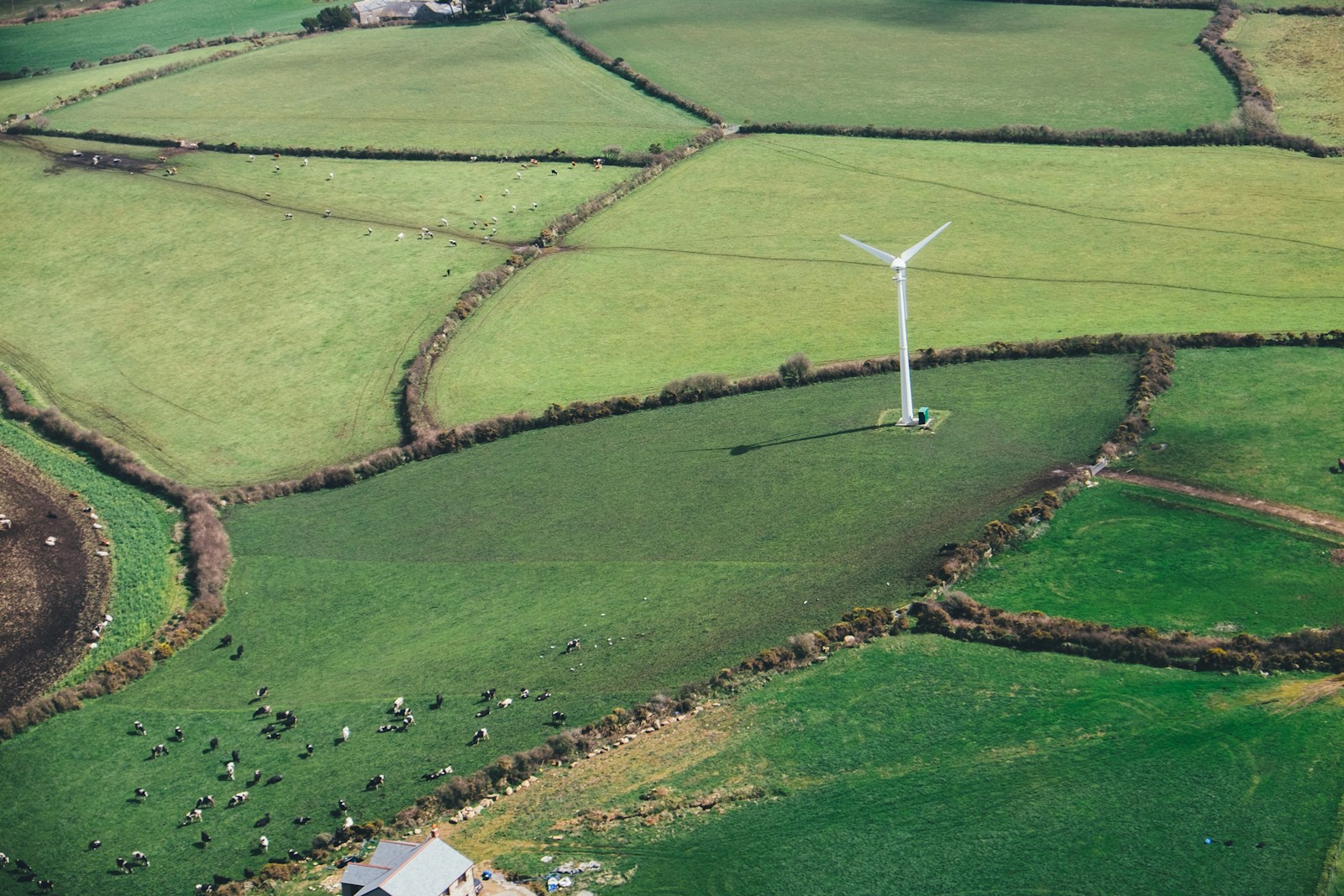
In addition to adapting to the immediate challenges posed by climate change, farmers must also focus on building resilience in their farming operations to withstand future climate-related disruptions. This may include diversifying crop and livestock production, improving soil health and fertility, and investing in renewable energy sources to reduce reliance on fossil fuels.
One way to build resilience in agriculture is through the adoption of sustainable farming practices that prioritize environmental stewardship and long-term sustainability. This may include practices such as conservation tillage, crop rotation, cover cropping, and agroforestry, which can help improve soil health, reduce erosion, and enhance biodiversity on the farm.
Collaborating for a Sustainable Future
Addressing the challenges posed by climate change in agriculture requires a collaborative effort from all stakeholders, including farmers, policymakers, researchers, and consumers. By working together to share knowledge, resources, and best practices, we can create a more resilient and sustainable food system that can withstand the challenges of a changing climate.
Consumers also play a crucial role in shaping the future of agriculture by supporting sustainable farming practices and choosing environmentally friendly products. By buying locally grown produce, supporting organic farming, and reducing food waste, consumers can help reduce the environmental impact of agriculture and support farmers who are working to adapt to climate change.
Conclusion
Climate change poses significant challenges to agriculture, but by taking proactive steps to adapt to a changing climate and build resilience in farming operations, we can create a more sustainable future for agriculture. By embracing new technologies, adopting sustainable farming practices, and collaborating with stakeholders across the food system, we can navigate the impacts of climate change and ensure a healthy and prosperous future for farmers and consumers alike.
Together, we can work towards a future where agriculture is not only able to withstand the challenges of climate change but also thrive in a changing environment, providing a stable and abundant food supply for generations to come.