Harvesting the Future: The Impact of Climate Change on Agriculture
Climate change is a pressing issue that affects various aspects of our lives, including agriculture. As the Earth’s climate continues to warm, farmers are facing new challenges that impact their ability to grow crops and raise livestock. In this article, we will explore the impact of climate change on agriculture and how farmers are adapting to these changes.
Understanding the Impact of Climate Change on Agriculture
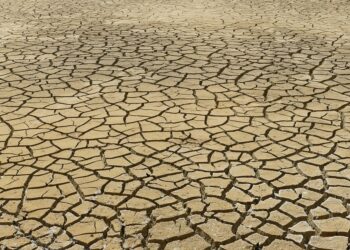
Climate change is causing shifts in temperature and precipitation patterns, which can have a significant impact on agriculture. Many crops are sensitive to changes in temperature and water availability, making it difficult for farmers to predict yields and plan for the future. Extreme weather events, such as droughts, floods, and heatwaves, are becoming more common, further exacerbating the challenges faced by farmers.
One of the key ways that climate change is impacting agriculture is through changes in growing seasons. Warmer temperatures are causing plants to flower earlier and pests to emerge sooner, disrupting the delicate balance of ecosystems. This can lead to reduced crop yields and increased pest pressure, making it harder for farmers to grow food for a growing population.
Adapting to Climate Change
Despite the challenges posed by climate change, many farmers are finding ways to adapt to the changing climate. One of the key strategies being used is the adoption of sustainable agriculture practices, such as conservation tillage, crop rotation, and cover cropping. These practices help to build resilience in agroecosystems, making them more able to withstand the impacts of climate change.
Another important adaptation strategy is the use of climate-resilient crop varieties. Plant breeders are developing new varieties of crops that are better able to tolerate heat, drought, and pests, helping farmers to maintain yields in the face of changing climate conditions. By planting these new varieties, farmers can reduce their reliance on chemical inputs and increase the sustainability of their farming operations.
The Role of Technology in Adapting to Climate Change
Technology also plays a crucial role in helping farmers adapt to the impacts of climate change. For example, precision agriculture tools, such as GPS-guided tractors and drones, can help farmers to optimize their use of inputs, such as water and fertilizer, reducing waste and increasing efficiency. These tools can also help farmers to monitor crop health and identify problems before they become widespread, allowing for more targeted interventions.
Another technology that is helping farmers adapt to climate change is weather forecasting. By accurately predicting weather patterns, farmers can better plan their planting and harvesting schedules, reducing the risk of crop losses due to extreme weather events. Weather forecasting can also help farmers to make decisions about irrigation and pest management, improving overall farm productivity.
Conclusion
Climate change is having a significant impact on agriculture, posing new challenges for farmers around the world. However, by adopting sustainable agriculture practices, using climate-resilient crop varieties, and leveraging technology, farmers can adapt to the changing climate and continue to feed a growing population. It is essential that policymakers, researchers, and farmers work together to address the impacts of climate change on agriculture and ensure a sustainable future for food production.
By understanding the impact of climate change on agriculture and taking proactive steps to adapt, we can help to ensure a resilient and productive food system for generations to come.