Power Play: The Battle Between Solar and Wind Energy
As the world continues to shift towards renewable energy sources, the battle between solar and wind energy has become increasingly prominent. Both technologies offer significant advantages and are key players in the push for a more sustainable future. In this article, we will explore the benefits and drawbacks of solar and wind energy, and examine how they stack up against each other in the race for dominance in the renewable energy sector.
The Rise of Solar Energy
Solar energy has seen a dramatic rise in popularity in recent years, thanks to advancements in technology and falling costs. Solar panels are now more affordable and efficient than ever before, making them an attractive option for homeowners and businesses looking to reduce their carbon footprint and save on energy bills.
One of the key advantages of solar energy is its versatility. Solar panels can be installed on rooftops, in solar farms, and even integrated into building materials such as windows and shingles. This flexibility makes solar energy accessible to a wide range of consumers and allows for decentralized energy production.
Another major advantage of solar energy is its reliability. While solar panels do require sunlight to generate electricity, they can still produce power on cloudy days and during the winter months. This makes solar energy a dependable source of renewable energy that can help reduce dependence on fossil fuels.
The Challenges of Solar Energy
Despite its many advantages, solar energy does have some drawbacks. One of the main challenges facing solar energy is its intermittency. Solar panels only generate electricity when the sun is shining, which means that energy storage solutions are needed to ensure a steady supply of power. Batteries and other storage technologies can help address this issue, but they add to the overall cost of a solar energy system.
Another challenge facing solar energy is the issue of land use. Solar farms require large amounts of land to generate significant amounts of electricity, which can be a concern in densely populated areas. Additionally, solar panels can have a visual impact on the landscape, leading to opposition from local communities.
The Advantages of Wind Energy
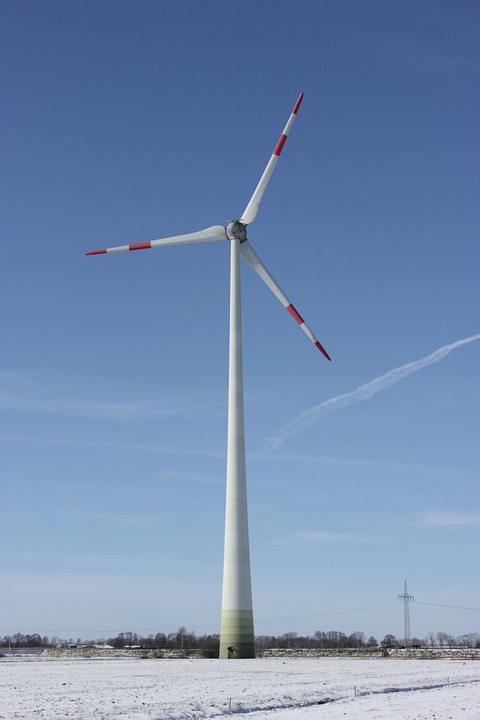
Wind energy is another popular renewable energy source that has seen significant growth in recent years. Wind turbines harness the power of the wind to generate electricity, offering a clean and sustainable alternative to fossil fuels.
One of the key advantages of wind energy is its scalability. Wind turbines can be installed in a wide range of sizes, from small turbines for residential use to large commercial-scale wind farms. This flexibility allows wind energy to be deployed in a variety of settings, making it a versatile option for meeting energy needs.
Another major advantage of wind energy is its cost-effectiveness. Wind power is one of the most competitive forms of renewable energy, with costs continuing to fall as technology improves. This makes wind energy an attractive option for utilities and businesses looking to reduce their carbon footprint while saving money on energy costs.
The Challenges of Wind Energy
Like solar energy, wind energy also has its challenges. One of the main drawbacks of wind energy is its intermittency. Wind turbines only generate electricity when the wind is blowing, which means that energy storage solutions are needed to ensure a reliable power supply. This can add to the overall cost of a wind energy system and complicate grid integration.
Another challenge facing wind energy is the issue of visual and noise impacts. Wind turbines can be large and imposing structures, leading to concerns about their impact on the landscape and local wildlife. In addition, some people find the noise generated by wind turbines to be a nuisance, which can create opposition to wind energy projects.
The Battle for Dominance
As the battle between solar and wind energy heats up, it’s clear that both technologies have a role to play in the transition to a clean energy future. Solar energy offers a reliable and versatile source of renewable power, while wind energy provides a cost-effective and scalable alternative to fossil fuels.
Ultimately, the success of solar and wind energy will depend on a variety of factors, including technological advancements, policy support, and public acceptance. By working together to overcome their respective challenges and capitalize on their unique strengths, solar and wind energy can help drive the transition to a more sustainable energy system.
Conclusion
In conclusion, the battle between solar and wind energy is a key battleground in the push for a more sustainable energy future. Both technologies offer significant advantages and face unique challenges, making it important to consider the strengths and weaknesses of each when deciding on the best approach to renewable energy.
By understanding the benefits and drawbacks of solar and wind energy, consumers and policymakers can make informed decisions that will help drive the transition to a cleaner, more sustainable energy system. Whether it’s harnessing the power of the sun or the wind, the future of renewable energy looks bright.