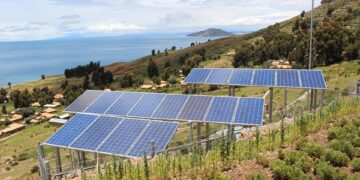
Power Struggle: The Battle Between Solar and Wind Energy
As the world continues to grapple with the effects of climate change, the demand for renewable energy sources has never been greater. Among the most popular options are solar and wind energy, both of which have proven to be effective in reducing greenhouse gas emissions and decreasing reliance on fossil fuels. However, a power struggle between the two has emerged, with proponents of each arguing for their preferred technology. In this article, we will explore the key differences between solar and wind energy, the advantages and disadvantages of each, and how they are shaping the future of renewable energy.
The Basics of Solar and Wind Energy
Solar energy is generated by capturing sunlight and converting it into electricity using photovoltaic cells. These cells are typically installed on rooftops or in large solar farms, where they can harness the sun’s energy and feed it into the electrical grid. Wind energy, on the other hand, is generated by capturing the kinetic energy of the wind and converting it into electricity using wind turbines. These turbines are often installed in windy areas, such as onshore or offshore wind farms, where they can take advantage of the constant flow of wind.
Advantages of Solar Energy
One of the main advantages of solar energy is its abundance. The sun shines all around the world, making solar power a viable option for almost every region. Solar panels are also relatively easy to install and maintain, making them a popular choice for residential and commercial applications. Additionally, solar energy is clean and renewable, producing no greenhouse gas emissions or air pollutants. This makes it an attractive option for those looking to reduce their carbon footprint and combat climate change.
Disadvantages of Solar Energy
One of the biggest disadvantages of solar energy is its intermittency. Solar panels only generate electricity when the sun is shining, which means that energy storage solutions are needed to ensure a constant power supply. This can add to the overall cost of a solar energy system, making it less competitive with other forms of energy generation. Additionally, solar panels require a significant amount of space, which can be a limiting factor for some installations.
Advantages of Wind Energy
Wind energy also has many advantages, including its abundance and reliability. Wind is a constant and predictable source of energy, making it a stable option for electricity generation. Wind turbines can be installed in a variety of locations, from remote rural areas to offshore sites, allowing for flexibility in deployment. Wind energy is also clean and renewable, producing no emissions or pollution during operation. This makes it a popular choice for governments and organizations looking to meet renewable energy targets.
Disadvantages of Wind Energy
One of the main disadvantages of wind energy is its visual impact. Wind turbines can be large and imposing structures, which can be a source of contention for local communities. Additionally, wind energy is dependent on the availability of wind, which can vary from day to day. This variability can make it difficult to predict energy output and may require energy storage solutions to ensure a consistent power supply. Finally, wind turbines can be noisy and pose a risk to birds and other wildlife.
The Future of Renewable Energy
Despite the advantages and disadvantages of solar and wind energy, both technologies are expected to play a key role in the future of renewable energy. As advancements in technology continue to drive down costs and improve efficiency, solar and wind energy are becoming increasingly competitive with traditional forms of energy generation. Governments around the world are also implementing policies to promote the use of renewable energy, further driving the adoption of solar and wind technologies.
Conclusion
In conclusion, the battle between solar and wind energy is a complex and ongoing struggle. Both technologies have their own advantages and disadvantages, and both are essential in the transition to a clean energy future. While solar energy may be more suitable for some applications, wind energy has its own strengths that make it a valuable addition to the renewable energy mix. Ultimately, the future of energy generation will likely be a mix of solar, wind, and other renewable technologies, each playing a crucial role in reducing greenhouse gas emissions and combating climate change.
By understanding the differences between solar and wind energy, consumers and policymakers can make informed decisions about the best ways to harness renewable energy and create a more sustainable future for generations to come.