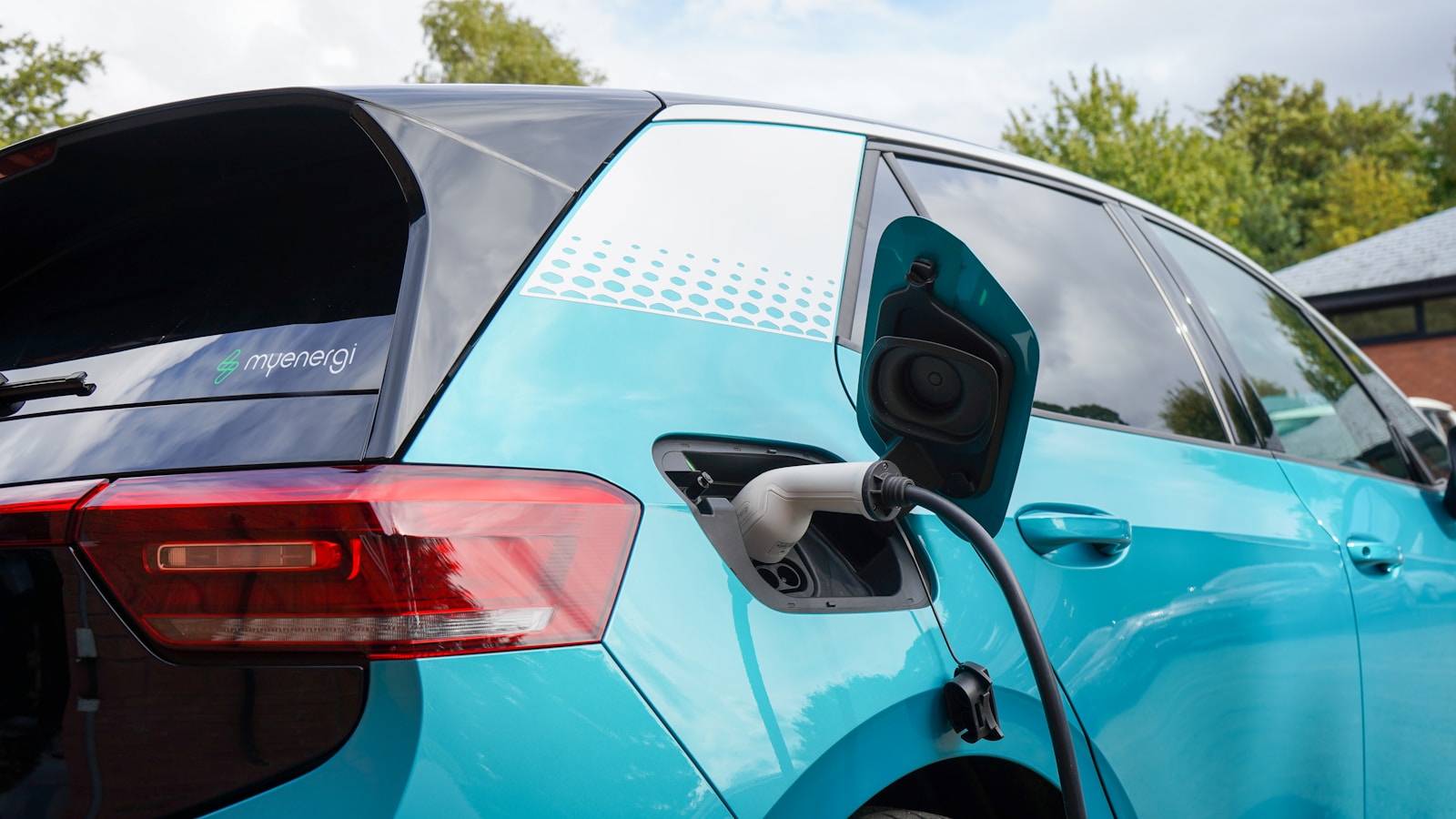
In recent years, there has been a growing global shift towards sustainable practices in order to combat climate change and reduce our carbon footprint. One key area that has seen significant advancements is the automotive industry, particularly with the rise of electric cars. Electric vehicles (EVs) offer a cleaner and more environmentally friendly alternative to traditional gasoline-powered cars, with a range of benefits that go beyond just reducing emissions.
What are Electric Cars?
Electric cars are vehicles that are powered by an electric motor and rely on electricity stored in rechargeable batteries for energy. Unlike traditional gasoline-powered cars, EVs do not produce tailpipe emissions, which means they do not contribute to air pollution or greenhouse gas emissions. Instead, they are powered by clean energy sources such as solar, wind, or hydropower, making them a much more sustainable transportation option.
Environmental Benefits of Electric Cars
1. Reduced Emissions: One of the most significant environmental benefits of electric cars is their ability to reduce greenhouse gas emissions. According to the Union of Concerned Scientists, EVs produce significantly fewer emissions over their lifetime compared to gasoline-powered cars, even when accounting for the emissions produced during the manufacturing and charging of the batteries.
2. Improved Air Quality: Electric cars do not produce tailpipe emissions, which means they do not contribute to air pollution in urban areas. This can help improve air quality and reduce the health risks associated with breathing in pollutants such as nitrogen oxides and particulate matter.
3. Energy Efficiency: Electric cars are more energy-efficient than gasoline-powered cars, with an average efficiency of around 60-70%. This means that more of the energy stored in the batteries is used to power the vehicle, leading to lower energy consumption and reduced reliance on fossil fuels.
4. Reduced Noise Pollution: Electric cars are much quieter than traditional gasoline-powered cars, reducing noise pollution in urban areas and making for a more pleasant driving experience. This can also have a positive impact on wildlife and ecosystems that are sensitive to noise disturbances.
Common Questions about Electric Cars
1. How Far Can Electric Cars Go on a Single Charge?
The range of an electric car depends on the model and the capacity of the battery. Most EVs on the market today have a range of between 100-300 miles on a single charge, with some models offering even greater ranges.
2. How Long Does it Take to Charge an Electric Car?
Charging times for electric cars vary depending on the charging infrastructure and the capacity of the battery. At home, a standard Level 2 charger can fully charge an EV in 4-8 hours, while fast chargers can provide an 80% charge in as little as 30 minutes.
3. Are Electric Cars Expensive to Maintain?
Electric cars have fewer moving parts than gasoline-powered cars, which means they require less maintenance overall. This can lead to lower maintenance costs over the lifetime of the vehicle, making EVs a cost-effective option in the long run.
4. Is the Infrastructure in Place for Electric Cars?
The infrastructure for electric cars, including charging stations and battery recycling facilities, is rapidly expanding to meet the growing demand for EVs. Many countries and cities are investing in charging infrastructure to support the transition to electric transportation.
The Future of Electric Cars
As the technology behind electric cars continues to improve and become more affordable, the future looks bright for the widespread adoption of EVs. Governments around the world are implementing policies to incentivize the purchase of electric cars, such as tax rebates and subsidies, in order to accelerate the transition to a greener transportation system.
In addition, major automakers are investing heavily in the development of electric vehicles, with many new models set to be released in the coming years. With advancements in battery technology and charging infrastructure, electric cars are becoming a more practical and convenient option for consumers looking to reduce their environmental impact.
Conclusion
Electric cars offer a range of environmental benefits that make them a key solution to reducing emissions and combatting climate change. From reducing greenhouse gas emissions to improving air quality and energy efficiency, EVs are paving the way towards a greener future for transportation.
As the global demand for electric cars continues to grow, it is important for policymakers, automakers, and consumers to work together to support the transition to a sustainable transportation system. By choosing electric cars and investing in clean energy sources, we can help create a cleaner and healthier planet for future generations.