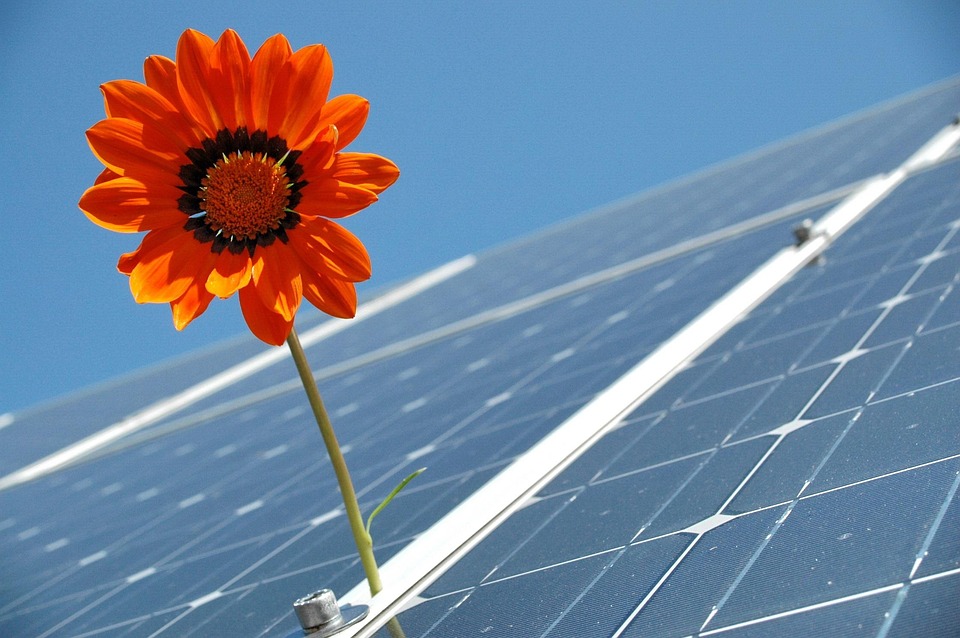
Powering the Future: A Battle Between Solar and Wind Energy
As the world continues to grapple with the effects of climate change and the need to transition to more sustainable sources of energy, the battle between solar and wind energy has become a central focus. Both technologies have their strengths and weaknesses, and each has its own proponents and detractors. In this article, we will explore the key differences between solar and wind energy, their potential impact on the future of energy production, and the ongoing debate over which technology will ultimately prevail.
The Rise of Solar Energy
Solar energy has experienced a rapid rise in popularity in recent years, thanks in large part to falling costs and technological advancements. Solar panels, which convert sunlight into electricity, can be installed on rooftops, in fields, or even in space. Solar energy is clean, renewable, and abundant, making it an attractive option for countries looking to reduce their carbon footprint and move away from fossil fuels.
One of the key advantages of solar energy is its scalability. Solar panels can be installed on a small scale, such as on a single home or business, or on a larger scale, such as in a solar farm. This flexibility allows solar energy to be deployed in a wide range of settings, from remote villages in developing countries to urban centers in industrialized nations.
Another advantage of solar energy is its reliability. Unlike fossil fuels, which are subject to price fluctuations and supply disruptions, sunlight is abundant and predictable. This makes solar energy a stable source of electricity that can help reduce the risk of blackouts and power outages.
The Promise of Wind Energy
Wind energy, like solar energy, is a clean and renewable source of power. Wind turbines, which harness the kinetic energy of the wind to generate electricity, have become a common sight in many parts of the world. Wind energy is particularly well-suited to areas with strong and consistent wind patterns, such as coastal regions and high-altitude locations.
One of the key advantages of wind energy is its cost-effectiveness. Wind turbines have a relatively low upfront cost compared to other forms of renewable energy, and they have a long lifespan, typically lasting 20-25 years or more. This makes wind energy an attractive option for countries looking to reduce their reliance on fossil fuels without breaking the bank.
Another advantage of wind energy is its energy density. Wind turbines can generate a significant amount of electricity from a relatively small footprint, making them an efficient use of land resources. This is especially important in densely populated areas where land is at a premium.
The Debate: Solar vs. Wind
While both solar and wind energy have their strengths, there is ongoing debate over which technology is superior. Proponents of solar energy argue that it is more versatile and can be deployed in a wider range of settings, while proponents of wind energy point to its cost-effectiveness and energy density.
One common argument against solar energy is its intermittent nature. Because solar panels only generate electricity when the sun is shining, they require backup power sources, such as batteries or fossil fuel generators, to ensure a steady supply of electricity. This can add to the overall cost of a solar energy system and make it less competitive with other forms of energy production.
On the other hand, one common argument against wind energy is its impact on wildlife and landscapes. Wind turbines can be noisy and disruptive to local ecosystems, and they can pose a hazard to birds and bats. Additionally, some people find wind turbines visually unappealing and argue that they can decrease property values in the vicinity.
The Future of Energy Production
Despite the ongoing debate over solar vs. wind energy, both technologies have a crucial role to play in the future of energy production. As the world continues to move away from fossil fuels and towards more sustainable sources of power, solar and wind energy will be key components of the energy mix.
In many cases, solar and wind energy can complement each other. For example, solar panels tend to generate more electricity during the day when the sun is shining, while wind turbines tend to generate more electricity at night when the wind is blowing. By combining these two technologies, countries can create a more stable and reliable source of electricity that can meet the needs of their populations.
Ultimately, the battle between solar and wind energy is not a zero-sum game. Both technologies have their strengths and weaknesses, and both have a role to play in powering the future. By embracing a diverse range of renewable energy sources, countries can reduce their carbon footprint, create jobs, and secure a more sustainable future for generations to come.
Conclusion
In conclusion, the battle between solar and wind energy is a complex and ongoing debate that will continue to shape the future of energy production. Both technologies have their strengths and weaknesses, and both have a crucial role to play in the transition to a more sustainable energy system. By understanding the key differences between solar and wind energy, we can make more informed decisions about how to power our world in the years to come.
Whether you are a homeowner considering installing solar panels on your roof, a policy maker looking to promote renewable energy, or a concerned citizen hoping to reduce your carbon footprint, the choice between solar and wind energy is an important one. By weighing the pros and cons of each technology and considering their potential impact on the environment, we can work towards a future powered by clean, renewable energy sources that will benefit us all.