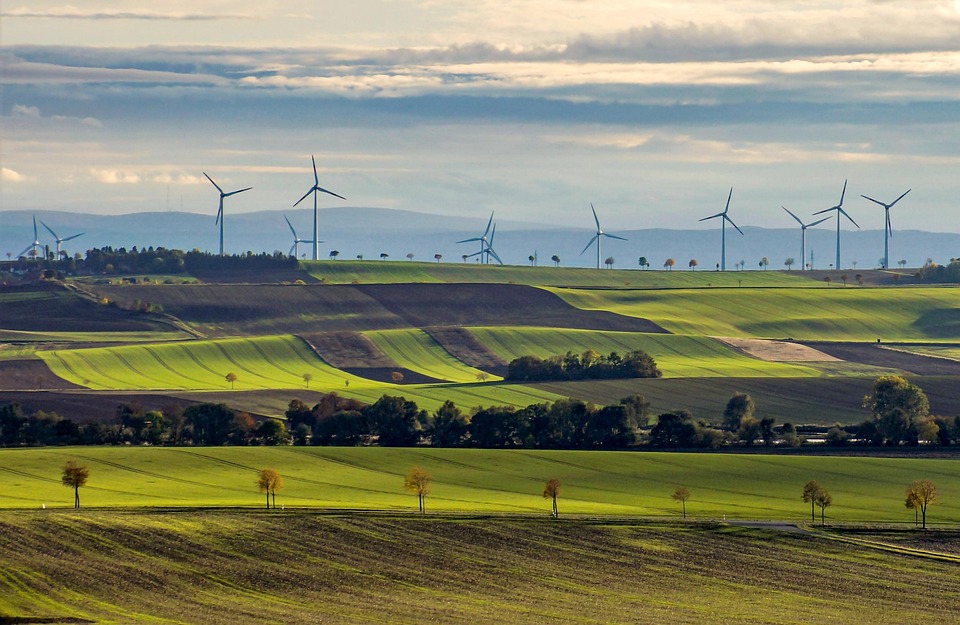
Powering the Future: The Vital Importance of Renewable Energy
As we move further into the 21st century, the topic of renewable energy has become increasingly important. With the world facing the threat of climate change, it has become imperative that we transition away from fossil fuels and towards cleaner, more sustainable sources of power. Renewable energy, such as solar, wind, and hydroelectric power, offers a solution to this pressing issue. In this article, we will explore the vital importance of renewable energy and why it is crucial for powering the future.
The Need for Renewable Energy
One of the key reasons why renewable energy is so vital is its environmental benefits. Fossil fuels, such as coal and oil, produce harmful greenhouse gas emissions when burned for energy. These emissions are a major contributor to climate change, which has far-reaching and devastating effects on our planet. By transitioning to renewable energy sources, we can significantly reduce our carbon footprint and help mitigate the impacts of climate change.
Renewable energy also offers a more sustainable alternative to finite fossil fuels. As the world’s population continues to grow and energy demand increases, it is becoming increasingly clear that we cannot rely on fossil fuels indefinitely. Renewable energy sources, on the other hand, are abundant and inexhaustible, making them a more reliable long-term solution for meeting our energy needs.
The Benefits of Renewable Energy
There are numerous benefits to using renewable energy sources. One of the most obvious advantages is that they are clean and environmentally friendly. Unlike fossil fuels, renewable energy sources do not produce harmful emissions that contribute to air pollution and climate change. This makes them a much more sustainable and responsible choice for powering our homes, businesses, and communities.
Renewable energy sources are also more cost-effective in the long run. While the initial investment in renewable energy infrastructure may be higher than traditional fossil fuel systems, the operational costs are typically lower. Additionally, renewable energy sources are becoming increasingly competitive with fossil fuels as technology advances and economies of scale are achieved. This means that over time, renewable energy will become a more affordable and attractive option for consumers and businesses alike.
The Role of Renewable Energy in Powering the Future
Renewable energy will play a crucial role in powering the future for several reasons. Firstly, renewable energy sources are more sustainable and environmentally friendly than fossil fuels, making them essential for combating climate change and reducing our carbon footprint. Secondly, renewable energy offers a more reliable and secure source of power, as it is not subject to the same geopolitical risks and price fluctuations as fossil fuels.
Furthermore, renewable energy sources are becoming increasingly accessible and affordable, making them a viable option for a wide range of applications. From powering homes and businesses to fueling transportation and industry, renewable energy has the potential to revolutionize the way we generate and use power. By investing in renewable energy infrastructure and technology, we can create a more resilient and sustainable energy system that will benefit future generations.
Common Questions About Renewable Energy
What are the main types of renewable energy sources?
There are several main types of renewable energy sources, including:
- Solar energy: generated using photovoltaic cells that convert sunlight into electricity
- Wind energy: generated using wind turbines that convert the kinetic energy of wind into electricity
- Hydroelectric energy: generated using the kinetic energy of flowing water to produce electricity
- Biomass energy: generated using organic materials such as wood, crops, and waste to produce heat and electricity
How can I incorporate renewable energy into my home or business?
There are several ways to incorporate renewable energy into your home or business, including:
- Installing solar panels on your roof to generate electricity from sunlight
- Using a wind turbine to generate electricity from the wind
- Switching to a renewable energy provider that sources power from renewable sources
- Implementing energy efficiency measures to reduce your overall energy consumption
What are the challenges facing the widespread adoption of renewable energy?
While renewable energy has many benefits, there are also challenges facing its widespread adoption, including:
- The need for significant investment in infrastructure and technology
- The intermittency of certain renewable energy sources, such as solar and wind
- The need for policy and regulatory support to promote renewable energy development
- The resistance of entrenched fossil fuel industries to change
Conclusion
Renewable energy is a vital and essential component of our energy future. By transitioning away from fossil fuels and towards cleaner, more sustainable sources of power, we can help combat climate change, reduce our carbon footprint, and create a more secure and resilient energy system. While there are challenges facing the widespread adoption of renewable energy, the benefits far outweigh the costs. Investing in renewable energy now will pay dividends in the future, both for our planet and for future generations.
It is clear that we cannot afford to delay the transition to renewable energy any longer. The time to act is now, and by embracing renewable energy, we can power a brighter and more sustainable future for all.
Keywords: renewable energy, climate change, sustainability, fossil fuels, solar energy, wind energy, hydroelectric energy, biomass energy, energy sources