Powering Your Home Sustainably: Embracing Renewable Energy Solutions
As concerns about climate change and environmental sustainability continue to grow, many homeowners are looking for ways to reduce their carbon footprint and embrace renewable energy solutions. One of the most effective ways to power your home sustainably is by investing in renewable energy sources such as solar, wind, and geothermal power. In this article, we will explore the benefits of these renewable energy solutions and provide you with valuable information on how to incorporate them into your home.
The Benefits of Renewable Energy
Renewable energy sources offer a wide range of benefits for homeowners looking to power their homes sustainably. One of the most significant advantages of using renewable energy is that it reduces your reliance on fossil fuels, which are a major contributor to climate change. By using renewable energy sources, you can significantly reduce your carbon footprint and help protect the environment for future generations.
In addition to reducing your environmental impact, using renewable energy sources can also help you save money on your energy bills. Solar panels, wind turbines, and geothermal systems can all help you generate your own electricity, reducing your reliance on the grid and lowering your overall energy costs. Over time, the savings from using renewable energy can add up, making it a cost-effective option for many homeowners.
Solar Power
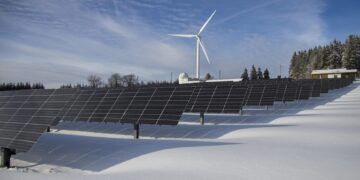
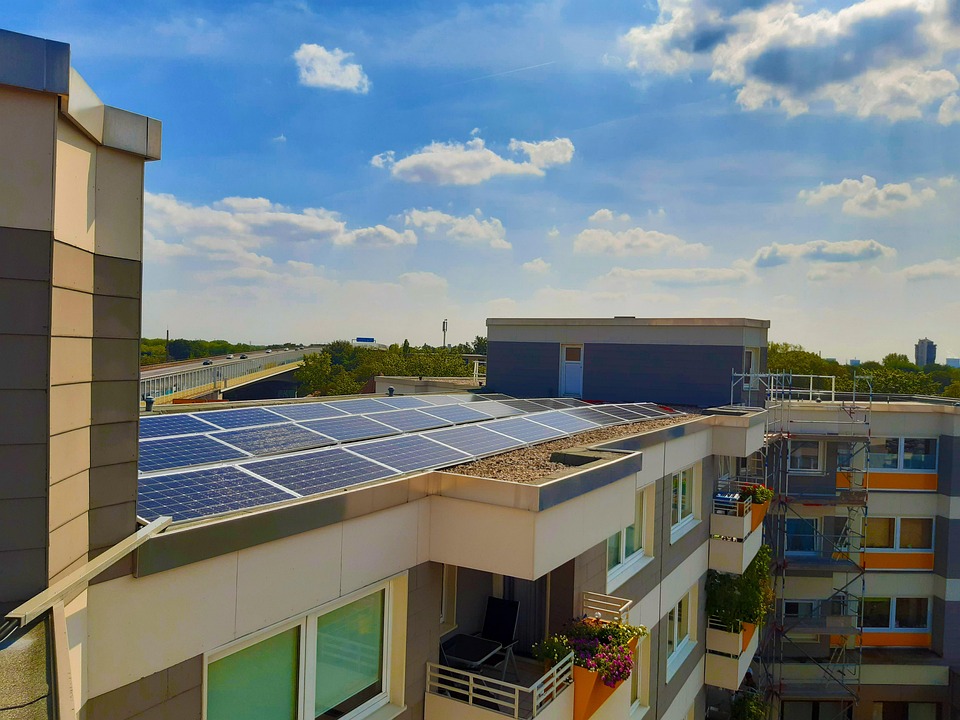
Solar power is one of the most popular renewable energy sources for homeowners. Solar panels are installed on the roof of your home and capture sunlight to generate electricity. This electricity can then be used to power your home or stored in batteries for later use. Solar power is a clean and renewable energy source that can help you reduce your reliance on the grid and lower your energy bills.
There are a few different types of solar panels available, including monocrystalline, polycrystalline, and thin-film panels. Each type has its own advantages and disadvantages, so it’s essential to research your options and choose the best solar panels for your home. Additionally, you may be eligible for tax credits or rebates for installing solar panels, making them an even more attractive option for many homeowners.
Wind Power
Wind power is another renewable energy source that can help you power your home sustainably. Wind turbines are installed on your property and use the wind to generate electricity. Like solar power, wind power is a clean and renewable energy source that can help you reduce your carbon footprint and save money on your energy bills.
One of the advantages of wind power is that it can be more consistent than solar power, as the wind is always blowing somewhere. This means that you can generate electricity even on cloudy days or at night when solar panels may not be as effective. However, wind turbines can be more expensive to install and maintain than solar panels, so it’s essential to consider the costs and benefits before investing in wind power for your home.
Geothermal Power
Geothermal power is a lesser-known renewable energy source that can help you power your home sustainably. Geothermal systems use the heat stored beneath the Earth’s surface to generate electricity and heat your home. This clean and renewable energy source can help you reduce your reliance on fossil fuels and lower your energy bills.
One of the advantages of geothermal power is that it can be more efficient than other renewable energy sources, as the Earth’s heat is a constant and reliable source of energy. Geothermal systems can also be used to heat your home in the winter and cool it in the summer, making them a versatile option for homeowners looking to reduce their energy consumption. While geothermal systems can be more expensive to install upfront, the long-term savings and environmental benefits can make them a worthwhile investment for many homeowners.
How to Incorporate Renewable Energy into Your Home
If you’re interested in powering your home sustainably with renewable energy sources, there are a few steps you can take to get started. The first step is to assess your energy needs and determine which renewable energy sources are best suited for your home. Consider factors such as your location, budget, and energy consumption to help you choose the right renewable energy solution for your needs.
Once you’ve chosen a renewable energy source, the next step is to find a reputable installer who can help you design and install your system. Make sure to research multiple installers, read reviews, and get quotes to ensure you’re getting the best deal for your renewable energy system. Additionally, check with your local government or utility company to see if there are any incentives or rebates available for installing renewable energy systems in your area.
After your renewable energy system is installed, make sure to monitor its performance regularly to ensure it’s operating efficiently. Keep an eye on your energy bills and track your energy production to see how much money you’re saving with your renewable energy system. If you encounter any issues or notice a decrease in performance, contact your installer for assistance in troubleshooting and maintenance.
Conclusion
Powering your home sustainably with renewable energy sources such as solar, wind, and geothermal power can help you reduce your carbon footprint, save money on your energy bills, and protect the environment for future generations. By embracing renewable energy solutions, you can take control of your energy consumption and make a positive impact on the planet. If you’re interested in incorporating renewable energy into your home, take the time to research your options, find a reputable installer, and monitor your system’s performance to ensure it’s operating efficiently. With the right approach, you can power your home sustainably and enjoy the many benefits of renewable energy.