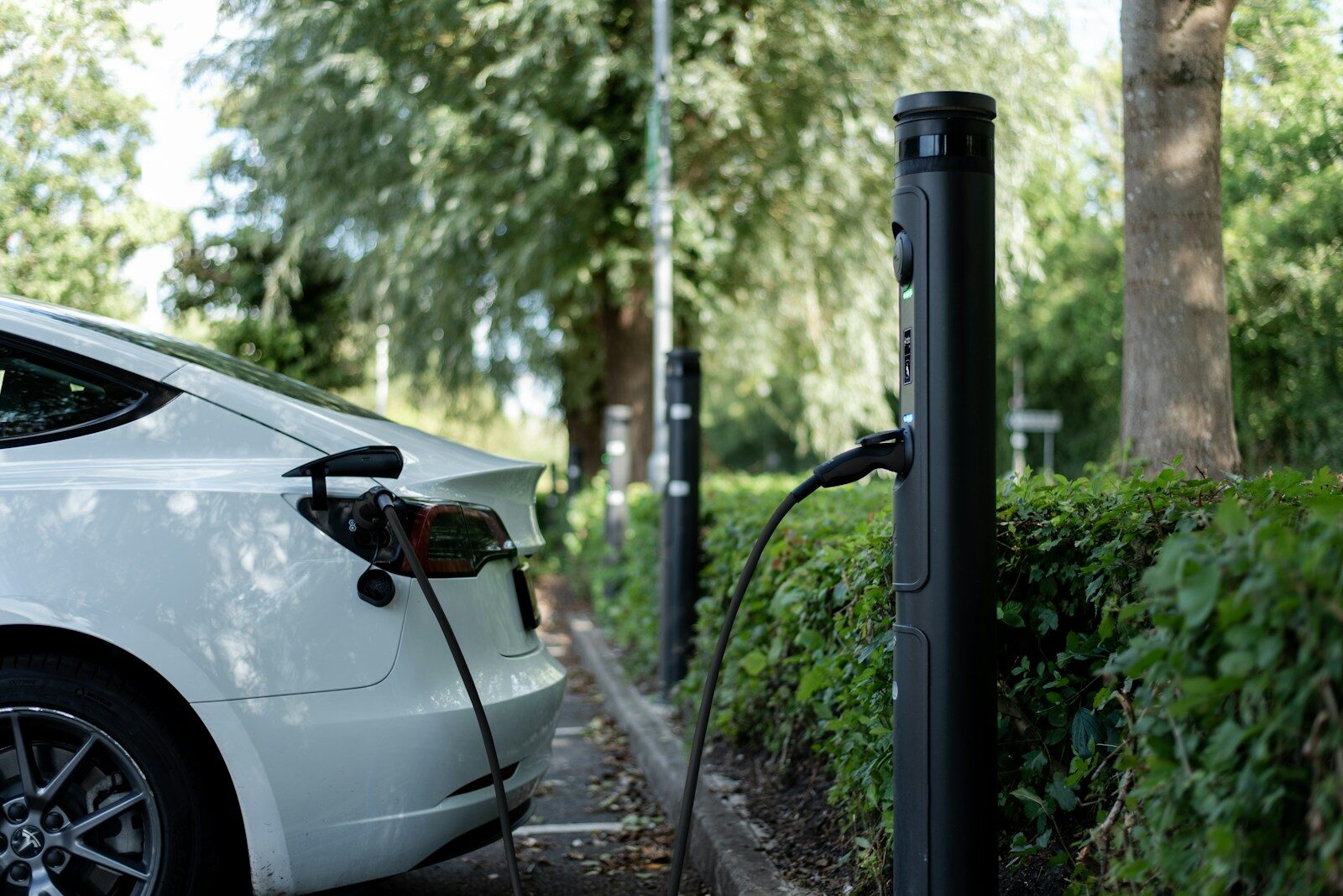
Revolutionizing Transportation: The Green Future of Electric Cars
With the increasing concern over climate change and the push towards sustainability, electric cars have emerged as a promising solution to reduce emissions and revolutionize transportation. As technology continues to advance, electric vehicles (EVs) are becoming more accessible, affordable, and efficient, making them a viable option for environmentally-conscious consumers. In this article, we will explore the green future of electric cars and how they are reshaping the automotive industry.
The Rise of Electric Cars
Electric cars have come a long way since their inception, with major advancements in battery technology, charging infrastructure, and range capabilities. As a result, EVs are no longer seen as niche vehicles for eco-conscious early adopters, but as practical alternatives to traditional gasoline-powered cars. Major automakers such as Tesla, Nissan, Chevrolet, and BMW have been leading the charge in producing electric vehicles that are stylish, reliable, and high-performing.
Benefits of Electric Cars
There are numerous benefits to driving an electric car, both for the environment and for the driver. One of the most significant advantages of EVs is their zero-emission capabilities, meaning they do not produce harmful pollutants like greenhouse gases and carbon monoxide. This is crucial in reducing air pollution and mitigating the effects of climate change. Additionally, electric cars are more energy-efficient than gasoline cars, as they convert more of the energy stored in their batteries into power for the vehicle.
Cost Savings
While the upfront cost of an electric car may be higher than a traditional gasoline car, the long-term savings can be substantial. EVs have lower maintenance costs, as they have fewer moving parts and do not require oil changes or tune-ups. Furthermore, the cost of electricity is typically lower than gasoline, resulting in savings on fuel expenses. Incentives such as tax credits and rebates are also available for EV buyers, making them even more affordable.
Charging Infrastructure
One of the main concerns for potential electric car buyers is the availability of charging stations. However, the charging infrastructure for EVs is rapidly expanding, with more public charging stations being installed in urban areas, along highways, and at workplaces. Home charging solutions are also becoming more common, allowing EV owners to charge their vehicles overnight in their garage or driveway. With advancements in fast-charging technology, drivers can quickly recharge their EVs in a matter of minutes, similar to refueling a gasoline car.
Range Anxiety
Range anxiety, or the fear of running out of battery power while driving, has been a common barrier for widespread adoption of electric cars. However, modern EVs have significantly improved their range capabilities, with some models able to travel over 300 miles on a single charge. As battery technology continues to evolve, range anxiety is becoming less of a concern for drivers, especially with the growing availability of fast-charging stations.
The Future of Electric Cars
The future of electric cars is bright, with continued innovation driving the development of more efficient, affordable, and sustainable vehicles. Automakers are investing heavily in electric vehicle technology, with plans to release new models with longer ranges, faster charging times, and enhanced features. Governments around the world are also implementing policies to incentivize the adoption of electric cars, such as emissions regulations, fuel efficiency standards, and financial incentives for EV buyers.
Key Challenges
While electric cars offer numerous benefits, there are still some challenges that need to be addressed for widespread adoption. The infrastructure for charging stations needs to be further expanded to accommodate the growing number of EVs on the road. Battery technology also needs to continue to improve in terms of energy density, cost, and longevity. Additionally, there is a need for more education and awareness about the benefits of electric cars and how they can help combat climate change.
Environmental Impact
Electric cars have the potential to significantly reduce greenhouse gas emissions and air pollution, especially when recharged with renewable energy sources such as solar or wind power. However, the production and disposal of electric car batteries can have environmental impacts, as they contain materials such as lithium, cobalt, and nickel that need to be mined and processed. Recycling and reusing batteries can help mitigate these impacts and create a more sustainable lifecycle for EVs.
Technological Advancements
Advancements in technology are driving the evolution of electric cars, with improvements in battery performance, charging speeds, and autonomous driving capabilities. Electric vehicles are becoming more connected and intelligent, with features such as over-the-air updates, driver assistance systems, and smart navigation tools. As electric cars become more integrated with smart grids and renewable energy sources, they have the potential to become key players in the transition to a greener transportation system.
Consumer Adoption
Consumer acceptance and adoption of electric cars are crucial for the success of the green future of transportation. Automakers need to continue to educate consumers about the benefits of EVs, dispel myths and misconceptions, and make electric cars more appealing and accessible to a wider audience. Government incentives and policies can also play a significant role in encouraging consumers to make the switch to electric vehicles and reduce their carbon footprint.
Conclusion
Electric cars are revolutionizing transportation and paving the way for a more sustainable and environmentally-friendly future. With advancements in technology, improvements in infrastructure, and a growing awareness of the benefits of EVs, electric cars are becoming a mainstream option for drivers around the world. As we continue to transition towards a greener transportation system, electric cars will play a key role in reducing emissions, combating climate change, and creating a cleaner and healthier planet for future generations.
Are you ready to join the electric car revolution and drive towards a greener future?