Taking Action: Practical Ways to Combat Global Warming and Save Our Planet
Global warming is a pressing issue that affects us all. The Earth’s climate is changing at an alarming rate, leading to rising sea levels, extreme weather events, and threats to biodiversity. It is imperative that we take action now to combat global warming and save our planet for future generations.
Understanding Global Warming
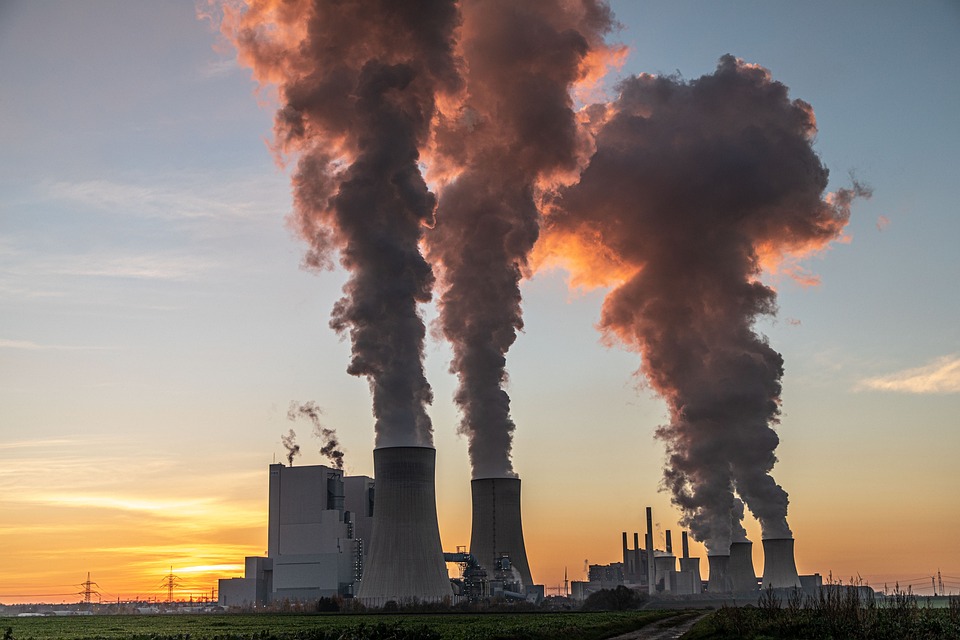
Global warming is the gradual increase in the Earth’s average temperature due to the release of greenhouse gases into the atmosphere. These gases, such as carbon dioxide and methane, trap heat from the sun, leading to a warming effect known as the greenhouse effect. Human activities, such as burning fossil fuels and deforestation, are major contributors to the increase in greenhouse gases in the atmosphere.
The Consequences of Global Warming
The consequences of global warming are far-reaching and severe. Rising temperatures can lead to melting ice caps, which contribute to rising sea levels and threaten coastal communities. Extreme weather events, such as hurricanes, droughts, and wildfires, are becoming more frequent and intense due to global warming. Biodiversity is also at risk, as many plant and animal species are unable to adapt to rapidly changing environments.
Practical Ways to Combat Global Warming
While the issue of global warming may seem overwhelming, there are practical steps that individuals can take to make a difference. By making small changes in our daily lives, we can reduce our carbon footprint and help combat global warming. Here are some practical ways to take action:
Reduce, Reuse, Recycle
One of the most effective ways to combat global warming is to reduce waste by reusing and recycling materials. By recycling paper, plastic, and glass, we can conserve resources and reduce the amount of waste that ends up in landfills. Additionally, by reducing our consumption of single-use items, such as plastic bags and water bottles, we can decrease the demand for fossil fuels used to produce these products.
Conserve Energy
Another important way to combat global warming is to conserve energy in our homes and workplaces. By using energy-efficient appliances, turning off lights when not in use, and insulating our homes, we can reduce our energy consumption and decrease our carbon emissions. Additionally, by switching to renewable energy sources, such as solar or wind power, we can further reduce our impact on the environment.
Support Sustainable Practices
Supporting businesses and organizations that prioritize sustainability is another way to combat global warming. By choosing to purchase products from companies that use eco-friendly practices and support renewable energy initiatives, we can help drive demand for sustainable products and services. Additionally, by advocating for policies that promote sustainability, such as carbon pricing and renewable energy incentives, we can encourage positive change on a larger scale.
Common Questions About Global Warming
As awareness of global warming grows, many people have questions about the issue and how they can make a difference. Here are some common questions about global warming, along with answers to help clarify the issue:
What is the difference between global warming and climate change?
Global warming refers specifically to the increase in the Earth’s average temperature, while climate change encompasses broader changes in the Earth’s climate system. Global warming is a major contributing factor to climate change, as rising temperatures can lead to shifts in weather patterns and other environmental changes.
What are the main causes of global warming?
The main causes of global warming are the release of greenhouse gases into the atmosphere from human activities, such as burning fossil fuels, deforestation, and industrial processes. These gases trap heat from the sun, leading to a warming effect that contributes to global warming.
How can individuals make a difference in combating global warming?
Individuals can make a difference in combating global warming by making small changes in their daily lives to reduce their carbon footprint. This can include actions such as reducing waste, conserving energy, and supporting sustainable practices. By taking these steps, individuals can help contribute to the fight against global warming and protect the planet for future generations.
Conclusion
Global warming is a critical issue that requires urgent action from individuals, businesses, and governments. By making small changes in our daily lives, such as reducing waste, conserving energy, and supporting sustainable practices, we can help combat global warming and save our planet for future generations. It is essential that we all work together to address this pressing issue and create a more sustainable future for all.
Together, we can make a difference in combating global warming and protecting the Earth for future generations.