Global warming is a pressing issue that affects every living being on Earth. The rise in temperatures, extreme weather events, melting ice caps, and rising sea levels are all indicators of the impact of global warming on our planet. In order to address this crisis effectively, it is essential to understand the root causes of global warming. In this article, we will delve into the burning truth behind global warming and uncover the factors that contribute to this environmental catastrophe.
What is Global Warming?
Before we dive into the root causes of global warming, let’s first define what it is. Global warming refers to the long-term increase in Earth’s average surface temperature due to human activities, primarily the burning of fossil fuels such as coal, oil, and gas. These activities release greenhouse gases like carbon dioxide (CO2) into the atmosphere, trapping heat and causing the planet to warm up.
The Role of Greenhouse Gases
Greenhouse gases are the main culprits behind global warming. These gases, including CO2, methane, nitrous oxide, and fluorinated gases, create a “greenhouse effect” by trapping heat in the Earth’s atmosphere. This leads to an increase in temperatures, which in turn causes a range of environmental problems such as melting ice caps, rising sea levels, and more frequent and severe weather events.
Fossil Fuel Consumption
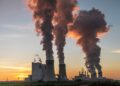
One of the primary drivers of global warming is the burning of fossil fuels for energy production. Fossil fuels are non-renewable sources of energy that release large amounts of CO2 and other greenhouse gases when burned. The transportation sector, industrial activities, and the generation of electricity are all major contributors to the emission of greenhouse gases.
Deforestation
Another significant factor contributing to global warming is deforestation. Trees play a crucial role in absorbing CO2 from the atmosphere and storing it as carbon. When forests are cleared for agriculture, logging, or urban development, this carbon is released back into the atmosphere, exacerbating the greenhouse effect. Deforestation also reduces the planet’s ability to absorb CO2, leading to higher levels of greenhouse gases in the atmosphere.
Agriculture and Livestock Farming
Agriculture and livestock farming are also major contributors to global warming. The use of synthetic fertilizers releases nitrous oxide, a potent greenhouse gas, into the atmosphere. Livestock farming, particularly cattle farming, produces methane, another powerful greenhouse gas. Both of these activities contribute to the overall increase in greenhouse gas emissions and exacerbate global warming.
Industrial Activities
Industrial activities such as manufacturing, mining, and construction also play a significant role in global warming. These activities release large amounts of CO2 and other greenhouse gases into the atmosphere, contributing to the overall increase in global temperatures. The production of cement, for example, is a major source of CO2 emissions due to the chemical process involved in its manufacture.
The Impact of Global Warming
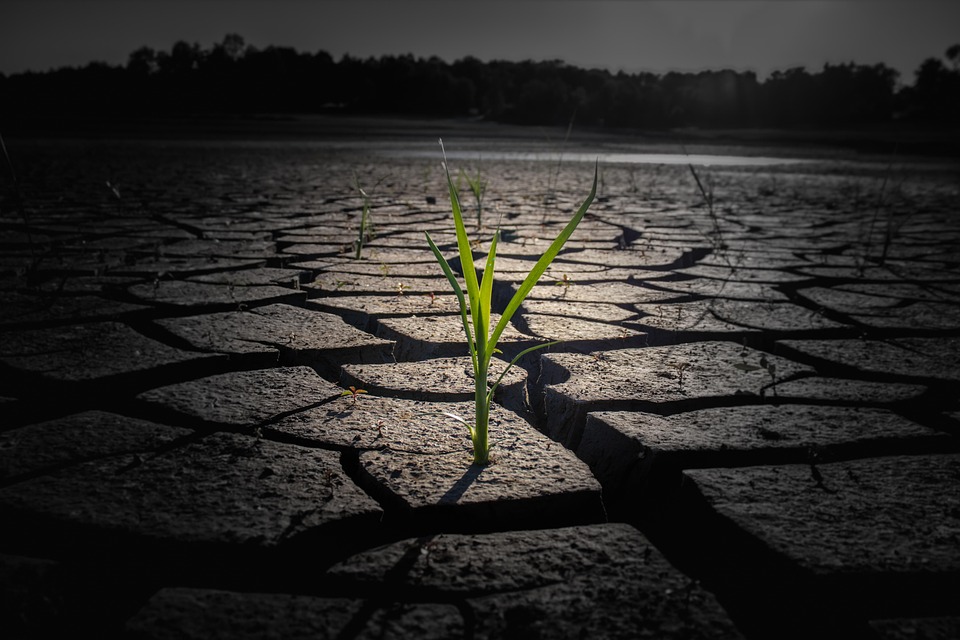
The consequences of global warming are far-reaching and severe. Rising temperatures lead to changes in climate patterns, resulting in more frequent and intense heatwaves, droughts, floods, and storms. Melting ice caps and glaciers contribute to rising sea levels, threatening coastal communities and ecosystems. The loss of biodiversity, food insecurity, and the spread of infectious diseases are all consequences of global warming.
Solutions to Global Warming
Addressing global warming requires a multifaceted approach that tackles the root causes of this environmental crisis. Transitioning to renewable sources of energy such as solar, wind, and hydropower can help reduce greenhouse gas emissions from fossil fuels. Investing in energy-efficient technologies and practices can also help lower emissions from industrial activities and transportation.
Reforestation and Sustainable Agriculture
Protecting and restoring forests through reforestation efforts can help sequester carbon from the atmosphere and mitigate the impacts of deforestation. Sustainable agriculture practices such as organic farming and agroforestry can reduce emissions from agriculture and livestock farming while promoting biodiversity and soil health.
Policy and Regulation
Governments play a crucial role in addressing global warming through the implementation of policies and regulations that promote sustainability and reduce greenhouse gas emissions. Carbon pricing mechanisms, renewable energy targets, and emissions trading schemes are some of the tools that governments can use to incentivize the transition to a low-carbon economy.
Individual Action
While systemic changes are essential to combat global warming, individual actions can also make a significant impact. Simple steps such as reducing energy consumption, using public transportation, recycling, and supporting sustainable businesses can help lower greenhouse gas emissions and contribute to a more sustainable future for our planet.
Conclusion
Global warming is a complex and multifaceted issue that requires a collective effort to address. By understanding the root causes of global warming and taking action to reduce greenhouse gas emissions, we can mitigate the impacts of climate change and create a more sustainable future for generations to come. It is crucial that we work together to tackle this pressing environmental crisis and protect the health and well-being of our planet.