The Cold Hard Truth: Uncovering the Reality of Global Warming for Students
Global warming is one of the most pressing issues of our time, and it is crucial for students to understand the reality of this environmental crisis. In this article, we will delve into the cold hard truth of global warming, addressing common questions and providing valuable information for students to grasp the severity of the situation.
What is Global Warming?
Global warming refers to the long-term increase in Earth’s average surface temperature due to human activities, such as burning fossil fuels and deforestation. The primary driver of global warming is the release of greenhouse gases, such as carbon dioxide and methane, into the atmosphere, which trap heat and cause the planet to warm.
Why Should Students Care About Global Warming?
Students should care about global warming because it has far-reaching implications for their future and the future of the planet. The impacts of global warming include rising sea levels, more frequent and severe extreme weather events, loss of biodiversity, and disruptions to ecosystems. By understanding the reality of global warming, students can take action to mitigate its effects and create a more sustainable future.
How Does Global Warming Affect the Environment?
Global warming affects the environment in numerous ways, including:
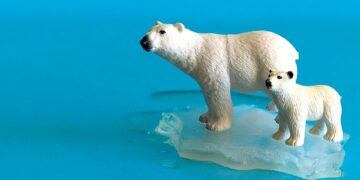
- Rising sea levels: As temperatures rise, ice caps and glaciers melt, leading to a rise in sea levels. This can result in coastal flooding and erosion.
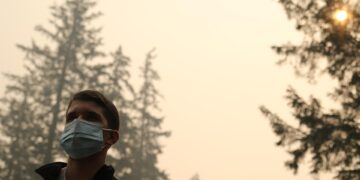
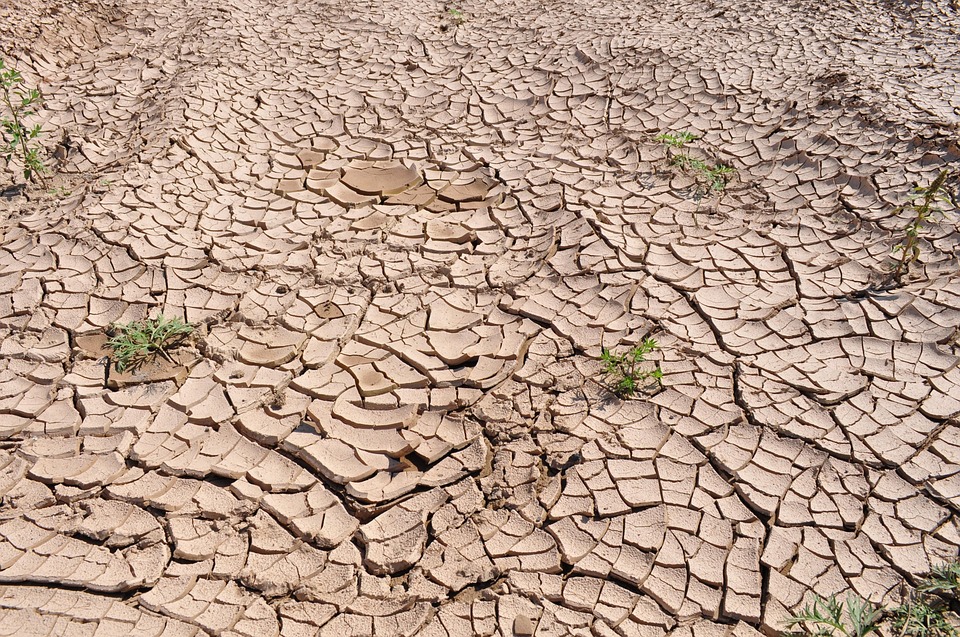
- Extreme weather events: Global warming can lead to more frequent and severe heatwaves, storms, and hurricanes, causing damage to infrastructure and endangering lives.
- Loss of biodiversity: Many plant and animal species are unable to adapt to rapid changes in temperature and habitat, leading to a loss of biodiversity.
- Disruptions to ecosystems: Global warming can disrupt ecosystems by altering the distribution of species, changing the timing of natural events, and causing shifts in food chains.
What Can Students Do to Combat Global Warming?
While global warming is a complex and daunting issue, students can take action to combat its effects. Some ways students can help include:
- Reduce energy consumption: Students can reduce their energy consumption by turning off lights and electronics when not in use, using energy-efficient appliances, and carpooling or using public transportation.
- Reduce waste: Students can reduce waste by recycling, composting, and avoiding single-use plastics.
- Plant trees: Trees absorb carbon dioxide from the atmosphere and help mitigate the effects of global warming. Students can participate in tree-planting initiatives in their communities.
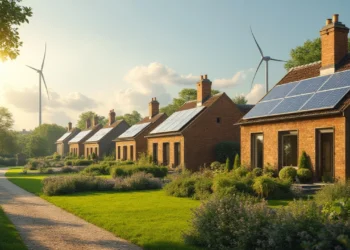
- Advocate for change: Students can advocate for policies that reduce greenhouse gas emissions, such as supporting renewable energy sources and sustainable practices.
The Future of Global Warming
The future of global warming is uncertain, but one thing is clear: if we do not take action to reduce greenhouse gas emissions and mitigate the effects of global warming, the consequences will be severe. It is up to students and future generations to lead the charge in creating a more sustainable and resilient world.
By understanding the reality of global warming and taking action to combat its effects, students can make a positive impact on the environment and help secure a better future for themselves and future generations.
Conclusion
Global warming is a reality that students must confront, but it is also a challenge that presents opportunities for positive change. By educating themselves about the causes and effects of global warming, students can become informed advocates for environmental sustainability and take action to protect the planet for future generations.
It is crucial for students to understand the cold hard truth of global warming and the role they can play in addressing this pressing issue. By taking action now, students can help create a more sustainable and resilient world for themselves and future generations.