The Earth’s Cry: Uncovering the Devastating Effects of Human Influence on Our Environment
Introduction
Our planet Earth is facing a crisis unlike any other in its history. The devastating effects of human influence on our environment are becoming increasingly apparent, as we witness the destruction of ecosystems, the loss of biodiversity, and the onset of climate change. In this article, we will delve into the ways in which human activities have contributed to these issues, and explore what can be done to mitigate their impact.
Impact of Deforestation
One of the most significant ways in which human influence has affected the environment is through deforestation. Forests play a crucial role in regulating the Earth’s climate, as they absorb carbon dioxide from the atmosphere and release oxygen through photosynthesis. However, deforestation has led to a significant reduction in the Earth’s forest cover, resulting in increased levels of carbon dioxide in the atmosphere and contributing to global warming.
Furthermore, deforestation has also led to the loss of biodiversity, as many plant and animal species rely on forests for their survival. The destruction of forests has led to the extinction of numerous species, and has disrupted entire ecosystems. In addition, deforestation has also resulted in the loss of valuable resources, such as timber and medicinal plants, which has further exacerbated the issue.
Impact of Pollution
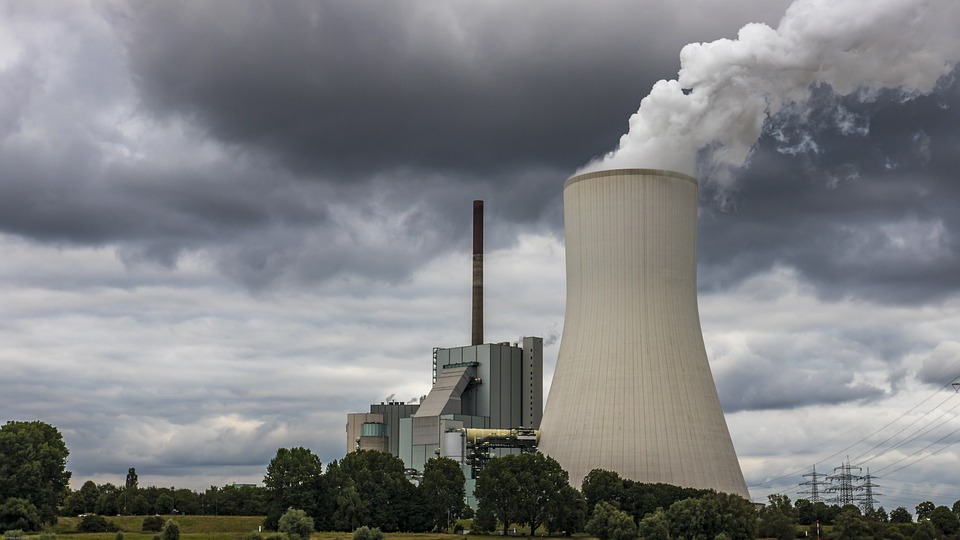
Another major issue caused by human influence is pollution. Pollution comes in many forms, including air pollution, water pollution, and soil pollution. These pollutants are released into the environment through various human activities, such as the burning of fossil fuels, industrial processes, and improper waste disposal.
Air pollution, in particular, has serious consequences for human health, as it can lead to respiratory problems, cardiovascular diseases, and even cancer. Water pollution, on the other hand, can contaminate drinking water sources and harm aquatic ecosystems. Soil pollution can also have detrimental effects on agriculture, as it can reduce soil fertility and crop yields.
Impact of Climate Change
Perhaps the most pressing issue caused by human influence on the environment is climate change. Climate change refers to the long-term changes in temperature, precipitation, and other climatic variables that result from human activities, such as the burning of fossil fuels and deforestation.
Climate change has already had a significant impact on the Earth’s climate, leading to more frequent and severe weather events, such as hurricanes, droughts, and heatwaves. It has also caused sea levels to rise, resulting in the loss of coastal habitats and threatening the livelihoods of millions of people who live in low-lying areas.
What Can Be Done
While the effects of human influence on the environment are indeed sobering, there are steps that can be taken to mitigate their impact. One of the most important actions that can be taken is to reduce our carbon footprint by transitioning to renewable sources of energy, such as solar and wind power. This can help reduce the amount of carbon dioxide that is released into the atmosphere, and slow down the rate of global warming.
In addition, efforts can be made to protect and restore ecosystems, such as forests and wetlands, which play a crucial role in regulating the Earth’s climate and supporting biodiversity. This can help preserve valuable habitats for plant and animal species, and ensure the long-term sustainability of our planet’s natural resources.
Conclusion
In conclusion, the devastating effects of human influence on our environment are becoming increasingly apparent, as we witness the destruction of ecosystems, the loss of biodiversity, and the onset of climate change. However, by taking action to reduce our carbon footprint, protect and restore ecosystems, and promote sustainability, we can help mitigate these issues and ensure a brighter future for our planet Earth.