The Earth’s Cry: Understanding the Devastating Effects of Human Impact on Our Environment
In recent years, there has been a growing awareness of the devastating effects of human impact on the environment. From deforestation to pollution, our actions are taking a toll on the planet we call home. In this article, we will explore the various ways in which human activities are harming the environment and discuss what steps can be taken to mitigate these effects.
Understanding Human Impact on the Environment
Human activities have a significant impact on the environment. The burning of fossil fuels for energy production, deforestation for agriculture, and industrial processes all contribute to the release of greenhouse gases into the atmosphere. These gases trap heat and lead to global warming, which in turn causes a host of environmental problems such as rising sea levels, extreme weather events, and loss of biodiversity.
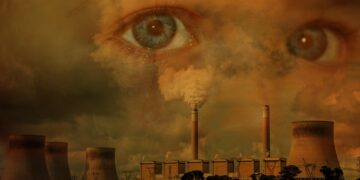
Pollution is another major issue caused by human activities. The release of chemicals and waste products into the air, water, and soil can have serious consequences for both the environment and human health. Air pollution, for example, is a major cause of respiratory diseases and can also contribute to climate change. Water pollution, on the other hand, can contaminate drinking water sources and harm aquatic ecosystems.
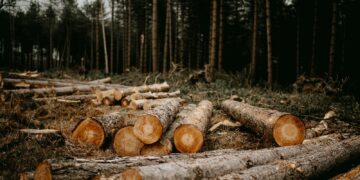
Deforestation is yet another significant driver of environmental degradation. Trees play a crucial role in absorbing carbon dioxide from the atmosphere and releasing oxygen, making them vital for maintaining a healthy global climate. When forests are cut down for agriculture or development, this natural carbon sink is lost, leading to increased levels of greenhouse gases in the atmosphere.
The Earth’s Cry: The Devastating Effects of Human Impact
The consequences of human impact on the environment are becoming increasingly apparent. From melting polar ice caps to devastating wildfires, the signs of climate change are all around us. Rising temperatures are leading to more frequent and severe heatwaves, droughts, and storms, putting both human populations and ecosystems at risk.
One of the most pressing issues facing the planet today is the loss of biodiversity. Human activities such as deforestation, overfishing, and pollution are driving many species to extinction at an alarming rate. This loss of biodiversity not only threatens the stability of ecosystems but also has serious implications for human well-being, as many essential resources such as food, medicine, and clean water depend on healthy ecosystems.
In addition to biodiversity loss, human impact on the environment is also leading to the degradation of essential ecosystems such as coral reefs, wetlands, and forests. These ecosystems provide valuable services such as flood control, water filtration, and carbon sequestration, but they are increasingly being destroyed or degraded by human activities.
Mitigating the Effects of Human Impact on the Environment
While the consequences of human impact on the environment are dire, there are steps that can be taken to mitigate these effects. One of the most important actions that individuals can take is to reduce their carbon footprint by using energy more efficiently, driving less, and supporting renewable energy sources. By reducing our reliance on fossil fuels, we can help slow the pace of climate change and reduce our impact on the environment.
Another key way to mitigate the effects of human impact on the environment is to protect and restore natural ecosystems. By conserving forests, wetlands, and other natural habitats, we can help preserve biodiversity, maintain essential ecosystem services, and sequester carbon from the atmosphere. Supporting conservation efforts and sustainable land management practices can go a long way in protecting the environment for future generations.
In addition to individual actions, governments and businesses also play a crucial role in addressing the challenges posed by human impact on the environment. Implementing policies that promote clean energy, sustainable agriculture, and responsible waste management can help reduce greenhouse gas emissions, protect natural resources, and support a more resilient and sustainable future.
Conclusion
The Earth’s cry is a wake-up call for all of us to take action to protect our planet and its precious ecosystems. By understanding the devastating effects of human impact on the environment and taking steps to mitigate these effects, we can help ensure a healthy and sustainable future for generations to come. From reducing our carbon footprint to supporting conservation efforts, each of us has a role to play in preserving the beauty and diversity of our planet. Let us heed the Earth’s cry and work together to create a more sustainable and resilient world for all.