The Earth’s Enemy Within: How Our Daily Habits Are Destroying the Planet
It’s no secret that human activities have had a detrimental impact on the environment. From deforestation to pollution, our daily habits are contributing to the destruction of our planet at an alarming rate. In this article, we will explore some of the ways in which our actions are harming the Earth, and what we can do to mitigate these effects.
Deforestation
One of the most significant ways in which humans are destroying the Earth is through deforestation. Every year, millions of acres of forests are cleared to make way for agriculture, urban development, and other purposes. This not only destroys vital habitats for countless species of plants and animals, but also contributes to climate change by releasing large amounts of carbon dioxide into the atmosphere.
To combat deforestation, it is essential that we support sustainable forestry practices and reduce our consumption of products that contribute to deforestation, such as palm oil and paper products made from virgin wood. By choosing to purchase products that are certified by organizations like the Forest Stewardship Council, we can help protect the world’s forests and the species that call them home.
Pollution
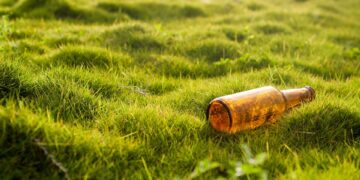
Another major way in which our daily habits are harming the planet is through pollution. Whether it’s air pollution from car emissions, water pollution from industrial runoff, or plastic pollution in our oceans, human activities are releasing harmful substances into the environment at an alarming rate.
To reduce pollution, we can take simple steps such as using public transportation or carpooling, reducing our use of single-use plastics, and properly disposing of hazardous waste. By making these small changes in our daily lives, we can help protect the environment and improve the health of our planet for future generations.
Climate Change
Perhaps the most pressing environmental issue of our time is climate change. The burning of fossil fuels for energy, transportation, and industrial purposes is releasing greenhouse gases into the atmosphere, causing global temperatures to rise and leading to a host of negative consequences such as more frequent and severe natural disasters, rising sea levels, and disruptions to ecosystems.
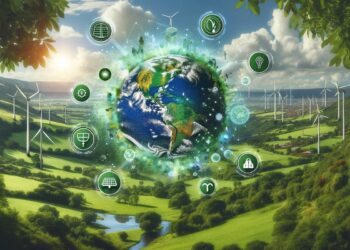
To combat climate change, we must transition to renewable sources of energy such as solar and wind power, reduce our carbon footprint by using energy more efficiently, and support policies that promote sustainability and conservation. By working together to address this urgent threat, we can help protect the planet and ensure a livable future for all species.
Waste Management
Our unsustainable consumption habits are also leading to a growing waste crisis. Landfills are overflowing with discarded products, plastic waste is polluting our oceans, and electronic waste is leaching toxic chemicals into the environment. It is essential that we rethink our approach to waste management and adopt more sustainable practices.
One way to reduce waste is to practice the three Rs: reduce, reuse, and recycle. By minimizing our consumption, finding creative ways to repurpose items, and recycling materials whenever possible, we can reduce the amount of waste that ends up in landfills and minimize our impact on the environment.
Biodiversity Loss
As we continue to alter the environment through deforestation, pollution, and climate change, we are also causing a significant loss of biodiversity. Species are disappearing at an alarming rate, with some experts estimating that we are currently in the midst of the sixth mass extinction event in Earth’s history.
To protect biodiversity, we must preserve natural habitats, support conservation efforts, and combat illegal wildlife trafficking. By working together to protect endangered species and restore ecosystems, we can help ensure the survival of all forms of life on Earth.
Conclusion
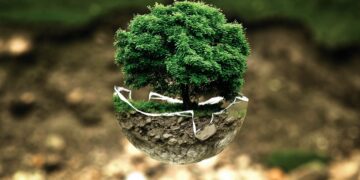
Our daily habits are having a profound impact on the planet, but by making small changes in our lives, we can help mitigate these effects and protect the environment for future generations. By supporting sustainable practices, reducing pollution, combating climate change, managing waste responsibly, and protecting biodiversity, we can all do our part to be better stewards of the Earth. Together, we can work towards a more sustainable future and ensure that our planet remains a healthy and vibrant home for all living beings.