The Global Crisis: Deforestation’s Devastating Impact on Our Climate
Deforestation is a critical issue that is impacting our climate on a global scale. The destruction of forests not only leads to the loss of biodiversity, but also contributes significantly to climate change. In this article, we will explore the devastating impact of deforestation on our climate and why it is essential to address this issue urgently.
What is Deforestation?
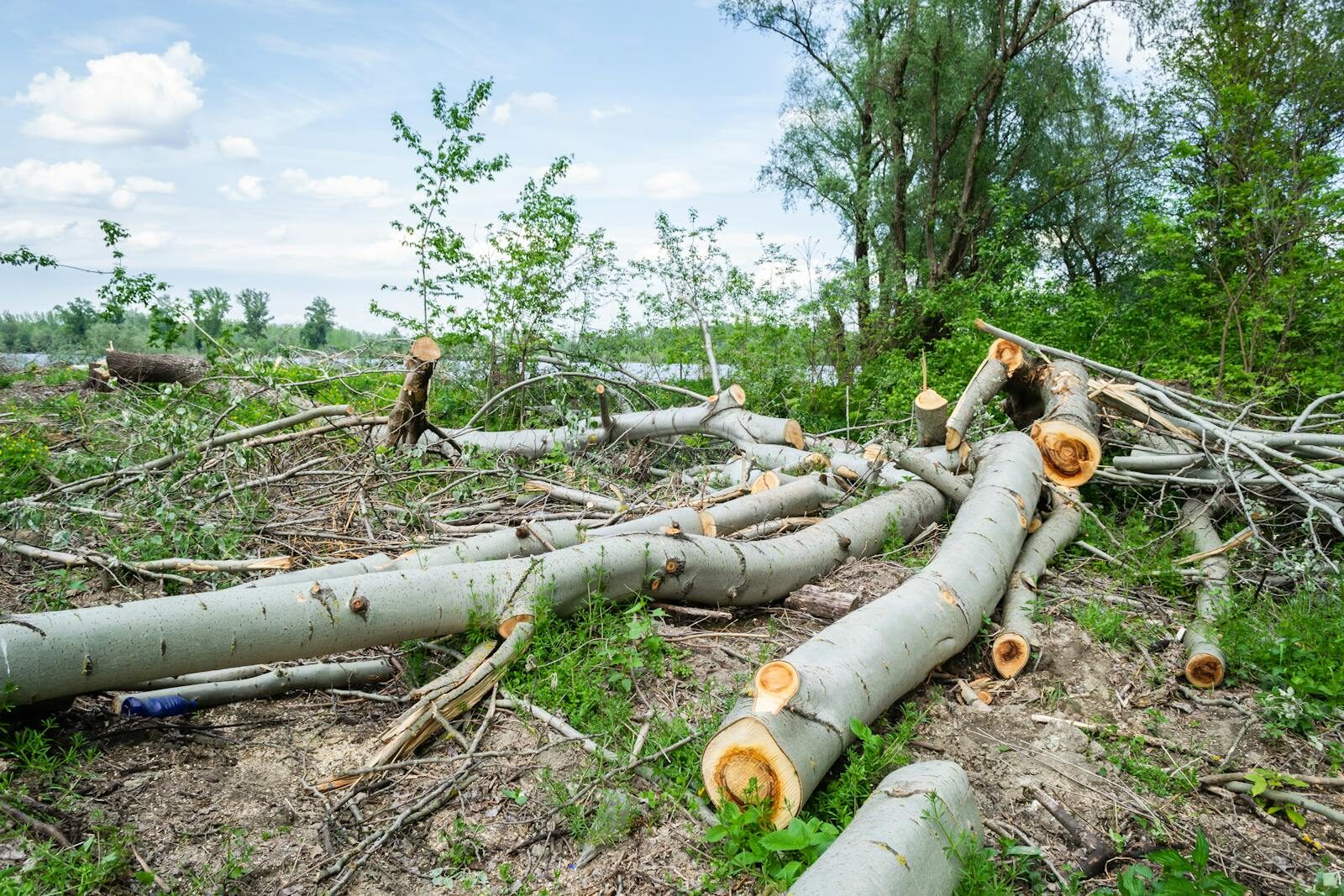
Deforestation refers to the clearing of forests for various purposes, such as agriculture, logging, and urbanization. This widespread practice has led to the loss of millions of acres of forested land around the world. According to the World Wildlife Fund, an estimated 18.7 million acres of forest are lost annually, equivalent to 27 soccer fields every minute.
The Impact on Climate Change
Forests play a crucial role in regulating the Earth’s climate. They act as carbon sinks, absorbing carbon dioxide from the atmosphere and storing it in trees and soil. When forests are cleared, this stored carbon is released back into the atmosphere, contributing to greenhouse gas emissions. Deforestation is responsible for approximately 15% of global carbon emissions, making it a significant driver of climate change.
Loss of Biodiversity
In addition to its impact on climate change, deforestation also leads to the loss of biodiversity. Forests are home to a vast array of plant and animal species, many of which are unique to these ecosystems. When forests are destroyed, these species lose their habitats and are at risk of extinction. The loss of biodiversity not only threatens the survival of these species but also disrupts the delicate balance of ecosystems.
Disruption of Water Cycles
Forests play a crucial role in regulating water cycles by absorbing and releasing water through transpiration. When forests are cleared, this natural process is disrupted, leading to changes in precipitation patterns and the drying up of rivers and streams. Deforestation can also increase the risk of floods and landslides, as the soil becomes less able to absorb excess water.
Why is it Essential to Address Deforestation?
Deforestation is a pressing issue that requires urgent action to mitigate its impact on our climate and environment. By addressing deforestation, we can help reduce carbon emissions, protect biodiversity, and safeguard the health of our planet for future generations. Here are some key reasons why it is essential to address deforestation:
Combatting Climate Change
As mentioned earlier, deforestation is a significant contributor to greenhouse gas emissions, which are driving climate change. By preserving and restoring forests, we can help mitigate the effects of climate change and reduce the risk of extreme weather events, such as droughts, floods, and wildfires.
Protecting Biodiversity
Forests are home to a diverse range of plant and animal species, many of which are at risk of extinction due to deforestation. By protecting forests, we can help preserve biodiversity and ensure the survival of these species for future generations. Biodiversity is essential for the health of ecosystems and the services they provide, such as pollination, nutrient cycling, and pest control.
Safeguarding Ecosystem Services
Forests provide a wide range of ecosystem services that are essential for human well-being, such as clean air, clean water, and fertile soil. By preserving forests, we can ensure that these services continue to be available to us and future generations. Forests also play a crucial role in supporting livelihoods and local communities, providing food, fuel, and medicine to millions of people around the world.
What Can We Do to Address Deforestation?
Addressing deforestation requires a collective effort from governments, businesses, and individuals. Here are some actions that we can take to help combat deforestation and protect our climate:
Support Sustainable Forestry Practices
One of the most effective ways to address deforestation is to support sustainable forestry practices that promote the conservation and restoration of forests. This includes implementing responsible logging practices, protecting high conservation value forests, and promoting reforestation efforts. By choosing products that are sourced from sustainable forests, we can help reduce the demand for deforestation and support the preservation of critical ecosystems.
Advocate for Stronger Environmental Policies
Advocating for stronger environmental policies and regulations is essential to combat deforestation and protect our forests. Governments play a crucial role in enforcing laws that prohibit illegal logging, promote sustainable land use practices, and incentivize forest conservation. By raising awareness and advocating for policy change, we can help ensure that forests are protected for future generations.
Support Conservation Organizations
Supporting conservation organizations that work to protect forests and biodiversity is another way to address deforestation. These organizations play a vital role in conducting research, implementing conservation projects, and raising awareness about the importance of forests. By donating to or volunteering with these organizations, we can help support their efforts to preserve critical ecosystems and combat deforestation.
Conclusion
Deforestation is a critical issue that is impacting our climate and environment in profound ways. By addressing deforestation and protecting our forests, we can help mitigate the effects of climate change, protect biodiversity, and safeguard the health of our planet. It is essential for governments, businesses, and individuals to take action to combat deforestation and ensure a sustainable future for generations to come.
Together, we can make a difference and work towards a more sustainable and resilient planet for all.