The Green Revolution: Eco-Friendly Innovations Set to Transform 2026
Introduction
In recent years, there has been a growing awareness of the impact that human activities have on the environment. Climate change, pollution, and deforestation are just a few of the issues that have prompted calls for more sustainable practices. The Green Revolution, a movement towards eco-friendly innovations, is gaining momentum and is set to transform the way we live in 2026 and beyond.
What is the Green Revolution?
The Green Revolution is a global movement that aims to promote sustainable practices and reduce the negative impact of human activities on the environment. This includes initiatives to reduce carbon emissions, conserve natural resources, and promote renewable energy sources.
Key Innovations in 2026
As we look ahead to 2025, several eco-friendly innovations are set to revolutionize the way we live and interact with our environment. These innovations are designed to reduce our carbon footprint, conserve resources, and promote a more sustainable way of life.
Solar Energy
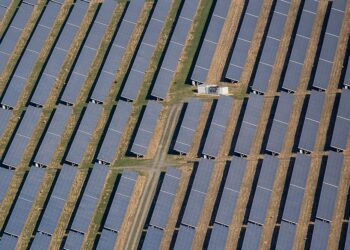
Solar energy is one of the most promising eco-friendly innovations set to transform 2026. Advances in solar panel technology have made it more affordable and efficient than ever before. Solar energy is a clean and renewable source of power that can help reduce our dependence on fossil fuels and lower carbon emissions.
Electric Vehicles
Electric vehicles (EVs) are another key innovation in the Green Revolution. With advancements in battery technology and charging infrastructure, EVs are becoming a more practical and sustainable alternative to traditional gasoline-powered vehicles. By switching to EVs, we can reduce air pollution and greenhouse gas emissions from the transportation sector.
Green Building Design
Green building design is an innovative approach to constructing buildings that are energy-efficient, sustainable, and environmentally friendly. By incorporating features such as passive solar design, green roofs, and energy-efficient appliances, green buildings can reduce energy consumption and lower carbon emissions.
Benefits of the Green Revolution
The Green Revolution offers a wide range of benefits for both the environment and society. By adopting eco-friendly innovations, we can reduce our impact on the planet, conserve natural resources, and create a more sustainable future for generations to come.
Environmental Benefits
One of the key environmental benefits of the Green Revolution is the reduction of carbon emissions. By transitioning to renewable energy sources such as solar and wind power, we can lower our carbon footprint and mitigate the effects of climate change. Additionally, initiatives such as green building design and sustainable agriculture can help preserve biodiversity and protect ecosystems.
Social Benefits
The Green Revolution also offers social benefits, such as improved public health and economic opportunities. By reducing air pollution and promoting sustainable practices, we can create a healthier environment for all. Additionally, the shift towards green technologies can create new jobs in industries such as renewable energy and energy efficiency.
Challenges and Opportunities
While the Green Revolution holds great promise for a more sustainable future, there are also challenges that must be addressed. From technological barriers to policy hurdles, there are several obstacles that must be overcome to fully realize the potential of eco-friendly innovations.
Technological Barriers
One of the main challenges facing the Green Revolution is the need for continued technological advancements. While solar energy and electric vehicles have made significant progress in recent years, there is still room for improvement in terms of efficiency, cost, and scalability. Research and development in areas such as energy storage and grid integration will be crucial to overcoming these technological barriers.
Policy Hurdles
Another challenge for the Green Revolution is the need for supportive policies and regulations. Government incentives, such as tax credits and renewable energy mandates, can help accelerate the adoption of eco-friendly innovations. However, political obstacles and conflicting interests can hinder progress and slow the transition to a more sustainable future.
Conclusion
The Green Revolution is a transformative movement that has the potential to reshape our world in 2026 and beyond. By embracing eco-friendly innovations such as solar energy, electric vehicles, and green building design, we can create a more sustainable future for ourselves and future generations. While challenges remain, the opportunities for a cleaner, healthier, and more prosperous world are within reach.