The Heat is On: Uncovering the Alarming Signs of Global Warming
Global warming is a pressing issue that affects not only the environment but also our daily lives. The Earth’s temperature is rising at an alarming rate, leading to a myriad of negative consequences such as extreme weather events, melting ice caps, and rising sea levels. In this article, we will delve into the signs of global warming and explore its implications for the future of our planet.
What is Global Warming?
Global warming refers to the long-term increase in Earth’s average surface temperature due to human activities, such as burning fossil fuels and deforestation. These activities release greenhouse gases, such as carbon dioxide and methane, into the atmosphere, trapping heat and causing the planet to warm up. The consequences of global warming are far-reaching and can have devastating effects on ecosystems, wildlife, and human health.
Signs of Global Warming
There are several key indicators that point to the reality of global warming. One of the most evident signs is the rise in global temperatures. According to NASA, the Earth’s average temperature has increased by about 1.9 degrees Fahrenheit since the late 19th century. This may seem like a small change, but it has significant implications for the planet’s climate system.
Another sign of global warming is the melting of polar ice caps and glaciers. As the Earth warms, ice sheets in Antarctica and Greenland are melting at an accelerated rate, leading to rising sea levels. This poses a threat to coastal communities and ecosystems, as well as contributing to more frequent and severe flooding events.
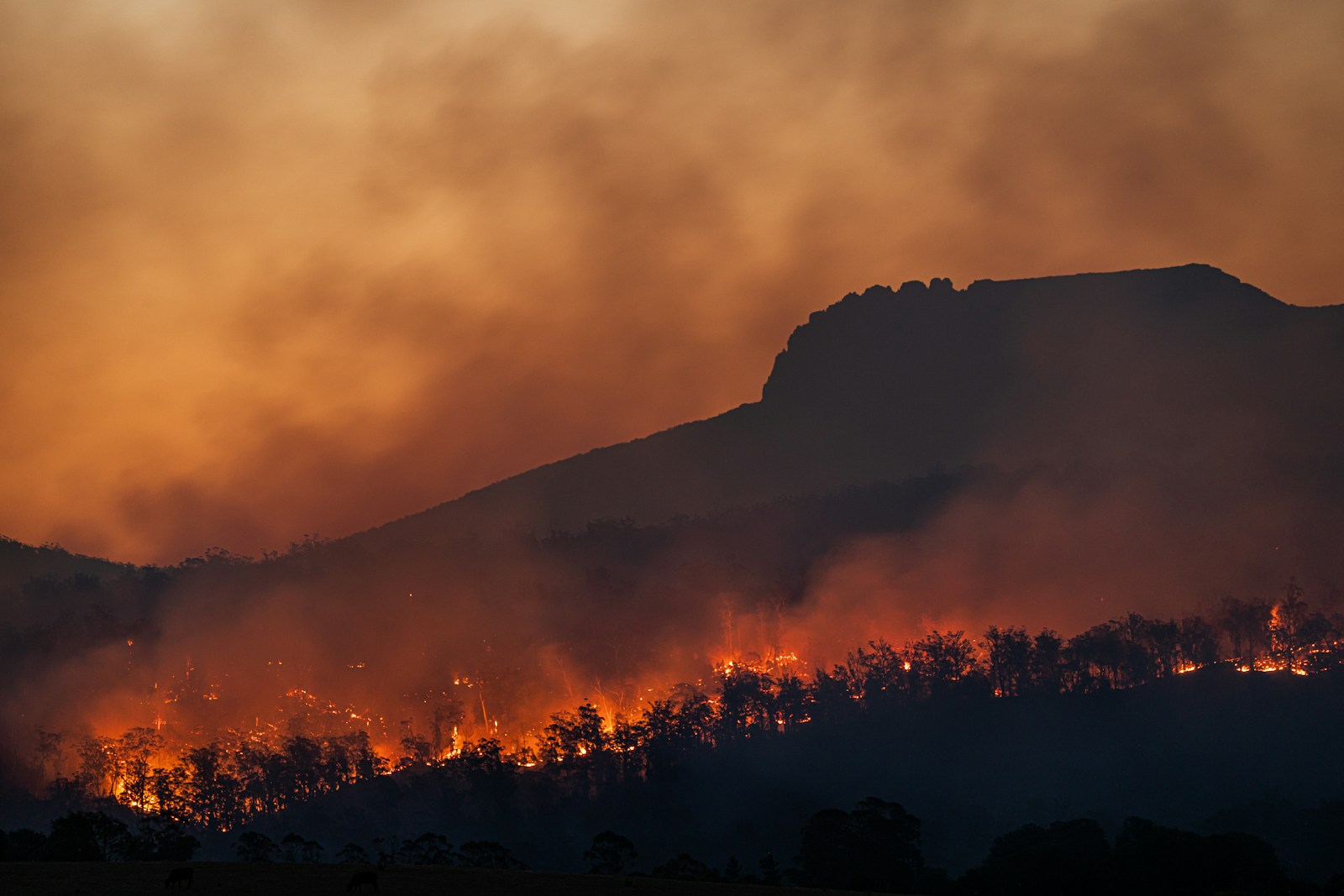
Furthermore, extreme weather events, such as hurricanes, droughts, and heatwaves, are becoming more frequent and intense due to global warming. These events can cause widespread damage to infrastructure, agriculture, and human health, leading to economic losses and displacement of populations.
Implications of Global Warming
The implications of global warming are vast and varied, affecting every aspect of life on Earth. One of the most significant consequences is the loss of biodiversity, as many species are unable to adapt to rapid changes in their habitats. This can lead to extinction of species and disruption of ecosystems, with cascading effects on the food chain and ecosystem services.
Global warming also has implications for human health, as extreme heatwaves and air pollution can exacerbate respiratory illnesses and cardiovascular diseases. In addition, changing weather patterns can impact food security and water availability, leading to malnutrition and water scarcity in vulnerable populations.
Furthermore, global warming can have economic ramifications, as the costs of rebuilding infrastructure and adapting to a changing climate can be substantial. This can strain government budgets and hinder economic growth, particularly in developing countries that are most vulnerable to the impacts of global warming.
What Can We Do About Global Warming?
While the signs of global warming are concerning, there are steps that individuals, communities, and governments can take to mitigate its effects. One of the most effective ways to combat global warming is to reduce our carbon footprint by adopting sustainable practices, such as using renewable energy sources, conserving water, and reducing waste.
Additionally, planting trees and supporting reforestation efforts can help sequester carbon dioxide from the atmosphere and mitigate the effects of global warming. Advocating for policies that promote clean energy and sustainable development can also make a significant impact in reducing greenhouse gas emissions and combating climate change.
It is crucial for individuals to educate themselves about the signs of global warming and take action to reduce their impact on the environment. By making small changes in our daily lives, we can collectively make a difference in protecting the planet for future generations.
Conclusion
In conclusion, global warming is a pressing issue that requires immediate attention and action. The signs of global warming are evident in the rising temperatures, melting ice caps, and extreme weather events that are occurring around the world. By taking steps to reduce our carbon footprint and advocate for sustainable practices, we can help mitigate the effects of global warming and create a more sustainable future for our planet.
It is essential for individuals, communities, and governments to work together to address the root causes of global warming and implement solutions that will protect the environment and ensure a healthy and prosperous future for all. By raising awareness about the signs of global warming and taking concrete steps to combat climate change, we can make a positive impact on the planet and secure a sustainable future for generations to come.