The Power of Tomorrow: Why Renewable Energy is Vital for a Sustainable Future
As the world continues to grapple with the effects of climate change and environmental degradation, the need for sustainable energy sources has never been more urgent. Renewable energy, which includes sources such as solar, wind, hydroelectric, and geothermal power, offers a viable solution to our energy needs while mitigating the harmful impacts of traditional fossil fuels. In this article, we will explore the importance of renewable energy in creating a sustainable future for generations to come.
What is Renewable Energy?
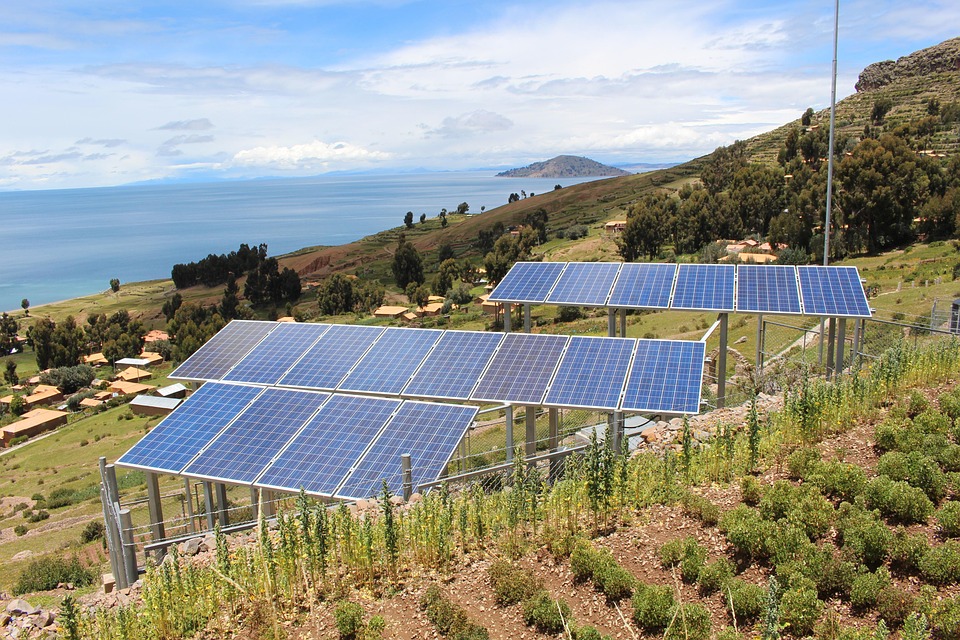
Renewable energy is derived from sources that are naturally replenished and can be utilized without depleting their reserves. Unlike fossil fuels, which are finite and contribute to greenhouse gas emissions, renewable energy sources offer a clean and sustainable alternative. Solar energy harnesses the power of the sun through photovoltaic panels, wind energy utilizes turbines to generate electricity from wind, hydroelectric power captures energy from flowing water, and geothermal energy taps into the heat stored beneath the Earth’s surface. These sources of renewable energy provide a reliable and environmentally friendly way to power our homes, businesses, and communities.
The Environmental Benefits of Renewable Energy
One of the key advantages of renewable energy is its minimal impact on the environment. Unlike fossil fuels, which release harmful pollutants such as carbon dioxide, sulfur dioxide, and nitrogen oxides into the atmosphere, renewable energy sources produce little to no emissions. This helps to reduce air pollution, improve air quality, and mitigate the effects of climate change. By transitioning to renewable energy, we can protect our planet’s ecosystems, preserve biodiversity, and ensure a sustainable future for all living beings.
The Economic Advantages of Renewable Energy
In addition to its environmental benefits, renewable energy offers significant economic advantages. As technology advances and production costs decrease, renewable energy has become increasingly cost-competitive with traditional fossil fuels. Investing in renewable energy infrastructure creates jobs, stimulates economic growth, and reduces our reliance on imported energy sources. By transitioning to renewable energy, we can improve energy security, lower energy costs, and support a thriving green economy.
The Social Impact of Renewable Energy
Renewable energy also has a positive social impact by increasing access to clean and affordable energy for all. In many developing countries, renewable energy offers a sustainable solution to energy poverty, providing electricity to remote and underserved communities. By investing in renewable energy projects, we can empower local populations, improve health outcomes, and enhance quality of life. Renewable energy also fosters energy independence, resilience, and self-sufficiency, reducing our vulnerability to energy price fluctuations and supply disruptions.
The Role of Renewable Energy in Climate Change Mitigation
Climate change is one of the greatest challenges facing our planet today, and renewable energy plays a crucial role in mitigating its effects. By reducing our reliance on fossil fuels and transitioning to renewable energy sources, we can significantly reduce greenhouse gas emissions and limit global warming. Renewable energy also helps to build climate resilience, adapt to the impacts of climate change, and create a more sustainable future for future generations. By embracing renewable energy, we can take meaningful action to combat climate change and protect our planet’s ecosystems.
The Future of Renewable Energy
As technology advances and public awareness grows, the future of renewable energy looks promising. Innovations in energy storage, grid integration, and smart technology are making renewable energy more efficient, affordable, and accessible than ever before. Governments, businesses, and individuals around the world are increasingly recognizing the importance of renewable energy in creating a sustainable future. By investing in renewable energy infrastructure, supporting research and development, and promoting renewable energy policies, we can accelerate the transition to a clean energy future.
Conclusion
Renewable energy is vital for creating a sustainable future for generations to come. By harnessing the power of the sun, wind, water, and Earth, we can reduce our environmental impact, stimulate economic growth, improve social outcomes, and mitigate the effects of climate change. As we strive to build a more sustainable world, renewable energy offers a viable solution to our energy needs. By embracing renewable energy, we can create a brighter tomorrow for all.
Together, let us work towards a future powered by clean, renewable energy.