The Power Play: Exploring the Pros and Cons of Renewable Energy Sources
Renewable energy sources have gained significant attention in recent years as the world looks for sustainable alternatives to fossil fuels. With the growing concern over climate change and environmental degradation, renewable energy offers a promising solution to reduce greenhouse gas emissions and promote a cleaner, greener future. In this article, we will explore the pros and cons of renewable energy sources, including solar, wind, hydroelectric, and geothermal power.
What are Renewable Energy Sources?
Renewable energy sources are sources of energy that are naturally replenished on a human timescale. Unlike fossil fuels, which are finite and non-renewable, renewable energy sources are sustainable and environmentally friendly. Some of the most common renewable energy sources include:
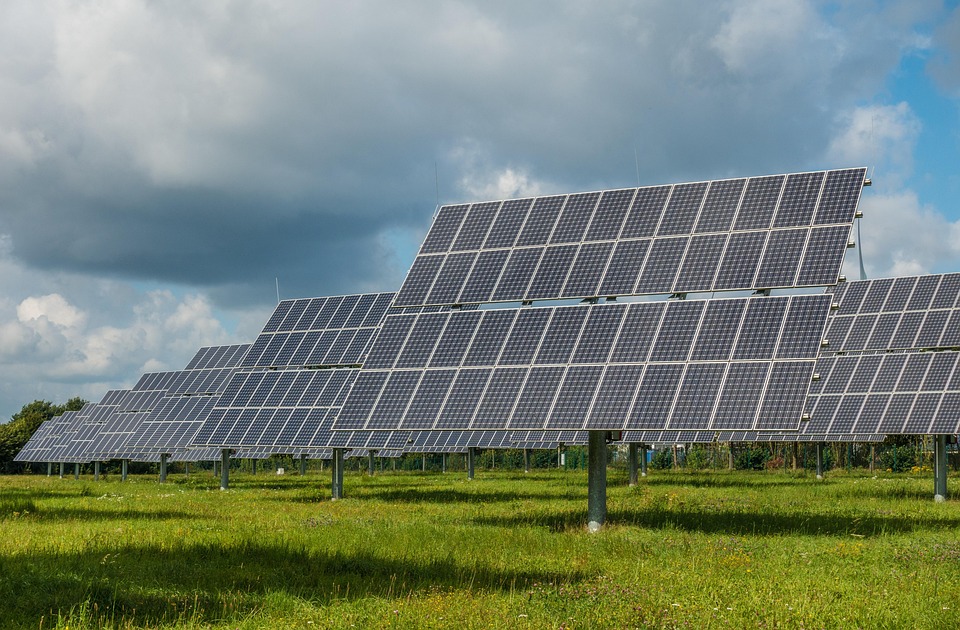
- Solar power
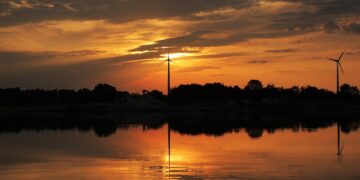
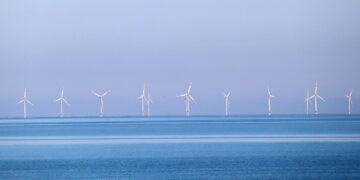
- Wind power
- Hydroelectric power
- Geothermal power
The Pros of Renewable Energy Sources
There are several advantages to using renewable energy sources:
1. Environmental Benefits
Renewable energy sources produce little to no greenhouse gas emissions, unlike fossil fuels which contribute to global warming and air pollution. By using renewable energy, we can reduce our carbon footprint and mitigate the negative impacts of climate change.
2. Energy Security
Renewable energy sources are abundant and widely available, making them a more secure and reliable source of energy compared to fossil fuels. By diversifying our energy sources, we can reduce our dependence on foreign oil and enhance our energy security.
3. Economic Growth
The renewable energy industry is a rapidly growing sector that has the potential to create new jobs and stimulate economic growth. Investing in renewable energy can drive innovation, attract investment, and boost local economies.
The Cons of Renewable Energy Sources
While renewable energy sources offer many benefits, there are also some drawbacks to consider:
1. Intermittency
Renewable energy sources such as solar and wind power are intermittent and dependent on weather conditions. This variability can pose challenges for grid stability and energy supply, especially during periods of low wind or sunlight.
2. Land Use
Some renewable energy technologies, such as large-scale solar and wind farms, require significant amounts of land for installation. This can lead to conflicts over land use and potential environmental impacts, such as habitat loss and ecosystem disruption.
3. Cost
While the cost of renewable energy has been steadily decreasing in recent years, it can still be more expensive than traditional fossil fuels. The initial investment in renewable energy infrastructure can be high, although long-term savings and benefits may outweigh the upfront costs.
Conclusion
Renewable energy sources offer a sustainable and environmentally friendly alternative to fossil fuels. While there are challenges to overcome, such as intermittency and cost, the benefits of renewable energy far outweigh the drawbacks. By investing in renewable energy, we can reduce our carbon footprint, enhance energy security, and stimulate economic growth. It is clear that renewable energy is a key player in the transition to a cleaner, greener future.