The Impact of Pollution on Our Environment
Pollution is one of the biggest threats to our environment, yet it often goes unnoticed. From air pollution to water pollution, our planet is facing a crisis that is affecting not only our health but also the health of our ecosystems.
Types of Pollution
There are several types of pollution that are affecting our environment, including air pollution, water pollution, and soil pollution. Air pollution is caused by the release of harmful gases and particles into the atmosphere, while water pollution is caused by the contamination of water bodies with chemicals, plastics, and other pollutants. Soil pollution, on the other hand, is caused by the accumulation of harmful chemicals and waste in the soil.
Air Pollution
Air pollution is one of the leading causes of environmental damage, with emissions from vehicles, factories, and power plants contributing to the release of harmful gases such as carbon monoxide, sulfur dioxide, and nitrogen oxides. These gases can not only harm human health but also contribute to climate change and the destruction of our ozone layer.
Water Pollution
Water pollution is another major concern, with pollutants such as pesticides, heavy metals, and plastics contaminating our water bodies and threatening the health of aquatic life. In addition, the disposal of sewage and industrial waste into rivers and oceans is causing widespread damage to marine ecosystems and threatening the sustainability of our fisheries.
Soil Pollution
Soil pollution is often overlooked, but it is a serious problem that is affecting our ability to grow food and support healthy ecosystems. The accumulation of pesticides, heavy metals, and other chemicals in the soil can lead to the contamination of our food supply and the destruction of important habitats for plants and animals.
The Effects of Pollution on Our Health
The impact of pollution on our health is significant, with studies showing that exposure to pollutants can increase the risk of respiratory diseases, cardiovascular problems, and even cancer. Children, the elderly, and people with pre-existing health conditions are particularly vulnerable to the effects of pollution, with long-term exposure leading to chronic health issues and a reduced quality of life.
Air Pollution and Respiratory Diseases
Air pollution is a major cause of respiratory diseases such as asthma, bronchitis, and emphysema, with pollutants such as particulate matter and nitrogen dioxide irritating the lungs and causing inflammation. Long-term exposure to air pollution can worsen respiratory conditions and increase the risk of developing serious health problems.
Water Pollution and Contaminated Drinking Water
Water pollution can also have serious health consequences, with contaminated drinking water leading to the spread of waterborne diseases such as cholera, dysentery, and typhoid. In addition, exposure to pollutants in water bodies can lead to skin rashes, gastrointestinal issues, and other health problems.
Soil Pollution and Food Contamination
Soil pollution can affect the quality of our food supply, with chemicals and heavy metals accumulating in crops and livestock and posing a risk to human health. Consuming contaminated food can lead to a range of health issues, including neurological disorders, reproductive problems, and cancer.
The Impact of Pollution on Our Ecosystems
In addition to harming human health, pollution is also having a devastating impact on our ecosystems. From the destruction of coral reefs to the decline of bee populations, pollution is threatening the balance of nature and the biodiversity of our planet.
Air Pollution and Climate Change
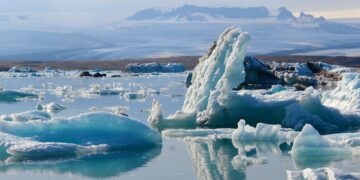
Air pollution is a major contributor to climate change, with greenhouse gases such as carbon dioxide and methane trapping heat in the atmosphere and causing global temperatures to rise. This is leading to more frequent and severe weather events, rising sea levels, and the loss of polar ice caps, with devastating consequences for ecosystems around the world.
Water Pollution and Marine Life
Water pollution is causing widespread damage to marine ecosystems, with chemicals, plastics, and other pollutants harming fish, coral reefs, and other aquatic life. The accumulation of plastic waste in our oceans is particularly concerning, with marine animals ingesting plastic particles and suffering from starvation, suffocation, and other health issues.
Soil Pollution and Deforestation
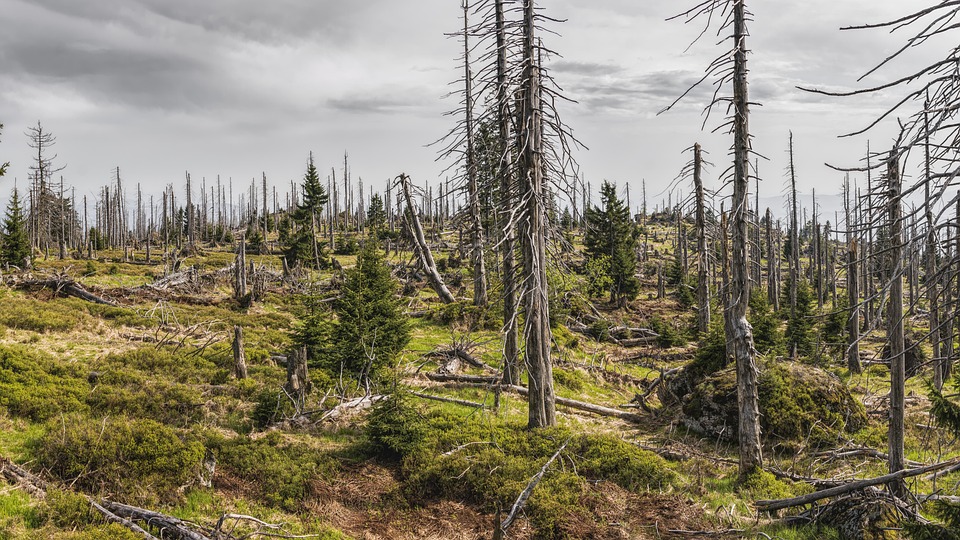
Soil pollution is also contributing to deforestation and the loss of important habitats for plants and animals. The accumulation of chemicals and waste in the soil can lead to the destruction of forests, wetlands, and other ecosystems, threatening the survival of species and disrupting the delicate balance of nature.
What Can We Do to Combat Pollution?
While pollution is a complex problem, there are steps that we can take to combat it and protect our environment for future generations. From reducing our carbon footprint to supporting sustainable practices, each of us has a role to play in preserving the health of our planet.
Reduce, Reuse, Recycle
One of the most effective ways to combat pollution is to reduce our waste and recycle as much as possible. By reusing items, recycling materials, and reducing our consumption of single-use plastics, we can help to minimize the amount of waste that ends up in landfills and water bodies.
Support Clean Energy
Supporting clean energy sources such as solar, wind, and hydropower is another important step in reducing our carbon footprint and combating air pollution. By investing in renewable energy technologies and advocating for policies that promote clean energy, we can help to reduce our reliance on fossil fuels and protect our environment from harmful emissions.
Advocate for Environmental Policies
Advocating for strong environmental policies at the local, national, and international levels is crucial in the fight against pollution. By supporting regulations that limit emissions, protect water quality, and preserve natural habitats, we can ensure that our environment is safeguarded for future generations.
Conclusion
Pollution is a silent killer that is destroying our environment and threatening the health of our planet. From air pollution to water pollution, the impact of pollutants on our health and ecosystems is significant, with long-term consequences that are difficult to reverse. By taking action to reduce our carbon footprint, support clean energy, and advocate for environmental policies, we can all play a role in combating pollution and preserving the health of our planet for future generations.