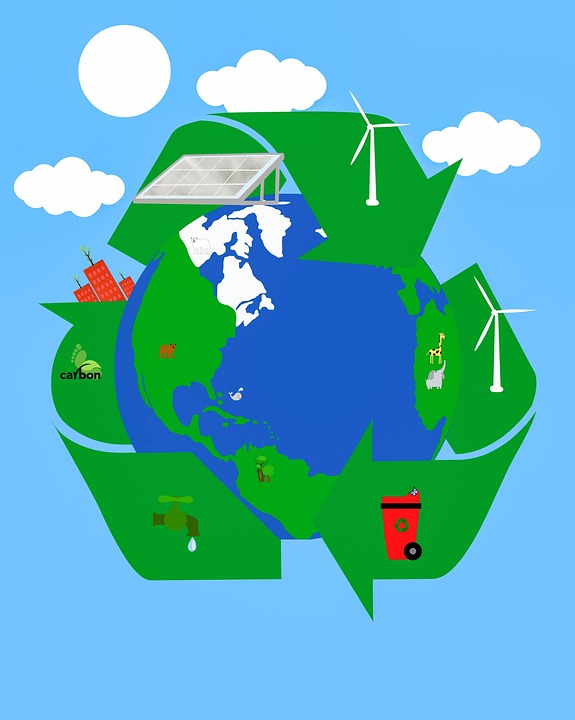
Living a sustainable life is not just a trend or a buzzword; it is a necessity in today’s world. With the increasing awareness of climate change and environmental degradation, more and more people are seeking ways to live green and ethical. Fortunately, there are many practical tips and strategies that can help individuals make a positive impact on the planet and live a more sustainable life. In this article, we will explore some of the best practices for living green and ethical, and provide actionable tips that anyone can implement in their daily lives.
What is Sustainable Living?
Sustainable living is a lifestyle that aims to reduce one’s environmental impact and promote a more sustainable way of living. This includes making conscious choices in areas such as energy consumption, waste management, transportation, and consumption habits. By adopting sustainable practices, individuals can help protect the environment, conserve natural resources, and create a healthier and more sustainable future for generations to come.
Practical Tips for Living Green and Ethical
1. Reduce, Reuse, Recycle: One of the most basic principles of sustainable living is the three Rs – reduce, reuse, and recycle. By reducing the amount of waste we produce, reusing items whenever possible, and recycling materials such as paper, glass, and plastic, we can minimize our impact on the environment and conserve valuable resources.
2. Conserve Energy: Another important aspect of sustainable living is conserving energy. This can be done by using energy-efficient appliances, turning off lights and electronics when not in use, and insulating homes to reduce heating and cooling costs. Additionally, using renewable energy sources such as solar or wind power can help reduce reliance on fossil fuels and lower carbon emissions.
3. Choose Sustainable Products: When shopping for groceries, clothing, or household items, look for products that are sustainably produced and ethically sourced. This includes choosing organic, locally grown food, fair trade products, and items made from recycled or renewable materials. By supporting companies that prioritize sustainability and ethical practices, consumers can help drive positive change in the marketplace.
4. Reduce Water Usage: Water is a precious resource that is often taken for granted. To conserve water, individuals can take simple steps such as fixing leaky faucets, installing water-efficient fixtures, and using water-saving appliances. Additionally, reducing water usage in the garden by collecting rainwater, mulching plants, and planting drought-resistant species can help conserve this valuable resource.
5. Minimize Transportation Impact: Transportation is a major contributor to greenhouse gas emissions and air pollution. To reduce the environmental impact of transportation, individuals can carpool, use public transportation, bike or walk whenever possible, and choose fuel-efficient vehicles. By reducing reliance on cars and opting for alternative modes of transportation, individuals can reduce their carbon footprint and promote a more sustainable way of getting around.
6. Support Sustainable Agriculture: The food we eat has a significant impact on the environment, from the production and transportation of crops to the disposal of food waste. By supporting sustainable agriculture practices such as organic farming, regenerative agriculture, and permaculture, individuals can help protect biodiversity, soil health, and water quality. Additionally, choosing plant-based foods over animal products can help reduce the environmental impact of food production and promote a more sustainable food system.
Benefits of Sustainable Living
There are many benefits to living a sustainable life, both for individuals and the planet. Some of the key benefits include:
– Environmental Protection: By reducing waste, conserving resources, and minimizing pollution, individuals can help protect the planet and preserve natural ecosystems for future generations.
– Healthier Lifestyle: Sustainable living often involves making healthier choices such as eating organic foods, exercising more, and reducing exposure to toxins. These lifestyle changes can lead to improved health and well-being.
– Cost Savings: Many sustainable practices can also lead to cost savings in the long run. For example, using energy-efficient appliances can lower utility bills, while growing your own food can reduce grocery expenses.
– Community Engagement: Sustainable living often involves connecting with others who share similar values and goals. By joining community gardens, environmental organizations, or local sustainability initiatives, individuals can build relationships and work together to create positive change.
Common Questions about Sustainable Living
1. Is sustainable living expensive?
While some sustainable products and practices may have a higher upfront cost, many sustainable choices can actually save money in the long run. For example, investing in energy-efficient appliances or solar panels can lead to significant savings on energy bills over time. Additionally, choosing to buy second-hand or locally sourced products can often be more affordable than buying new.
2. Can I still live sustainably if I live in a city?
Yes, sustainable living is possible no matter where you live. In fact, urban areas offer many opportunities for sustainable living, such as public transportation, bike lanes, community gardens, and farmers markets. By making conscious choices in areas such as transportation, food, and waste management, city dwellers can reduce their environmental impact and live more sustainably.
3. How can I get started with sustainable living?
Getting started with sustainable living can be as simple as making small changes in your daily routine. Start by reducing waste, conserving energy, and choosing sustainable products whenever possible. Educate yourself on issues such as climate change, biodiversity loss, and environmental justice, and seek out opportunities to get involved in local sustainability initiatives.
Conclusion
Living a sustainable life is not only beneficial for the environment, but also for individuals’ health and well-being. By making conscious choices in areas such as energy consumption, waste management, transportation, and consumption habits, individuals can reduce their environmental impact and create a more sustainable future for themselves and future generations. By following the practical tips and strategies outlined in this article, anyone can take steps towards living a greener, more ethical life. Start small, make gradual changes, and remember that every action counts towards creating a more sustainable world.