Unignorable Signs: The Growing Threat of Global Warming
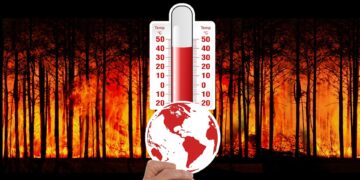
Global warming is one of the most pressing issues facing our planet today. The signs of its impact are becoming increasingly unignorable, with rising temperatures, melting ice caps, and extreme weather events becoming more frequent and severe. In this article, we will explore the growing threat of global warming, the signs that indicate its impact, and what we can do to mitigate its effects.
The Science Behind Global Warming
Global warming is the long-term heating of Earth’s climate system due to human activities, primarily the burning of fossil fuels that release greenhouse gases into the atmosphere. These gases, such as carbon dioxide and methane, trap heat in the Earth’s atmosphere, leading to a gradual increase in global temperatures. The consequences of global warming are far-reaching and include rising sea levels, more frequent and intense heatwaves, and changes in precipitation patterns.
Unignorable Signs of Global Warming
There are several unignorable signs that indicate the impact of global warming on our planet. One of the most visible signs is the melting of polar ice caps and glaciers, which has accelerated in recent years due to rising temperatures. This melting ice contributes to rising sea levels, threatening coastal communities and ecosystems around the world.
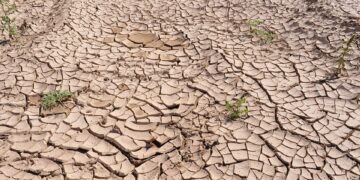
Another sign of global warming is the increase in extreme weather events, such as hurricanes, droughts, and wildfires. These events are becoming more frequent and severe, causing widespread destruction and loss of life. In addition, changes in precipitation patterns are leading to more intense rainfall in some regions and prolonged droughts in others, affecting agriculture and water supplies.
The Human Impact of Global Warming
Global warming not only affects the environment but also has significant impacts on human health and well-being. Rising temperatures can lead to heat-related illnesses and deaths, particularly among vulnerable populations such as the elderly and children. Changes in precipitation patterns can also affect food production and water availability, leading to food insecurity and conflicts over resources.
In addition, the displacement of communities due to sea-level rise and extreme weather events can exacerbate social inequalities and create refugee crises. Addressing the human impact of global warming requires both mitigation efforts to reduce greenhouse gas emissions and adaptation measures to protect vulnerable populations and ecosystems.
What Can We Do to Mitigate Global Warming?
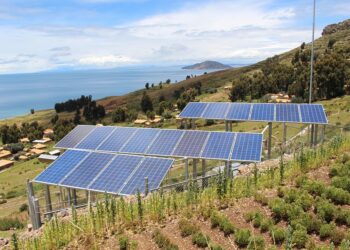
There are several actions that individuals, communities, and governments can take to mitigate the effects of global warming. One of the most effective ways to reduce greenhouse gas emissions is to transition to renewable energy sources, such as solar and wind power, which produce clean energy without releasing carbon dioxide into the atmosphere.
Other mitigation measures include improving energy efficiency in buildings and transportation, reducing deforestation and promoting reforestation, and investing in sustainable agriculture practices. These actions not only help reduce greenhouse gas emissions but also have co-benefits for human health, biodiversity, and economic development.
Conclusion
The signs of global warming are becoming increasingly unignorable, with rising temperatures, melting ice caps, and extreme weather events indicating the urgent need for action. By understanding the science behind global warming, recognizing its human impact, and taking steps to mitigate its effects, we can work together to create a more sustainable and resilient future for our planet and future generations.
It is crucial that we all do our part to address the growing threat of global warming and ensure a healthy and thriving planet for all. By taking action now, we can make a positive impact on the environment and create a more sustainable future for ourselves and future generations.