Vanishing Wonders: The Devastating Effects of Global Warming on Wildlife
Global warming is a pressing issue that is having a profound impact on wildlife around the world. As temperatures rise and weather patterns become more erratic, many animal species are struggling to adapt to these changing conditions. From polar bears in the Arctic to coral reefs in the ocean, the effects of global warming are being felt far and wide.
The Polar Regions: Melting Ice and Disappearing Habitats
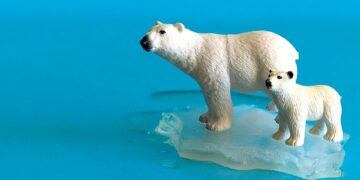
One of the most visible effects of global warming is the melting of ice in the polar regions. As temperatures rise, the ice caps are shrinking at an alarming rate, leaving polar bears and other Arctic animals with dwindling habitats. Without their icy homes, these animals are struggling to find food and survive in a rapidly changing environment.
Not only are polar bears at risk, but other animals such as seals, walruses, and Arctic foxes are also feeling the effects of melting ice. As their habitats disappear, these animals are being forced to migrate to new areas in search of food and shelter. This disruption to their natural patterns can have devastating consequences for their populations.
The Oceans: Coral Bleaching and Declining Fish Populations
Global warming is also having a significant impact on marine life, particularly coral reefs. As ocean temperatures rise, corals are experiencing bleaching events, where they expel the algae that live inside them and provide them with nutrients. Without these algae, the corals lose their color and eventually die, leaving behind barren underwater landscapes.
In addition to coral bleaching, global warming is also leading to declining fish populations in the oceans. As waters warm, many fish species are struggling to survive in their traditional habitats. This can have ripple effects throughout the marine ecosystem, as predators may not have enough food to eat and prey species may become overpopulated.
The Rainforests: Droughts and Deforestation
Another area where global warming is having a significant impact is in the world’s rainforests. As temperatures rise, many regions are experiencing more frequent and severe droughts, which can have devastating effects on the plant and animal life that call these forests home. Without enough water, many species are struggling to survive, leading to declines in populations and even extinction.
In addition to droughts, global warming is also contributing to deforestation in the rainforests. As temperatures rise, many areas are experiencing more frequent wildfires, which can destroy vast stretches of forest in a matter of days. This loss of habitat is putting many species at risk, as they have nowhere to go to escape the flames.
What Can We Do to Help?
While the effects of global warming on wildlife are undeniable, there are steps that we can take to help mitigate these impacts. One of the most important things that individuals can do is to reduce their carbon footprint by using energy-efficient appliances, driving less, and supporting renewable energy sources.
Additionally, supporting conservation efforts and wildlife protection programs can help to safeguard vulnerable species from the effects of global warming. By donating to organizations that work to protect habitats and preserve biodiversity, we can make a difference in the fight against climate change.
Ultimately, the effects of global warming on wildlife are far-reaching and devastating. From polar bears in the Arctic to coral reefs in the ocean, many species are struggling to survive in a rapidly changing world. By taking action now, we can help to protect these vanishing wonders for future generations to enjoy.
Conclusion
In conclusion, global warming is having a profound impact on wildlife around the world. From melting ice in the polar regions to coral bleaching in the oceans, the effects of climate change are being felt far and wide. By taking action to reduce our carbon footprint and support conservation efforts, we can help to protect vulnerable species from the devastating effects of global warming. Together, we can work to preserve these vanishing wonders for generations to come.