Zero Waste Warriors: A Beginner’s Guide to Living Waste-Free
In today’s society, the concept of living waste-free has gained traction as people become more conscious of the impact of their daily habits on the environment. Zero waste living is a lifestyle that aims to reduce the amount of waste produced by individuals, households, and communities. By making conscious choices to minimize waste and maximize resources, zero waste warriors can make a significant impact on the health of our planet.
What is Zero Waste Living?
Zero waste living is a philosophy and lifestyle that aims to eliminate waste from our daily lives. This means reducing, reusing, recycling, and composting as much as possible to divert waste from landfills and incinerators. The goal is to create a circular economy where resources are used efficiently and sustainably, without generating unnecessary waste.
Zero waste living is not about perfection or completely eliminating waste overnight. It is about making small, sustainable changes in our daily habits that add up to a significant reduction in waste over time. By being mindful of our consumption habits and making conscious choices to reduce waste, we can make a positive impact on the environment and inspire others to do the same.
How to Get Started with Zero Waste Living
If you are interested in reducing your waste and living a more sustainable lifestyle, here are some tips to help you get started on your zero waste journey:
1. Assess Your Current Waste Generation: Before you can reduce your waste, you need to understand where it is coming from. Take a look at your trash and recycling bins to see what items you are throwing away most frequently. This can help you identify areas where you can make changes to reduce your waste.
2. Reduce Single-Use Items: One of the easiest ways to reduce waste is to avoid single-use items like plastic bags, straws, and utensils. Invest in reusable alternatives like cloth bags, stainless steel straws, and bamboo utensils to reduce your waste footprint.
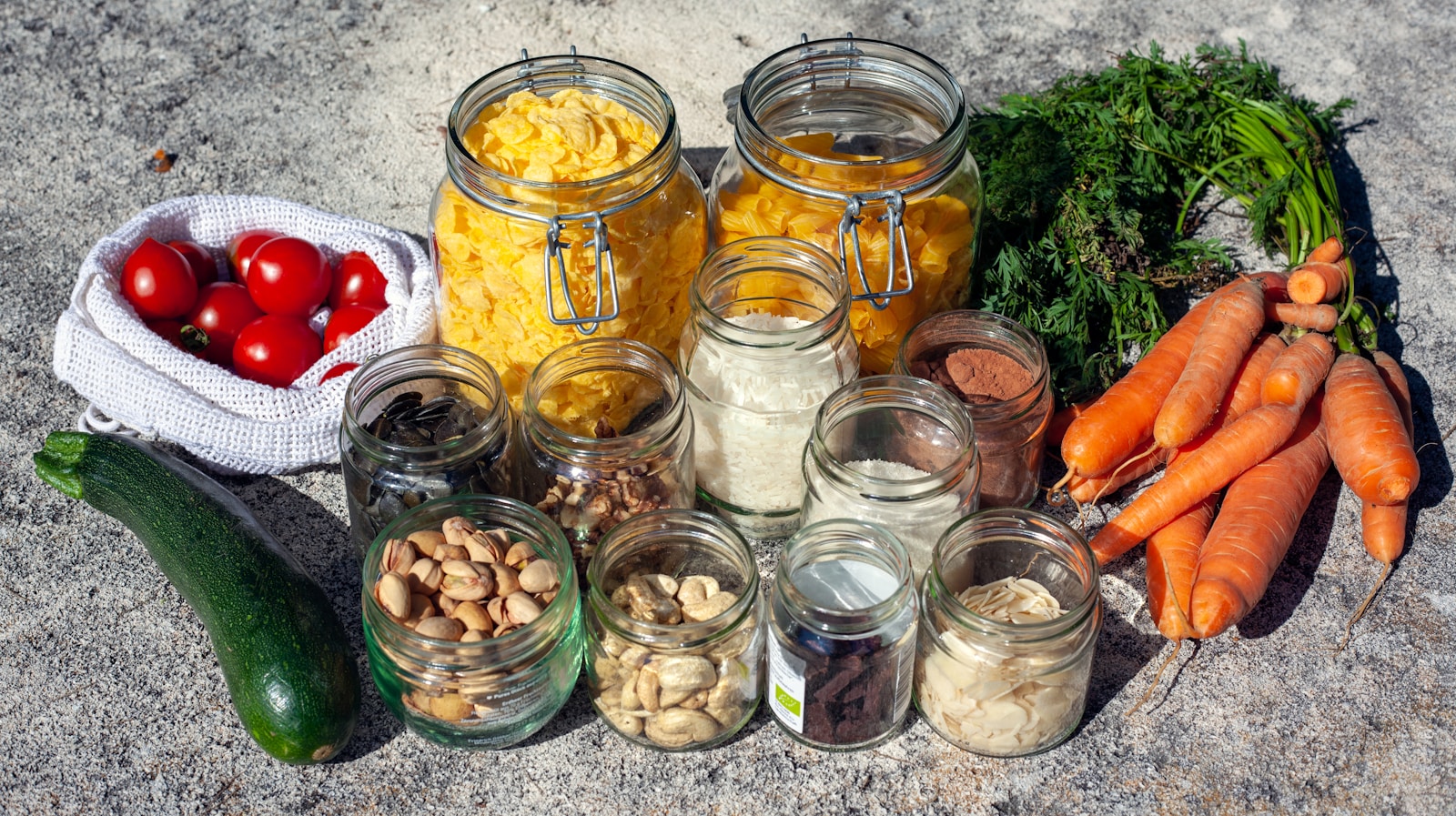
3. Shop in Bulk: Buying items in bulk can help reduce packaging waste. Bring your own containers to stores that offer bulk bins for items like grains, nuts, and spices. This can help you reduce packaging waste and save money in the long run.
4. Compost Food Scraps: Food waste is a significant contributor to landfill waste. Start composting your food scraps to divert them from the landfill and create nutrient-rich soil for your garden. You can compost kitchen scraps like fruit and vegetable peels, coffee grounds, and eggshells.
5. Use Reusable Containers: Instead of using disposable containers for food storage, invest in reusable containers like glass jars and stainless steel containers. These can be used to store leftovers, pack lunches, and freeze food without generating waste.
6. Make Your Own Cleaning Products: Many commercial cleaning products come in plastic packaging and contain harmful chemicals. Make your own cleaning products using simple ingredients like vinegar, baking soda, and essential oils. This can help reduce your waste and minimize your exposure to toxic chemicals.
7. Support Zero Waste Businesses: Look for businesses that prioritize sustainability and zero waste practices. Support local farmers markets, bulk stores, and eco-friendly brands that are committed to reducing waste and promoting sustainability.
Benefits of Zero Waste Living
There are many benefits to adopting a zero waste lifestyle, both for the environment and for your own well-being. Some of the key benefits of zero waste living include:
1. Environmental Impact: By reducing your waste and minimizing your consumption, you can help reduce the strain on natural resources and minimize pollution. Zero waste living can help protect ecosystems, conserve energy, and reduce greenhouse gas emissions.
2. Cost Savings: By investing in reusable products and reducing your consumption of disposable items, you can save money in the long run. Buying in bulk, composting food scraps, and making your own products can all help you cut down on expenses and live more frugally.
3. Health Benefits: Many commercial products contain harmful chemicals that can negatively impact your health. By making your own products and reducing your exposure to toxins, you can improve your health and well-being. Additionally, eating a diet rich in whole foods and minimizing processed foods can have a positive impact on your health.
4. Community Building: Zero waste living can help foster a sense of community and connection with others who share your values. By supporting local businesses, participating in community clean-up events, and sharing resources with others, you can build relationships and make a positive impact in your community.
Challenges of Zero Waste Living
While there are many benefits to living a zero waste lifestyle, there are also challenges and obstacles that can make it difficult to maintain. Some of the common challenges of zero waste living include:
1. Convenience: Living a zero waste lifestyle can be more time-consuming and require more effort than traditional living. Finding bulk stores, composting facilities, and sustainable products can be challenging, especially in areas where zero waste options are limited.
2. Social Pressure: Zero waste living may not be the norm in your social circle, which can make it challenging to stick to your values. Dealing with skepticism, criticism, and questions from friends and family members can be difficult, but it’s important to stay true to your values and beliefs.
3. Limited Resources: In some areas, access to zero waste resources like bulk stores, composting facilities, and recycling programs may be limited. This can make it challenging to reduce waste and live sustainably, but there are always alternative options to explore.
4. Perfectionism: Striving for perfection in zero waste living can be overwhelming and counterproductive. It’s important to remember that zero waste living is about progress, not perfection. Making small, sustainable changes over time is more important than trying to eliminate all waste overnight.
Tips for Overcoming Challenges
If you are facing challenges in your zero waste journey, here are some tips to help you overcome obstacles and stay motivated:
1. Start Small: Don’t try to eliminate all waste at once. Start by making small, sustainable changes in your daily habits that add up to a significant reduction in waste over time. Focus on one area at a time, such as reducing single-use items or composting food scraps.
2. Build a Support System: Surround yourself with like-minded individuals who share your values and can provide support and encouragement. Join zero waste groups, attend community events, and connect with others who are on a similar journey.
3. Educate Yourself: Stay informed about zero waste practices, sustainability initiatives, and environmental issues. Knowledge is power, and the more you learn about the impact of waste on the environment, the more motivated you will be to make positive changes in your own life.
4. Be Flexible: Zero waste living is not about perfection or following strict rules. It’s about making conscious choices that align with your values and beliefs. Be flexible in your approach and willing to adapt to new challenges and opportunities.
5. Celebrate Progress: Celebrate your successes and milestones along the way. Acknowledge the positive changes you have made, no matter how small, and use them as motivation to keep moving forward on your zero waste journey.
Conclusion
Living a zero waste lifestyle is a rewarding and fulfilling journey that can have a positive impact on the environment, your health, and your community. By making conscious choices to reduce waste, reuse resources, and recycle responsibly, you can help create a more sustainable future for generations to come. Remember that zero waste living is not about perfection or following strict rules—it’s about progress, not perfection. Start small, stay motivated, and celebrate your successes along the way. Together, we can all be zero waste warriors and make a difference in the world.