Power Struggle: The Battle Between Solar and Wind Energy
In recent years, renewable energy sources have gained significant traction as the world looks to reduce its reliance on fossil fuels and combat the effects of climate change. Two prominent players in the renewable energy sector are solar and wind energy. Both technologies have their strengths and weaknesses, leading to a power struggle as they compete for dominance in the renewable energy market.
The Rise of Solar Energy
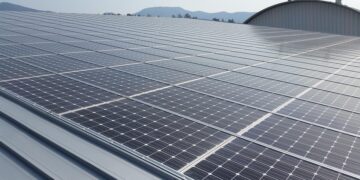
Solar energy has experienced tremendous growth in recent years, thanks to advancements in technology and falling costs. Solar panels, also known as photovoltaic cells, harness the sun’s energy and convert it into electricity. This clean and renewable energy source is abundant and can be harnessed in various ways, from rooftop solar panels on residential homes to large-scale solar farms.
The benefits of solar energy are numerous. It is a clean and sustainable energy source that produces zero emissions, reducing greenhouse gas emissions and mitigating climate change. Solar panels have a long lifespan and require minimal maintenance, making them a cost-effective energy solution in the long run. Additionally, solar energy can be generated on-site, reducing reliance on the grid and providing energy independence to consumers.
The Challenges of Solar Energy
Despite its many advantages, solar energy also faces challenges that hinder its widespread adoption. One of the main drawbacks of solar energy is its intermittent nature. Solar panels only generate electricity when the sun is shining, making it difficult to rely on solar energy as a constant power source. This variability in solar energy production can lead to issues with grid stability and reliability.
Another challenge facing solar energy is its high upfront costs. While the price of solar panels has decreased in recent years, the initial investment required to install solar panels can be prohibitive for some consumers. Additionally, the efficiency of solar panels can be affected by factors such as shading, weather conditions, and the angle of the panels, further complicating the widespread adoption of solar energy.
The Emergence of Wind Energy
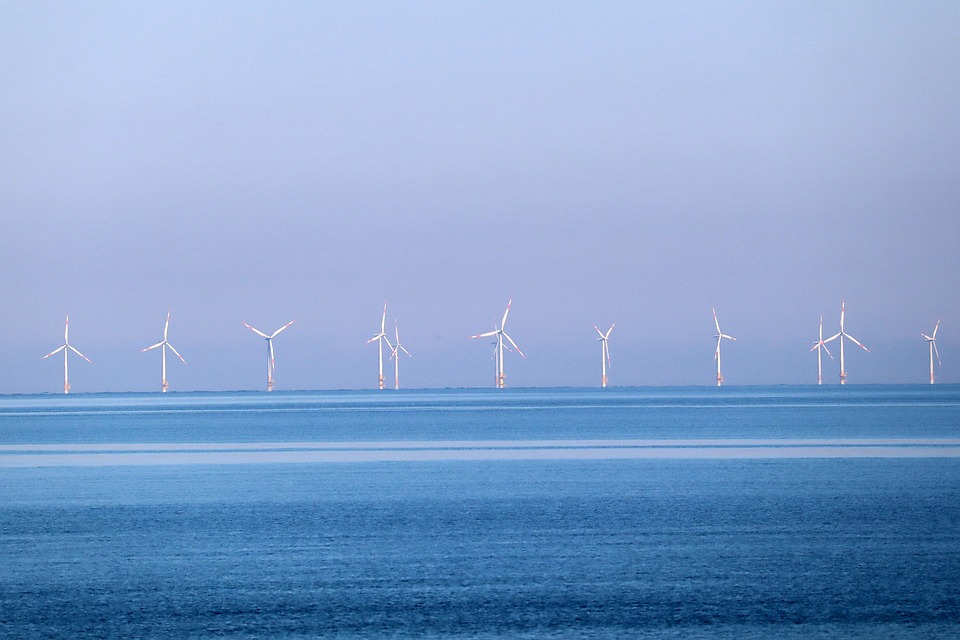
Wind energy is another renewable energy source that has gained popularity in recent years. Wind turbines harness the power of the wind to generate electricity, providing a clean and sustainable energy solution. Wind energy is abundant and can be harnessed in various locations, from onshore wind farms to offshore wind turbines.
One of the key benefits of wind energy is its reliability. Unlike solar energy, wind energy is not dependent on the sun and can be generated at any time of day or night. This consistent energy production makes wind energy a reliable source of power that can help stabilize the grid and meet energy demand. Additionally, wind energy has a low environmental impact, producing zero emissions and reducing reliance on fossil fuels.
The Challenges of Wind Energy
While wind energy has many advantages, it also faces challenges that limit its widespread adoption. One of the main drawbacks of wind energy is its intermittency. Wind speeds can vary throughout the day, leading to fluctuations in energy production. This variability in wind energy output can pose challenges for grid operators and require additional energy storage solutions to ensure grid stability.
Another challenge facing wind energy is its impact on wildlife and the environment. Wind turbines can pose a threat to birds and bats, leading to concerns about biodiversity conservation. Additionally, the installation of wind farms can alter landscapes and disrupt ecosystems, raising questions about the sustainability of wind energy projects.
The Power Struggle Between Solar and Wind Energy
As solar and wind energy continue to grow in popularity, a power struggle has emerged between the two technologies. Both solar and wind energy offer unique benefits and challenges, leading to debates about which technology is superior. The competition between solar and wind energy is driven by factors such as cost, efficiency, reliability, and environmental impact.
Cost and Efficiency
One of the key factors driving the power struggle between solar and wind energy is cost. Solar energy has seen a significant decrease in costs in recent years, making it an increasingly attractive option for consumers. The falling cost of solar panels has made solar energy more accessible to a wider range of consumers, leading to increased adoption of solar energy technologies.
On the other hand, wind energy also offers competitive pricing, with onshore wind farms becoming increasingly cost-effective. Offshore wind energy projects, while more expensive to install, are also seeing cost reductions as technology improves. The cost competitiveness of wind energy has made it a viable option for utility-scale energy projects and has contributed to its growth in the renewable energy market.
When it comes to efficiency, both solar and wind energy have their strengths and weaknesses. Solar panels are highly efficient at converting sunlight into electricity, with some panels reaching efficiencies of over 20%. However, the efficiency of solar panels can be affected by factors such as shading and weather conditions, leading to fluctuations in energy production.
Wind turbines are also efficient at converting wind into electricity, with modern turbines reaching efficiencies of around 40%. Wind energy projects can be optimized to maximize energy production based on wind speeds and locations, making wind energy a reliable source of power. However, the intermittency of wind speeds can pose challenges for grid operators and require additional energy storage solutions to ensure grid stability.
Reliability and Environmental Impact
Another factor influencing the power struggle between solar and wind energy is reliability. Solar energy is dependent on sunlight and can only generate electricity during daylight hours. This variability in solar energy production can pose challenges for grid operators and require energy storage solutions to ensure grid stability. However, advancements in battery storage technology are making it easier to store excess solar energy for use during periods of low sunlight.
Wind energy, on the other hand, is not dependent on sunlight and can be generated at any time of day or night. This consistent energy production makes wind energy a reliable source of power that can help stabilize the grid and meet energy demand. However, the intermittency of wind speeds can lead to fluctuations in energy production, posing challenges for grid operators and requiring additional energy storage solutions.
When it comes to environmental impact, both solar and wind energy offer significant benefits compared to fossil fuel-based energy sources. Solar energy produces zero emissions and reduces reliance on fossil fuels, helping to mitigate climate change and improve air quality. Wind energy also produces zero emissions and has a low environmental impact, making it a sustainable energy solution that supports biodiversity conservation.
The Future of Solar and Wind Energy
As the power struggle between solar and wind energy continues, both technologies are expected to play a crucial role in the transition to a clean energy future. The growth of renewable energy sources such as solar and wind energy is essential for reducing greenhouse gas emissions and combating the effects of climate change. The continued development of solar and wind energy technologies will drive innovation and lead to further cost reductions, making renewable energy more accessible to consumers.
Ultimately, the future of solar and wind energy lies in their ability to complement each other and work together to meet energy demand. Hybrid energy systems that combine solar and wind energy technologies can provide a more stable and reliable source of power, utilizing the strengths of both technologies to maximize energy production. By embracing a diversified energy portfolio that includes solar and wind energy, we can create a more sustainable and resilient energy system that benefits both the environment and society as a whole.
Conclusion
The power struggle between solar and wind energy reflects the ongoing evolution of the renewable energy sector as we strive to transition to a clean and sustainable energy future. Both technologies offer unique benefits and challenges, driving debates about which technology is superior. While solar energy is known for its efficiency and cost-effectiveness, wind energy offers reliability and consistent energy production.
As we look to the future, it is clear that both solar and wind energy will play a crucial role in meeting energy demand and reducing our reliance on fossil fuels. By embracing a diversified energy portfolio that includes solar and wind energy, we can create a more sustainable and resilient energy system that benefits both the environment and society as a whole. The power struggle between solar and wind energy is ultimately a reflection of the ongoing transition to a clean energy future, where renewable energy sources will play a central role in shaping the energy landscape for years to come.