The Silent Killer: The Devastating Impact of Industrial Air Pollution
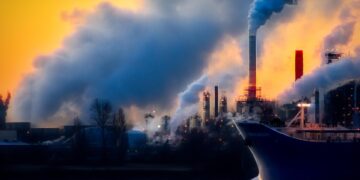
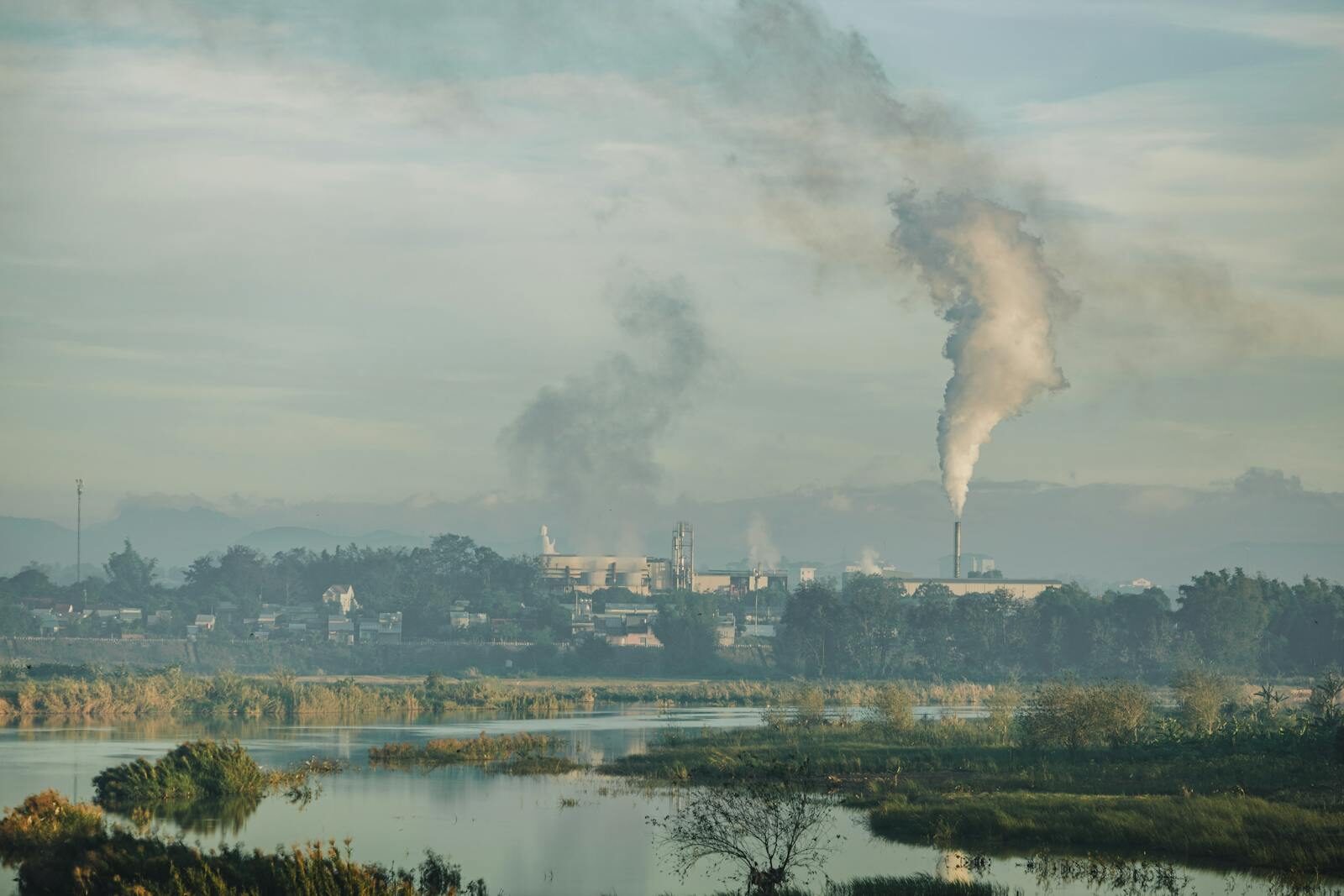
Industrial air pollution is a silent killer that is wreaking havoc on our environment and our health. The emissions from factories, power plants, and other industrial facilities are releasing harmful pollutants into the air, leading to a wide range of health problems and environmental damage. In this article, we will explore the devastating impact of industrial air pollution, address common questions surrounding this issue, and discuss what can be done to combat this growing problem.
What is industrial air pollution?
Industrial air pollution refers to the release of harmful pollutants into the air from industrial activities. These pollutants can include carbon dioxide, sulfur dioxide, nitrogen oxides, particulate matter, and volatile organic compounds, among others. Industrial activities such as burning fossil fuels, manufacturing processes, and chemical production all contribute to the release of these pollutants into the atmosphere.
The health effects of industrial air pollution
The health effects of industrial air pollution are wide-ranging and can be severe. Exposure to air pollutants from industrial sources has been linked to respiratory problems such as asthma and chronic obstructive pulmonary disease (COPD), cardiovascular diseases, and even cancer. Children, the elderly, and individuals with pre-existing health conditions are particularly vulnerable to the effects of industrial air pollution.
Long-term exposure to industrial air pollution can also have serious health consequences, including reduced lung function, increased risk of heart attacks and strokes, and even premature death. The World Health Organization estimates that air pollution is responsible for 7 million premature deaths worldwide every year.
The environmental impact of industrial air pollution
In addition to its devastating effects on human health, industrial air pollution also has a significant impact on the environment. Pollutants released into the atmosphere from industrial sources contribute to smog formation, acid rain, and climate change. These pollutants can also harm ecosystems, wildlife, and water sources, leading to a loss of biodiversity and environmental degradation.
Industrial air pollution is a major contributor to global warming, with carbon dioxide emissions from industrial sources being a significant driver of climate change. The continued release of greenhouse gases into the atmosphere from industrial activities is leading to rising global temperatures, melting ice caps, and more frequent and severe weather events.
What can be done to combat industrial air pollution?
Combatting industrial air pollution requires a multi-faceted approach that involves government regulation, technological innovation, and public awareness. Governments can implement stricter regulations on industrial emissions, require the use of cleaner technologies, and incentivize companies to reduce their environmental impact. Companies can invest in cleaner production methods, improve energy efficiency, and reduce their carbon footprint.
Technological innovations such as carbon capture and storage, renewable energy sources, and electric vehicles can also play a key role in reducing industrial air pollution. Public awareness and advocacy are essential in raising awareness about the dangers of industrial air pollution and pressuring governments and companies to take action to address this issue.
Conclusion
Industrial air pollution is a silent killer that is having a devastating impact on our health and our environment. The emissions from industrial activities are releasing harmful pollutants into the air, leading to a wide range of health problems and environmental damage. Combatting industrial air pollution requires a multi-faceted approach that involves government regulation, technological innovation, and public awareness. By taking action to reduce industrial emissions and invest in cleaner technologies, we can work towards a cleaner, healthier future for all.