Shining a Light on Savings: Your Ultimate Guide to Switching to Solar Power
There has never been a better time to switch to solar power. With rising energy costs and increasing concerns about the environment, more and more homeowners are making the switch to clean, renewable energy sources. Not only does solar power help reduce your carbon footprint, but it can also save you money on your monthly energy bills. In this comprehensive guide, we will walk you through everything you need to know about making the switch to solar power.
Why Switch to Solar Power?
There are numerous benefits to switching to solar power. One of the biggest advantages is the potential cost savings. By generating your own electricity from the sun, you can significantly reduce or even eliminate your monthly energy bills. Additionally, many governments and utility companies offer incentives and rebates for installing solar panels, making the switch even more financially appealing.
Another major benefit of solar power is its environmental impact. Traditional energy sources like coal and natural gas contribute to air and water pollution, as well as greenhouse gas emissions. By using solar power, you can help reduce your carbon footprint and lessen your impact on the environment.
Getting Started with Solar Power
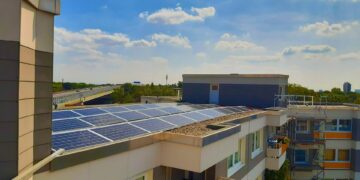
The first step in switching to solar power is to assess your home’s energy needs. Look at your current energy usage and consider how much of that could be offset by solar power. You can then work with a solar provider to design a system that meets your specific needs.
Next, you will need to choose a solar panel installation company. Look for a reputable provider with experience in installing solar panels in your area. They will be able to help you determine the best placement for your panels and ensure that your system is installed correctly.
Financing Your Solar Power System
One of the biggest concerns for homeowners considering solar power is the cost. While solar panels can be a significant investment upfront, there are several financing options available to help make the switch more affordable.
Many solar providers offer financing options, such as solar loans or leases, that allow you to pay for your system over time. Additionally, there are federal tax incentives and rebates available for homeowners who switch to solar power, which can help offset the initial cost of installation.
Maintaining Your Solar Power System
Once your solar power system is installed, it will require minimal maintenance to keep it running efficiently. Most solar panels come with warranties that cover any defects or issues that may arise. Additionally, you will need to periodically clean your panels to ensure they are able to capture as much sunlight as possible.
It’s also important to regularly monitor your system’s performance to ensure that it is operating at its full potential. Many solar providers offer monitoring services that allow you to track your system’s energy production and identify any issues that may arise.
Common Questions About Solar Power
As you consider making the switch to solar power, you may have some common questions. Here are a few answers to help address your concerns:
1. How much does a solar power system cost?
The cost of a solar power system can vary depending on the size of your home and your energy needs. On average, a residential solar power system can cost anywhere from $10,000 to $30,000. However, with financing options and incentives available, the cost can be significantly reduced.
2. How long does it take to recoup the cost of a solar power system?
On average, homeowners can expect to recoup the cost of their solar power system within 5-7 years. After that, any energy your system generates is essentially free, allowing you to save money on your monthly energy bills.
3. Will solar panels work in my area?
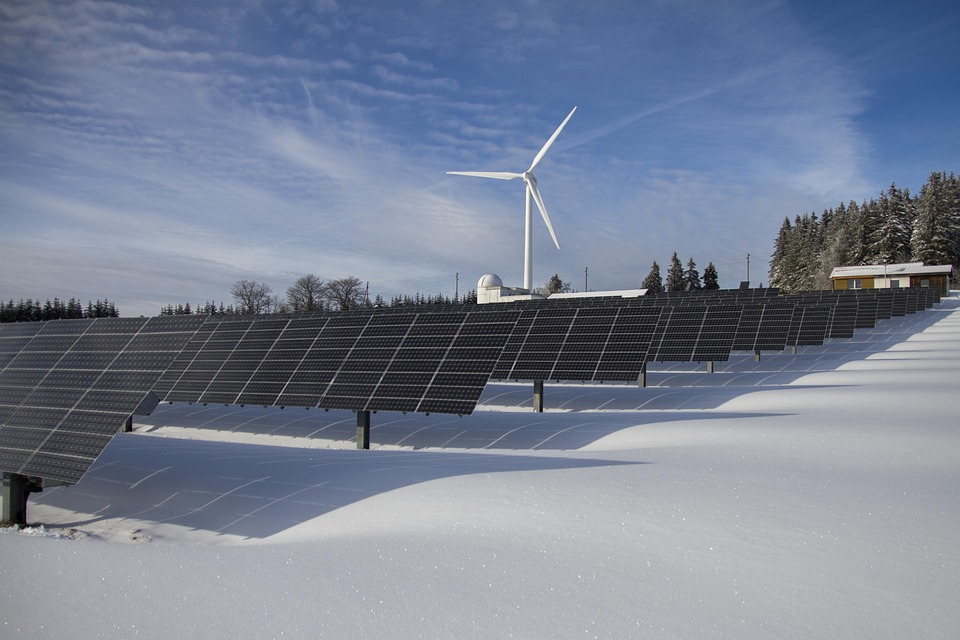
Solar panels can be installed virtually anywhere, as long as there is access to sunlight. Even in areas with less than ideal sunlight, solar panels can still generate enough energy to offset a significant portion of your energy needs.
4. What happens if there is a power outage?
Most solar power systems are designed to work in conjunction with the grid, so you will still have access to electricity during a power outage. However, if you want to have backup power in case of an extended outage, you can also install a battery backup system.
Conclusion
Switching to solar power is a smart investment for both your wallet and the environment. By generating your own clean, renewable energy, you can reduce your energy bills and lessen your impact on the planet. With the right information and resources, making the switch to solar power is easier than ever. So why wait? Start shining a light on savings today by switching to solar power.