Harnessing the Power of the Wind: Exploring the Potential of Small Scale Wind Energy
Wind energy has been harnessed for centuries to power everything from windmills to sailboats. In recent years, there has been a growing interest in using wind power to generate electricity on a smaller scale. Small scale wind energy systems can be a cost-effective and environmentally friendly way to generate power for homes, farms, and businesses. In this article, we will explore the potential of small scale wind energy and how it can be harnessed to create a more sustainable future.
How Small Scale Wind Energy Works
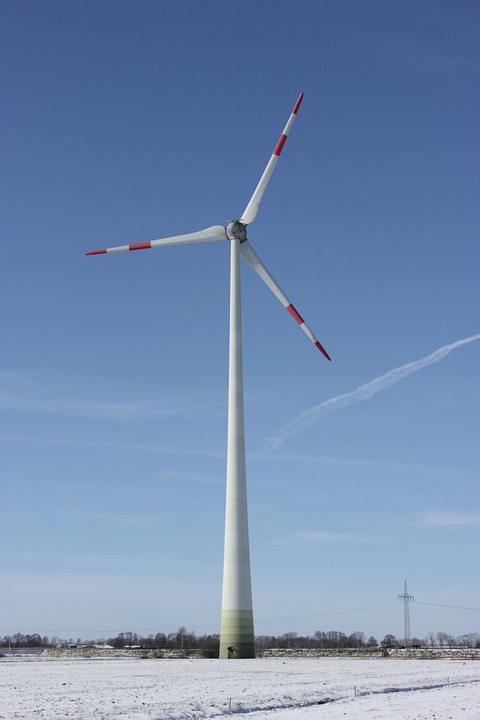
Small scale wind energy systems work on the same basic principle as large scale wind farms. Wind turbines are used to capture the kinetic energy of the wind and convert it into electricity. The turbine blades are connected to a generator, which produces electricity when the blades are turned by the wind. This electricity can then be used to power homes, businesses, or other electrical devices.
Small scale wind turbines are typically mounted on a tower to elevate them above obstacles that could block the wind. The height of the tower and the size of the turbine blades are important factors in determining how much electricity the system can generate. In general, taller towers and larger blades will produce more electricity, but they may also be more expensive to install.
Advantages of Small Scale Wind Energy
There are several advantages to using small scale wind energy systems. One of the main benefits is that wind is a renewable resource, meaning that it will never run out. Unlike fossil fuels, which are finite and contribute to climate change, wind energy is clean and abundant. By harnessing the power of the wind, we can reduce our dependence on fossil fuels and decrease our carbon footprint.
Another advantage of small scale wind energy is that it can help to reduce energy costs. Once a wind turbine is installed, it can generate electricity for years to come with minimal maintenance. This can help to offset the initial cost of the system and provide long-term savings on energy bills. In some cases, small scale wind energy systems can even generate excess electricity that can be sold back to the grid, providing an additional source of income.
Challenges of Small Scale Wind Energy
While there are many advantages to using small scale wind energy, there are also some challenges that need to be overcome. One of the main challenges is finding a suitable location for the wind turbine. Wind speed and direction can vary greatly from one location to another, so it is important to carefully assess the wind resource before installing a system.
Another challenge is the upfront cost of installing a small scale wind energy system. While the long-term savings can outweigh the initial investment, some homeowners and businesses may be hesitant to make the upfront investment. There are also zoning and permitting requirements that need to be met before a wind turbine can be installed, which can add to the overall cost and complexity of the project.
Choosing the Right Small Scale Wind Energy System
When choosing a small scale wind energy system, there are several factors to consider. The first factor is the size of the system. The size of the system will depend on the amount of electricity you need to generate and the available wind resource at your location. Larger systems will generate more electricity, but they may also be more expensive to install.
Another factor to consider is the type of turbine. There are two main types of wind turbines: horizontal axis and vertical axis. Horizontal axis turbines are the most common type and are typically mounted on a tower. Vertical axis turbines are less common but can be more suitable for urban or residential areas where space is limited.
Conclusion
Small scale wind energy has the potential to provide a sustainable and cost-effective source of electricity for homes, farms, and businesses. By harnessing the power of the wind, we can reduce our dependence on fossil fuels and decrease our carbon footprint. While there are some challenges to overcome, the benefits of small scale wind energy far outweigh the drawbacks. With careful planning and consideration, small scale wind energy systems can be a valuable addition to our energy infrastructure.
So, if you are considering investing in a small scale wind energy system, be sure to carefully assess the wind resource at your location, choose the right system for your needs, and take into account any zoning and permitting requirements. With the right system in place, you can enjoy the benefits of clean, renewable energy for years to come.