The Earth’s Enemy Within: How Our Daily Habits are Destroying the Planet
Introduction
As the global population continues to grow, so does our impact on the planet. Our daily habits, from the food we eat to the way we commute, are contributing to environmental degradation and climate change at an alarming rate. In this article, we will explore some of the ways in which our daily habits are harming the planet and what we can do to mitigate these effects.
Impact of Food Choices
One of the most significant ways in which our daily habits are harming the planet is through our food choices. The production of meat, especially beef, is a major contributor to deforestation, water pollution, and greenhouse gas emissions. Livestock farming requires vast amounts of land and water, leading to the destruction of forests and depletion of natural resources.
By reducing our meat consumption and opting for plant-based alternatives, we can significantly reduce our environmental impact. Plant-based diets require less land, water, and energy to produce, making them a more sustainable choice for both our health and the planet.
Transportation and Carbon Emissions
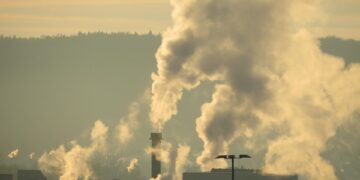
Another daily habit that is harming the planet is our reliance on fossil fuels for transportation. Cars, trucks, and airplanes are major sources of carbon emissions, contributing to global warming and air pollution. By choosing to walk, bike, or use public transportation instead of driving alone, we can reduce our carbon footprint and help combat climate change.
Additionally, electric vehicles are becoming increasingly popular as a more sustainable alternative to traditional gasoline-powered cars. By investing in electric vehicles and supporting renewable energy sources, we can reduce our reliance on fossil fuels and help protect the planet for future generations.
Plastic Pollution and Waste Management
Our daily habits also contribute to the problem of plastic pollution, which is a major threat to marine life and ecosystems. Single-use plastics, such as plastic bags, bottles, and straws, are clogging our oceans and harming wildlife. By reducing our use of single-use plastics and opting for reusable alternatives, we can help reduce plastic pollution and protect the environment.
In addition to plastic pollution, our waste management practices also have a significant impact on the planet. Landfills emit methane gas, a potent greenhouse gas that contributes to climate change. By reducing our waste generation, recycling, and composting, we can help minimize our impact on the environment and move towards a more sustainable future.
Conclusion
Our daily habits have a profound impact on the health of the planet. By making simple changes to our lifestyle choices, such as adopting a plant-based diet, using alternative modes of transportation, reducing our plastic consumption, and improving our waste management practices, we can help mitigate the effects of climate change and protect the environment for future generations.